Blog
11/06/2014
INDUSTRY BLOG
Evaluating U.S. Conveyor Equipment Manufacturers: Cost, Compliance, Quality
07/11/2026
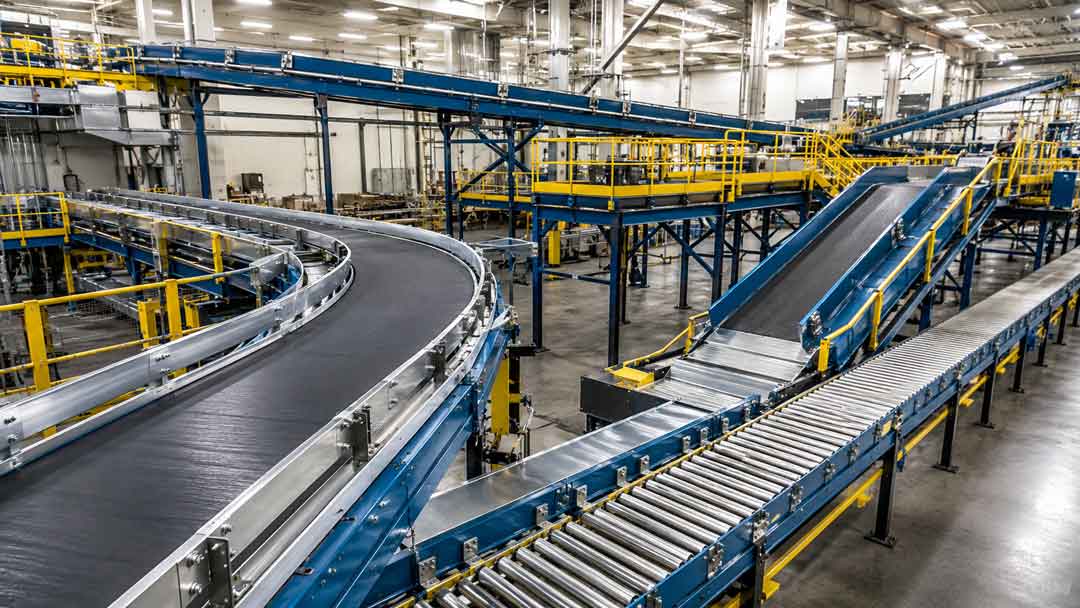
Finding the right conveyor equipment manufacturer in the United States means looking past sticker price to real value across your production line. As you evaluate options for Packaging Equipment, Rotary Equipment, Liquid Filling Equipment, and Capper Machine systems, the review should focus on three factors: upfront cost control, ongoing maintenance requirements, and long-term system uptime.
A successful system integration should support sanitation requirements commonly associated with FDA- and USDA-regulated production environments without sacrificing the custom fit or cleaning access requirements of the facility. In addition, stainless steel construction and UL-certified components provide clear indicators of build quality for regulated manufacturing operations.
Safety features should function as part of the overall equipment design because enclosed frames and smooth-contour construction support operational consistency and maintenance accessibility. In the same way, a history of successful installations often provides valuable insight into long-term equipment performance beyond specification sheets alone.
When evaluating both startup and long-term costs, manufacturers can focus on total lifecycle value rather than initial purchase price alone.
Assessing Initial and Long-Term Costs
Comparing early buy-in numbers for conveyor systems, manufacturers should evaluate both upfront investment and ongoing operating expenses. Industry research by Modern Materials Handling notes system prices in the U.S. often vary significantly depending on size, load requirements, and control configurations.
Startup costs may appear similar across suppliers at first glance. However, long-term operating expenses can exceed initial purchase costs, particularly when maintenance requirements and downtime are not considered during the evaluation process.
These costs often include energy consumption, production changeovers, replacement parts, and technical support. Downtime costs can vary significantly based on production volume, making maintenance planning, component quality, and service support important factors in total ownership cost.
Beyond equipment pricing, we recommend evaluating certifications, maintenance programs, and service accessibility. We also recommend reviewing a clear breakdown of labor, consumables, and support costs. This is why our conveyor systems for packaging facilities are designed to support long-term operational efficiency.
Checking Material and Build Standards
Material quality and build standards play a big role in how well conveyor systems perform and how long they last. When manufacturers evaluate these factors, they help ensure Packaging Equipment supports uptime, compliance goals, and daily production requirements.
- Engineering Standards Compliance: Each conveyor should be designed to meet applicable engineering and regulatory standards for its intended use. Compliance with UL, GMP, or FDA-related requirements can support operational consistency and inspection readiness.
- Stainless Steel and Build Material: Stainless steel and sanitary-grade materials help support cleaning procedures and sanitation requirements. For food, pharmaceutical, and cosmetic operations, material selection remains an important part of maintaining product integrity across production shifts.
- Welds, Joints, and Surface Quality: Frames and joints should be evaluated carefully to minimize areas where residue may accumulate. Smooth surfaces and quality fabrication support cleaning efficiency and routine maintenance procedures.
- Modular and Customizable Design: Systems built with modular sections support future upgrades and integration with existing production lines. The ability to add, replace, or adjust components provides flexibility as production requirements evolve.
Reviewing Safety and Regulatory Certifications
Checking materials and build quality naturally leads to reviewing the certifications that support the safety and regulatory suitability of Conveyor Systems. Certifications and approvals help verify that equipment has been evaluated against established standards.
- UL and Nationally Recognized Standards: UL-certified components and compliance with Nationally Recognized Testing Laboratory (NRTL) requirements demonstrate that key equipment components have been evaluated for electrical, fire, and mechanical safety considerations.
- Food and Pharma Compliance Documentation: For Packaging Equipment used in food, beverage, or pharmaceutical production, manufacturers should review documentation supporting sanitary design principles commonly associated with FDA, USDA, and GMP-regulated environments. These design features can support sanitation procedures, traceability programs, and audit preparation.
- Engineering and Modular Safety Credentials: Independent engineering reviews and modular design certifications demonstrate that systems support long-term operational flexibility, easier upgrades, maintenance accessibility, and operator safety considerations.
Comparing Customization Options for Packaging
The ability to customize Packaging Equipment influences everything from product handling requirements to facility layout efficiency. Purpose-built packaging solutions provide design flexibility that supports product-specific production goals.
Packaging systems may include moisture barriers, protective coatings, or HMI controls that reduce manual handling requirements and support sanitation procedures. Manufacturers may also select specialized containers, films, and coatings to address industry-specific requirements.
In addition, flexible options such as flat cartons can reduce storage space requirements compared to pre-glued alternatives. Custom Packaging Equipment can also support more efficient installation and changeover activities on the production floor.
Many manufacturers continue to adopt customized packaging solutions to support operational efficiency, production flexibility, and sanitation objectives. Each system should be designed around the facility’s production requirements, compliance objectives, and throughput goals.
Investigating Track Record and Client Feedback
Reviewing a manufacturer’s track record provides insight into real-world equipment performance. Industry growth within the U.S. conveyor equipment sector continues to reflect strong demand across manufacturing, warehousing, and distribution operations.
The Midwest remains home to a large percentage of domestic conveyor equipment manufacturers, making client experiences from that region particularly useful when evaluating equipment suppliers.
Valuable insights often come from production managers with hands-on experience using Packaging Equipment, Rotary Equipment, or a Capper Machine. Their experiences can help identify trends related to installation timelines, equipment reliability, and production flexibility.
For example, manufacturers often evaluate feedback regarding installation efficiency, delivery performance, and facility-specific customization. Client experiences can also reveal how Conveyor Systems and Liquid Filling Equipment perform during changeovers and within regulated production environments.
Careful review of real-world feedback can provide valuable information that extends beyond technical specifications and marketing materials.
Evaluating conveyor equipment manufacturers requires a balanced review of the factors that influence long-term production performance. A complete evaluation should consider lifecycle cost, operational consistency, compliance objectives, and overall system value.
GLOBALTEK® Conveyor Systems, Capper Machine solutions, Rotary Equipment, and Packaging Equipment incorporate UL-certified components and sanitary design principles commonly used in FDA- and USDA-regulated production environments. In addition, choosing a Made in the USA equipment partner can support supply chain consistency and service accessibility.
Our stainless steel construction, integration-ready controls, and modular equipment designs support daily production requirements across a wide range of industries. We custom-build every Conveyor System to match facility layouts, product specifications, and throughput objectives.
This approach supports facility-specific integration, efficient changeovers, and simplified maintenance procedures. GLOBALTEK® packaging and conveyor solutions are designed for regulated manufacturing environments where compliance, uptime, and operational consistency remain priorities.
Our engineering team focuses on supporting compliance objectives, production efficiency, and product consistency through integrated system design. For manufacturers seeking durable, compliant, and scalable Conveyor Systems, GLOBALTEK® delivers made-in-the-USA solutions engineered for long-term performance.
Comparing Single-Head versus Multi-Head Liquid Filling Equipment for Capacity Trade-Off
07/10/2026
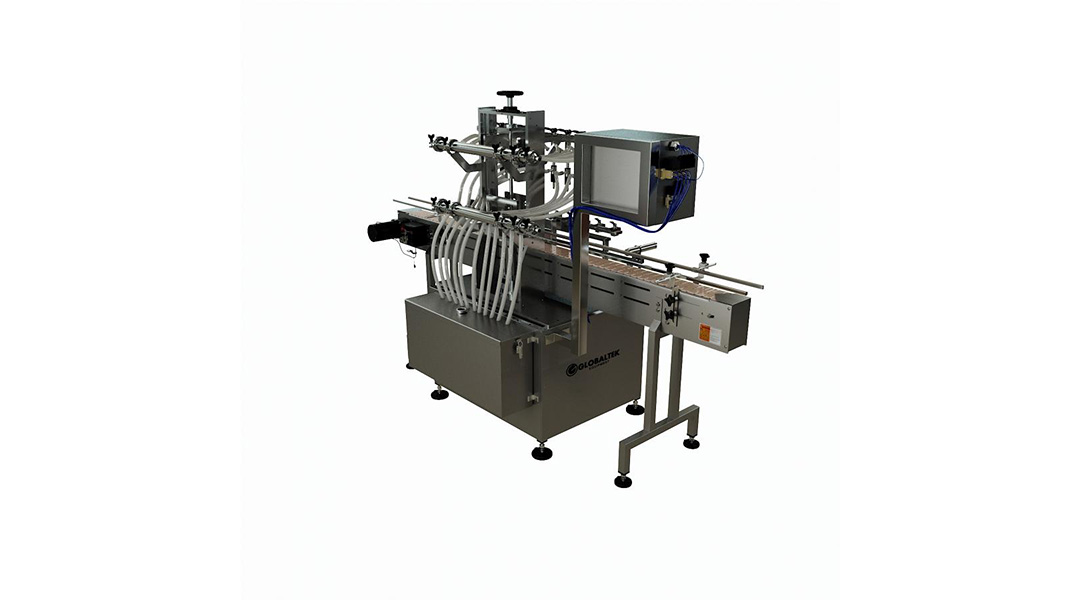
Picking between single-head and multi-head Liquid Filling Equipment shapes the size, speed, and flexibility of a production line. Multi-head fillers handle multiple containers at once for higher output when demand increases or during peak seasons.
Meanwhile, single-head machines suit small runs or niche products where fast changeovers matter. As automation grows in Packaging Equipment lines across food, cosmetics, pharmaceuticals, and supplements, we balance output with floor space more carefully than ever.
A practical layout matters because limited space affects many facilities, upgrading Conveyor Systems to support regulated production requirements in the United States. In turn, long-term cost control depends on matching cost per unit with the right system configuration.
However, service cycles can affect those gains without proper timing and clear cleaning steps built into each station. We evaluate labor-saving options that reduce manual adjustments while supporting product mixes such as thick creams or foaming liquids on integrated Rotary Equipment.
Our next section shows how multi-head fillers support output and help growing brands maintain steady runs batch after batch.
Maximizing Output with Multi-Head Fillers
Maximizing output with multi-head fillers means every production hour counts. In busy plants, upgrading to multi-head fillers can help manage changing batch sizes with a more controlled production flow.
These machines fill multiple containers at once, making them useful for food, cosmetic, pharmaceutical, and nutraceutical applications. The main operational advantage appears on the line, where parallel filling stations help increase throughput compared with single-head operation.
As a result, there is less manual handling, so variation can decrease and product consistency can improve. This supports regulated production environments where repeatable filling, sanitation access, and process control matter.
Industry demand for faster filling systems continues to grow as producers expand ready-to-ship formats and high-volume product lines. Multi-head systems can support these production needs when floor space, container size, and downstream equipment are planned correctly.
In particular, our customers in regulated industries use these machines to support scalable production. For reliable liquid filling equipment for packaging, we help align output goals with system design, sanitation requirements, and integration needs.
Reducing Downtime for Consistent Packaging
Reducing downtime is important for any facility that requires steady packaging on every shift. The right Liquid Filling Equipment can support smoother line operation and more consistent production schedules.
- Fast Changeover Features: Switching between product types or container sizes should be planned around accessible adjustments and practical setup procedures. Machines with tool-free changeover features allow operators to adjust fill heads and settings more efficiently, reducing idle time. In regulated environments such as food or pharmaceutical production, this helps maintain output when more than one SKU runs in one day.
- Operator-Visible System Controls: Clear control interfaces and standard machine indicators help operators review fill settings, line status, and routine setup requirements. This supports faster response during normal production checks without relying on unlisted analytics or predictive features. Multi-head fillers benefit from clear controls because multiple filling stations must remain coordinated across the line.
- Clean-In-Place Compatibility: Clean-in-place compatibility supports faster cleaning of product-contact areas without full machine teardown when the system is designed for that process. This can reduce manual cleaning steps and support faster preparation for the next batch. Proper CIP planning also helps facilities maintain sanitation procedures across high-speed production environments.
Space Planning in Your Production Line
Space on the production floor shapes each choice made about new equipment, especially when comparing single-head versus multi-head liquid filling options. With proper planning, we can support line speed, product flow, and future growth.
- Footprint Optimization: Making the most of limited space depends on how well the filling machine aligns with Conveyor Systems and Packaging Equipment. A single-head filler may require less floor space, while a multi-head setup usually requires a larger area to support multiple filling stations and product movement.
- Pathways for Operators: Facilities need enough room for operators to move safely between filling stations, Capper Machine systems, and other connected equipment. Clear walkways support smoother operation, routine checks, sanitation procedures, and maintenance access.
- Modular Layout Opportunities: Modular Packaging Equipment and Conveyor Systems allow production layouts to adjust when volume increases or product requirements change. A flexible setup supports upgrades with less need for full layout reconstruction.
Cost Efficiency for Long-Term Scaling
Single-head Liquid Filling Equipment often appeals to smaller operations looking for a lower upfront investment. Manual or semi-automatic machines can also keep maintenance simple because they include fewer components than larger multi-head systems.
Output for single-head models works well for short runs, pilot products, or specialty batches. That makes them useful for testing new formulas, supporting limited SKUs, or managing production where flexibility is more important than high volume.
When daily demand increases, labor requirements can rise because each extra container requires more operator involvement. Multi-head Liquid Filling Equipment, on the other hand, carries a higher upfront investment because it includes larger frames, additional filling stations, and more integrated controls.
That investment supports more consistent high-volume production when the line is properly designed. Multi-head systems can reduce manual effort per container by filling several units at once and aligning more efficiently with Conveyor Systems, Capper Machine solutions, and downstream Packaging Equipment.
Over time, the right automation level can help stabilize production costs as volume grows, making the capacity trade-off easier to evaluate against throughput, staffing, and floorplan requirements.
Adapting to Diverse Liquid Types
Long-term cost control may shape the choice between a single-head or multi-head Liquid Filling Equipment solution, but product flexibility also matters. The machine must handle creams, thin emulsions, lotions, or products with particulates, which affects daily output and changeover planning.
- Single-Head Product Control: Single-head machines often provide more controlled operation for high-viscosity creams, making them a common option for small-batch or specialty lines.
- Multi-Head High-Volume Filling: Multi-head systems work well for stable, free-flowing liquids where higher containers-per-minute output is a priority.
- Nozzle Selection: Nozzle style makes a major difference. Piston or peristaltic designs can support delicate emulsions, while drip-control nozzles help manage thin liquids.
- Sanitary Contact Surfaces: Stainless steel contact surfaces, such as 316L or 304, support cleaning procedures and are commonly used in regulated environments that follow USDA, FDA, or ISO 22716-related sanitation expectations.
- Service Access: Maintenance remains more efficient when components are accessible, and service procedures are clear, so our support focuses on helping facilities keep Liquid Filling Equipment operating consistently.
Our team designs GLOBALTEK® Liquid Filling Equipment to match production needs, whether the priority is flexibility or higher output. Each system is built with stainless steel construction, UL-certified components, and Made in the USA manufacturing.
When GLOBALTEK® Packaging Equipment is integrated with Conveyor Systems, Capper Machine solutions, and Rotary Equipment, facilities can support smoother flow, accessible maintenance, and practical changeovers. This helps production lines adapt to new products, formats, or regulated operating requirements.
We work closely with facility teams to determine the right setup for existing floor plans and capacity goals. No matter which capacity trade-off fits the application, GLOBALTEK® focuses on precision engineering, durable construction, and long-term system integration.
To learn more about GLOBALTEK® liquid filling solutions, visit: https://www.globaltekconveyors.com/packaging-equipment/globaltek-fill-it-in-line-automatic-pressure-overflow-filler/
Benchmarking Sanitary Liquid Filling Equipment for Compliance
06/23/2026
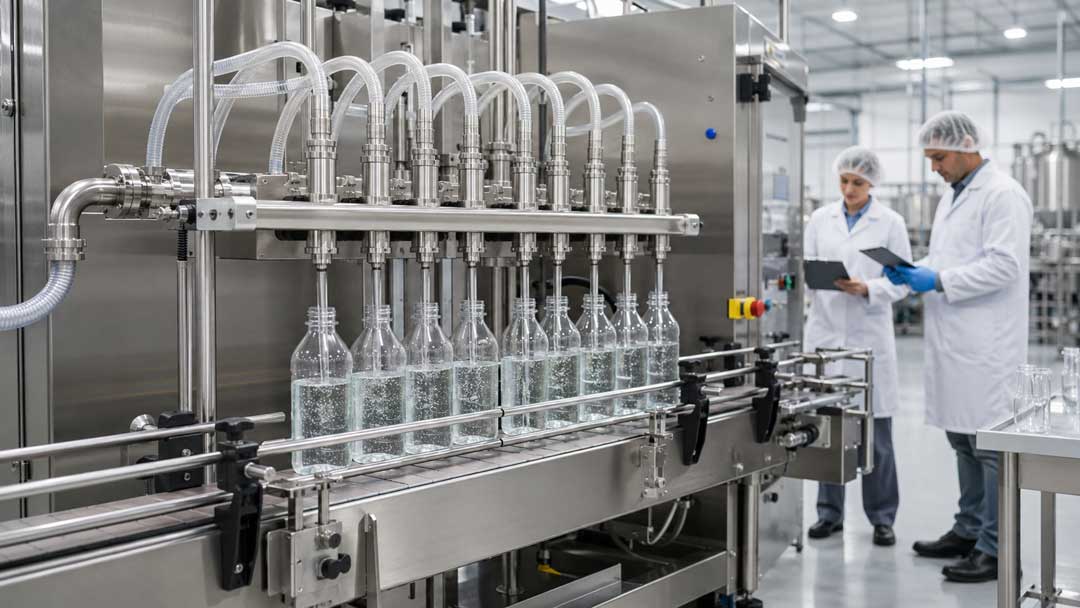
Benchmarking sanitary liquid filling equipment for compliance starts with evaluating how each stage of the process aligns with established industry requirements. Manufacturers in food, pharmaceutical, cosmetic, and nutraceutical sectors operate under standards that influence material selection, equipment construction, and production procedures.
Reliable liquid filling equipment for packaging must support both production efficiency and sanitary operation while allowing straightforward cleaning access. Stainless steel construction supports corrosion resistance and helps maintain clean processing conditions across Conveyor Systems and Rotary Equipment used in regulated facilities.
Routine evaluations focus on accessible surfaces, controlled product flow, and efficient changeovers during multi-batch production. GLOBALTEK® systems are built in the United States with UL-certified components and integration-ready designs developed to align with facility layouts and production requirements.
Benchmarking begins with understanding the compliance expectations that shape sanitary Packaging Equipment design and operation.
Assess Regulatory Compliance Standards
Proper benchmarking of sanitary liquid filling equipment for compliance starts with a clear understanding of current sanitary design requirements. Staying aligned with established guidelines supports consistent evaluation standards for both Packaging Equipment and liquid filling equipment.
- Adherence to Recognized Standards: Standards from organizations such as 3-A Sanitary Standards, EHEDG, FDA, and ISO/EN establish design expectations for food-contact equipment. These guidelines focus on cleanability, material compatibility, accessible surfaces, and construction that minimizes product retention areas.
- Sector-Specific Guidelines: Compliance expectations differ between food, pharmaceutical, cosmetic, and nutraceutical applications. Benchmarking procedures should align with the operational and sanitation requirements specific to each industry.
- Structured Assessment Methods: Checklists and risk-based evaluation methods help convert broad compliance requirements into measurable production-floor practices. These processes support consistent equipment reviews across Liquid Filling Equipment and related Packaging Equipment systems.
Clear regulatory alignment creates a more reliable benchmark for evaluating sanitary system performance across production environments.
Evaluate Equipment Sanitary Design
Moving from regulatory standards, equipment design directly affects sanitation efficiency, maintenance access, and compliance consistency. Proper sanitary construction supports controlled operation across regulated production lines.
- Material Selection and Surface Finish: Stainless steel construction supports durability and corrosion resistance in sanitary environments. Smooth surface finishes help reduce product accumulation and simplify routine cleaning procedures.
- Tool-Free Disassembly and Drainable Construction: Equipment designed for accessible disassembly supports faster cleaning and inspection procedures during changeovers. Drainable layouts help reduce residual product retention after washdown cycles.
- Inspection and Cleaning Accessibility: Clear access to filling zones, panels, and product-contact areas supports routine inspection and sanitation. Integrated cleaning access points simplify maintenance and help maintain consistent operational conditions.
Sanitary design benchmarking should prioritize maintainability, accessibility, and long-term operational consistency rather than focusing only on throughput.
Prioritize Material Selection Criteria
Material selection plays a central role in sanitary Packaging Equipment performance. Proper materials support durability, cleanability, and compatibility across different liquid applications.
- Chemical Compatibility: Product-contact components should align with the chemical characteristics of the materials being filled to support long-term equipment performance.
- Corrosion Resistance: Stainless steel and corrosion-resistant alloys help maintain equipment integrity in environments involving acidic products, cleaning chemicals, or frequent washdowns.
- Cleanability: Smooth, non-porous surfaces simplify sanitation procedures and help reduce residue accumulation throughout the production line.
- Pressure Tolerance: Components should withstand operational pressures associated with filling, conveying, and downstream processing without compromising stability.
- Product Flexibility: Material selection should support compatibility across multiple product categories, including oils, syrups, lotions, and similar liquid applications.
Careful material selection supports repeatable sanitation performance and long-term Packaging Equipment reliability.
Ensure Effective Cleaning Protocols
Strong sanitation procedures are essential for maintaining compliance across regulated production environments. Cleaning methods should align with both equipment design and operational requirements.
- Scheduled Cleaning Procedures: Structured sanitation schedules support consistent maintenance across food, pharmaceutical, and cosmetic production lines. Documented procedures help maintain operational consistency during audits and inspections.
- Application-Specific Cleaning Tools: Cleaning tools and materials should align with the surface type and product residue involved in the process. Proper tool selection supports effective sanitation while protecting equipment surfaces.
- Cleaning Verification Processes: Routine verification procedures help confirm that sanitation protocols are completed consistently across production cycles. Surface inspections and documented cleaning records support compliance readiness.
Cleaning procedures should remain practical, repeatable, and aligned with the operational requirements of the facility.
Verify Equipment Certification Status
Verifying equipment certification status supports regulatory alignment and operational consistency across sanitary filling lines.
- Documentation Review: Equipment records should include UL certification documentation and any applicable regulatory approvals required for the production environment.
- Certification Tracking: Maintaining organized certification records supports audit preparation and helps facilities monitor renewal or inspection timelines.
- Manufacturer Verification: Confirming equipment specifications and certification details directly with manufacturers supports accurate compliance documentation and operational transparency.
Certification reviews help ensure that Packaging Equipment aligns with facility standards and documented operational requirements.
Analyze Performance Validation Methods
Performance validation helps confirm that sanitary filling systems maintain stable operation under real production conditions. Validation procedures should measure consistency across multiple production variables.
- Production-Floor Testing: Validation should reflect actual operating conditions, including product viscosity, line speed, and container variations encountered during production.
- Variability Management: Equipment evaluations should assess how systems respond to routine operational changes such as product transitions or production speed adjustments.
- Long-Term Consistency: Validation should extend across full production runs to evaluate repeatability over time rather than isolated cycles.
- Integrated System Evaluation: Performance reviews should include Liquid Filling Equipment, Conveyor Systems, Rotary Equipment, and downstream Packaging Equipment interactions.
- Planned Data Collection: Structured production data reviews support operational consistency and help identify areas requiring adjustment or refinement.
Performance validation supports stable operation while helping maintain sanitary compliance throughout the packaging line.
Implement Continuous Compliance Monitoring
Continuous compliance monitoring supports long-term operational consistency across sanitary filling environments. Monitoring procedures should focus on maintaining accurate records and consistent sanitation practices throughout production.
Structured digital recordkeeping supports organized tracking of cleaning procedures, maintenance schedules, and production activities across Liquid Filling Equipment, Conveyor Systems, and Capper Machine operations.
Accessible production records simplify internal reviews and support compliance preparation during inspections or audits. Consistent documentation also helps production teams maintain alignment across shifts and product runs.
Modern monitoring interfaces simplify sanitation tracking and maintenance scheduling without adding unnecessary operational complexity. Organized systems support routine oversight of Rotary Equipment and related Packaging Equipment components during production.
When monitoring procedures are integrated into daily workflows, facilities can maintain more consistent operational conditions across filling, capping, and conveying systems.
Benchmarking sanitary liquid filling systems establishes a foundation for controlled production and regulatory alignment. Equipment designed for sanitary operation supports stable output while helping facilities maintain documented compliance procedures across regulated industries.
At GLOBALTEK®, we design Packaging Equipment with stainless steel construction, UL-certified components, and integration-ready layouts that support sanitary production environments. Our Liquid Filling Equipment systems are built for efficient washdown procedures, accessible maintenance, and compatibility with Conveyor Systems and Capper Machine operations.
Rotary Equipment and integrated conveying solutions support multiple container sizes, production speeds, and product categories while maintaining operational consistency across production runs.
Our engineering team works directly with facility layouts, throughput targets, and operational requirements to develop Packaging Equipment solutions aligned with real production conditions. By focusing on sanitary construction, system integration, and maintainability, GLOBALTEK® supports long-term operational performance across food, pharmaceutical, cosmetic, and nutraceutical applications.
To learn more about GLOBALTEK® sanitary liquid filling solutions, visit:
https://www.globaltekconveyors.com/packaging-equipment/globaltek-fill-it-in-line-automatic-pressure-overflow-filler/
Curved Belt Conveyor ROI: Benchmarking Integration Success
04/23/2026
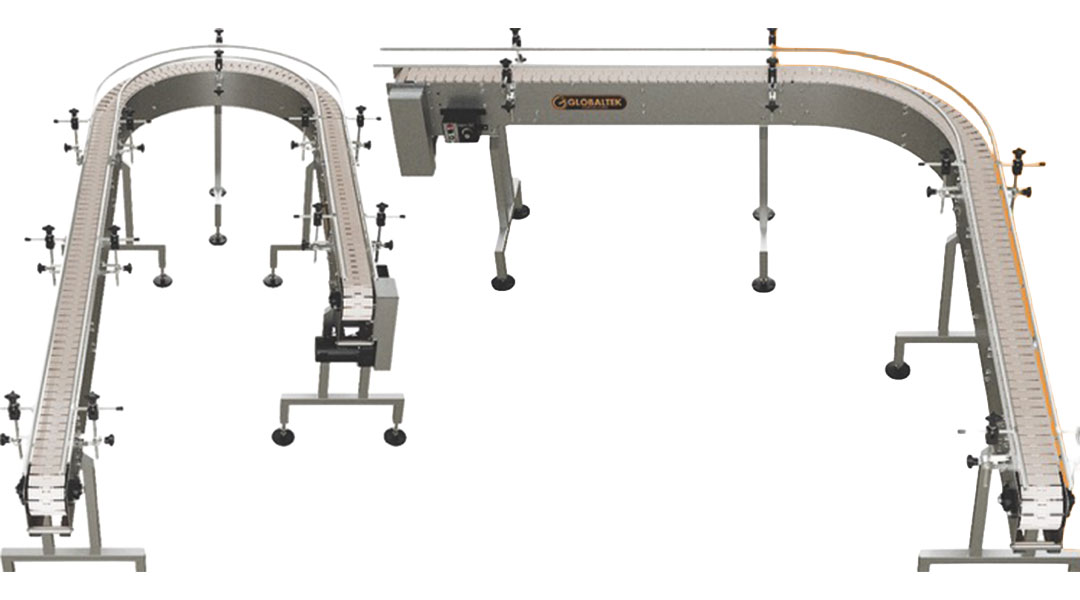
Curved belt conveyor systems in the USA offer a clear path to higher output. Many sites rely on these conveyors for tight space fit. They handle hard floorplans where straight-line movement isn't possible.
However, you need data to track how well new curved belt conveyor setups give you real value over time. Standard benchmarks focus on flow and uptime, but you should look deeper into full ROI math across your whole line.
Steady gains in speed, space use, and compliance can add up to clear savings for regulated fields like food or pharmaceuticals. To start with strong ROI benchmarking, sizing capex and opex for curved belt conveyor projects is key.
Assessing Capital and Operational Costs
Assessing up-front and running costs is vital for any curved belt conveyor systems in the USA integration. The first up-front cost for install may seem large, often between $15,000 and $85,000, based on load size and layout.
However, many makers see long-term value when they invest in UL-certified, stainless steel builds that cut swap-out needs. Are you factoring in power use, belt swaps, and lube plans in your year-one budget plan?
The gap in running costs can hit 18% between old conveyors and new GLOBALTEK® models tuned for non-stop flow. In addition, you can also save on labor when your systems link with fillers and rotary gear on the same line.
A key point is how better wash-down features cut your cleaning labor and down time costs. The result is repeat running savings that back both performance and compliance.
Evaluating Labor Savings and Efficiency Gains
Labor savings and efficiency gains are two of the main factors driving curved belt conveyor ROI within automation. Careful benchmarking shows how these conveyor systems can cut repeat tasks and free up skilled operators.
- Streamlining Manual Handling: Adding curved belt conveyors will cut the need for you and your team to manually sort, push, or reposition product loads. This cuts fatigue and repeat strain, so you can focus on work that needs care and skill.
- Increasing Throughput Consistency: Products move smoothly and at set speeds, keeping steady output rates through each shift without bottlenecks or slowdowns. By keeping your line moving, curved conveyors support higher total volumes and faster order fulfillment.
- Reducing Staff Requirements Per Shift: With material handling automated by these conveyor systems, fewer people are required to keep each production area running during day-to-day use. This frees you up for other jobs and cuts overtime costs, offering clear labor savings over each month.
Analyzing Maintenance and Downtime Impacts
Maintenance and unplanned downtime directly affect production speed and long-term system value in curved belt conveyor projects. By looking into the most common downtime causes, you can find ways to boost both uptime and system ROI.
- Identifying Downtime Drivers: Studies by Guidewheel Performance Analysis show electrical and controls issues cause 92.9% of conveyor downtime in household goods sectors. A single event can stop work for over four hours, showing the need for strong part health checks.
- Cleaning and Changeovers: In food and beverage packaging, median conveyor runtime drops to 36.1% due to needed cleaning and frequent changeovers. These pauses are planned but still cut total output, showing the value of conveyors made for faster, tool-less upkeep.
- Tracking Micro-Stops: Micro-stops lasting less than two minutes often slip past your manual logs but lower overall equipment effectiveness (OEE) if you don't manage them. Auto tracking helps you react faster with your maintenance teams, cutting total losses and helping you run smoother shifts.
Selecting the right curved belt conveyor will shape your line's ROI. Our GLOBALTEK® team has helped you and teams nationwide see faster setup and smoother product flow. Quick install and UL-certified design boost uptime and keep output high. Each conveyor is built in the United States for long-term use, easy cleaning, and a fit to your layout. As a result, you can cut bottlenecks and meet FDA and USDA rules with less labor. Our integration benchmarks show your new layouts can save as much as 30% in floor space. Systems like these give you more output with fewer manual steps. GLOBALTEK® packaging gear comes made to your specs, so your conveyors link with fillers, cappers, and rotary gear. This way, you get steady product flow and faster changeovers. Teams using our gear report fewer stops and longer service gaps, protecting both yield and what you invest. Reach out to see how GLOBALTEK® integration helps your facility meet strict needs while giving you long-term value.
Critical Overflow Filling Risks Facing Manufacturers in 2026
03/28/2026
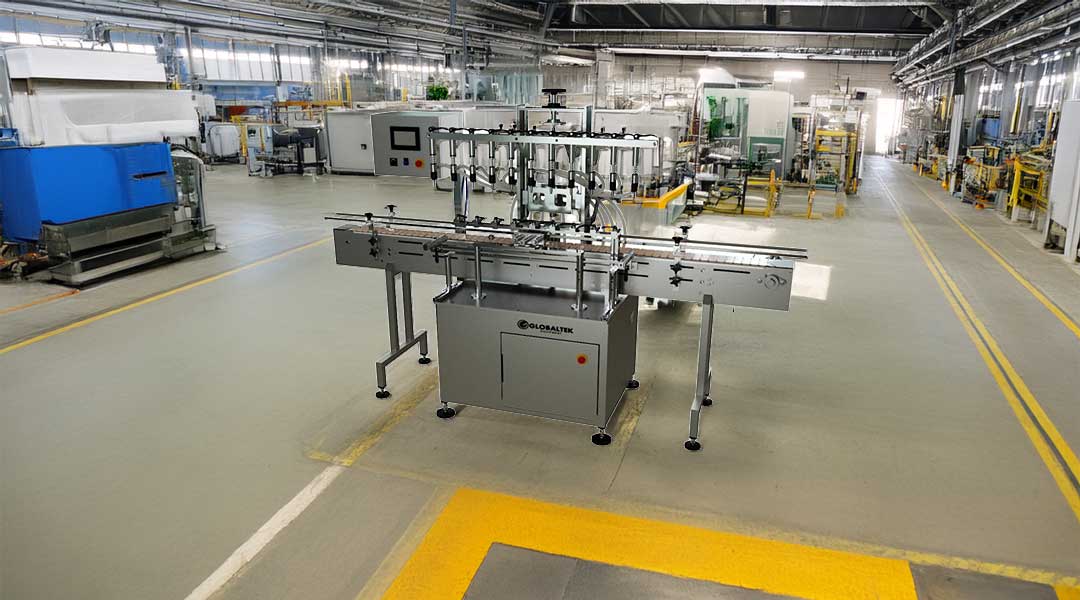
Overflow filling introduces operational considerations for manufacturers using liquid packaging systems. Initial investment remains a major factor when planning new high-speed lines, especially as material and automation costs continue to evolve.
You also need to plan maintenance intervals that support uptime while keeping production schedules consistent. Regulatory expectations across FDA- and USDA-regulated industries require structured processes throughout filling, capping, and conveyor operations.
Older rotary tables or capper machines may require adjustment when integrating new systems into existing floor plans with limited space. This makes early planning essential when aligning new equipment with legacy layouts.
As a result, alignment between fillers, conveyors, and product characteristics plays a key role in maintaining consistent output and minimizing variation across production runs. Equipment upgrades also require careful planning so new components integrate smoothly with existing systems.
At the same time, efficiency and waste reduction remain central considerations as facilities continue to refine production strategies. Initial investment remains a key factor when evaluating automated packaging systems.
High Initial Capital Expenditure
The cost to invest in new overflow filling lines continues to influence equipment selection decisions. Manufacturers are evaluating how Packaging Equipment and automation align with production goals in 2026.
It can be challenging to balance equipment requirements with long-term output planning. Investment decisions often depend on how well systems integrate with current operations and support consistent performance over time.
For liquid filling operations, the cost of implementing advanced liquid filling equipment for packaging is a factor that must be evaluated alongside throughput, maintenance, and system compatibility. Equipment must not only perform but also fit within space, labor, and operational constraints.
Capital planning also involves understanding how each system contributes to long-term efficiency. When equipment aligns with production needs from the start, it reduces the need for frequent adjustments or costly reconfiguration later.
Maintenance and Downtime Challenges
Maintaining high-output packaging systems requires structured service planning and consistent upkeep. Complex production lines increase the importance of coordination between Liquid Filling Equipment, Conveyor Systems, and Rotary Equipment.
Rising System Complexity: Integrating multiple systems increases the importance of alignment across components. Small inconsistencies can affect overall line performance if not addressed early, especially when multiple machines rely on synchronized movement.
Spare Part Coordination: Replacement parts must be readily available to support maintenance schedules and minimize interruptions during operation. Delays in part replacement can extend downtime and affect production continuity.
Technical Skill Requirements: Maintenance teams benefit from familiarity with system configurations to support efficient troubleshooting and repair. Proper training ensures that small issues are corrected before they impact larger sections of the line.
Consistent maintenance planning supports predictable uptime and helps extend the usable life of key components across the packaging line.
Regulatory Compliance and Safety Considerations
Regulatory requirements across the United States continue to shape how manufacturers operate packaging lines. Facilities using liquid filling systems and conveyors must align processes with established guidelines.
FDA Compliance Requirements: Regulatory frameworks require consistent process control across production stages, including filling, labeling, and packaging. Clear procedures support repeatable outcomes.
Operational Consistency: Maintaining documented procedures supports audit readiness and ensures that production steps remain uniform across shifts and product runs.
Standard Alignment: Coordination between federal and state-level expectations reinforces the need for stable production practices and consistent equipment performance.
GLOBALTEK® systems are designed to support compliance through cleanable surfaces, consistent construction, and integration-ready layouts that align with regulated environments.
Integration with Existing Systems
Integration with existing systems remains essential for maintaining consistent operation across packaging lines. Proper alignment between Packaging Equipment, Conveyor Systems, and Liquid Filling Equipment supports predictable performance.
System Compatibility: Equipment must align mechanically and operationally with existing conveyors and downstream systems such as Capper Machine and Rotary Equipment setups. This ensures smooth product transfer.
Process Coordination: Consistent timing and product movement between systems help maintain a steady flow. When each component works in sync, the line operates more efficiently.
Scalable Design: Modular system design supports adjustments as production requirements evolve without requiring full system replacement. This allows facilities to expand without disrupting current operations.
Well-planned integration reduces friction between systems and supports steady production across all stages.
Product Compatibility and Quality Control
Product characteristics influence how an overflow filling machine performs across different applications. Maintaining compatibility between product, container, and equipment supports consistent results.
Material Consistency: Variations in container materials or closures can affect flow behavior and fill performance. Stable materials support predictable operation.
Cross-Compatibility Considerations: Switching between packaging formats requires proper adjustment of Conveyor Systems and Capper Machine alignment. This helps maintain consistency across product lines.
Process Stability: Consistent setup and cleaning routines support repeatable fill performance across production runs. Stability reduces variation between batches.
Verification Procedures: Routine checks during changeovers help maintain consistent output and reduce variation before full production resumes.
Maintaining compatibility across materials and systems supports consistent quality across all packaged products.
Technological Obsolescence and Upgrades
Equipment lifecycle planning is an ongoing consideration for manufacturers operating overflow filling systems. As production requirements evolve, systems must remain adaptable.
Equipment Lifecycle Management: Packaging systems require periodic evaluation to ensure alignment with current production needs and performance expectations.
Upgrade Planning: Equipment upgrades should integrate with existing systems without disrupting established workflows. Planning ahead supports smoother transitions.
Operational Continuity: Maintaining compatibility between legacy and newer equipment supports stable long-term performance and avoids unnecessary downtime.
Careful upgrade planning ensures that new systems enhance performance without introducing disruption.
Environmental and Sustainability Considerations
Efficiency and resource management remain important factors in modern packaging operations.
Water Usage: Cleaning and changeover processes require controlled water use to support efficient operation and reduce unnecessary consumption.
Waste Management: Proper system setup helps reduce excess product loss and supports material efficiency across production runs.
Packaging Efficiency: Consistent filling reduces rejected containers and supports responsible material use throughout the process.
These considerations support operational efficiency while maintaining production consistency.
Addressing overflow filling considerations in 2026 requires a structured approach focused on system alignment and operational consistency. These factors influence product quality, throughput, and long-term equipment performance.
In regulated environments, maintaining consistent processes across filling, conveying, and capping supports stable production outcomes. When each system is aligned, the entire packaging line operates with greater predictability.
At GLOBALTEK®, we design Packaging Equipment and Conveyor Systems to support integrated operation across the full production line. Our stainless steel Liquid Filling Equipment and overflow filling systems are built to maintain consistent fill performance while supporting efficient material handling.
Each system is UL-certified and designed for practical integration into existing floor plans. We align Conveyor Systems and Rotary Equipment with your layout, product characteristics, and throughput goals to support steady operation.
GLOBALTEK® solutions are engineered for long-term performance across regulated industries. By focusing on integration, durability, and operational consistency, manufacturers can maintain steady output while adapting to evolving production demands.
To learn more about GLOBALTEK® overflow filling solutions, visit: https://www.globaltekconveyors.com/packaging-equipment/globaltek-fill-it-in-line-automatic-pressure-overflow-filler/
Overflow Filling Machine vs Piston Filling
03/27/2026
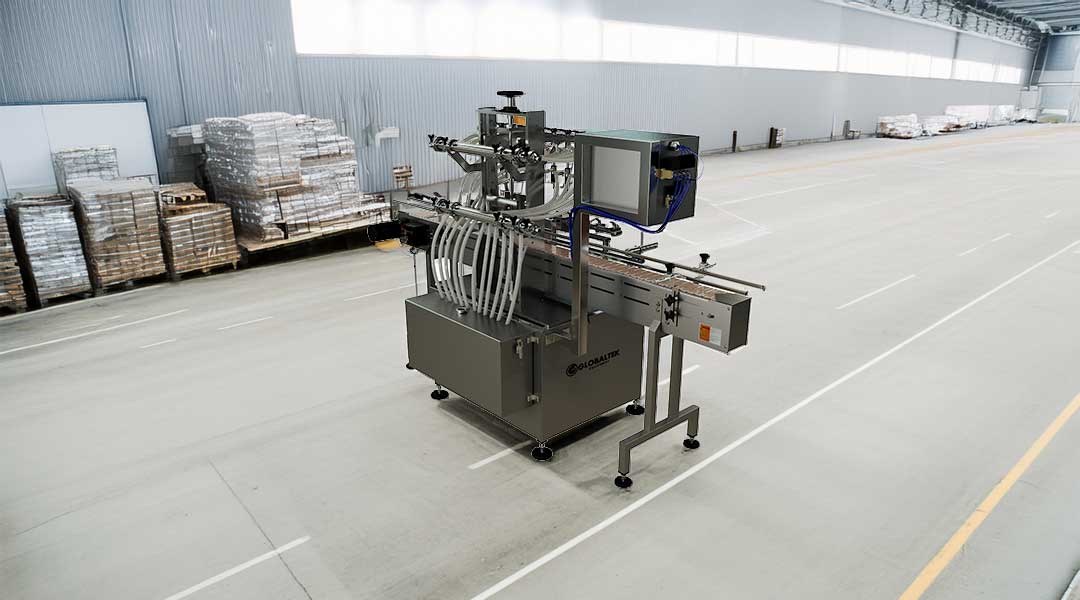
Selecting the right liquid filling equipment shapes your production line’s consistency and workflow. Accurate dosing, container flexibility, and meeting regulatory requirements all depend on whether you use overflow or piston-based machines. Our team works with food brands bottling oils as well as pharmaceutical companies packaging syrups, and we help you choose a filler that fits each product type.
Overflow fillers create visual consistency at set fill heights in clear containers. By contrast, piston filling supports steady volume control for thicker creams or gels. Routine cleaning, part wear, and speed influence long-term maintenance for both systems across different facilities.
Through careful alignment with Conveyor Systems and Capper Machine integration, we help scale production lines with controlled material handling and predictable output. As a result, how well each machine style handles viscosity often becomes an early deciding factor in regulated manufacturing environments.
Viscosity Handling: Thick vs. Thin Liquids
Viscosity is a key factor in filling liquid products, and it influences which liquid filling equipment for packaging is most appropriate. Clear differences appear in how overflow and piston filling machines manage varying product consistencies.
Thick Liquids: Piston fillers handle thicker products such as creams, gels, sauces, oils, and similar materials through controlled displacement within a chamber system.
Thin Liquids: An overflow filling machine is suited for thin, free-flowing liquids such as beverages, water-based products, and similar formulations.
Product Versatility: Piston filling can support a wide range of viscosities, allowing multiple product types to run on the same Packaging Equipment line with controlled adjustments.
Consistent Appearance: Overflow filling systems maintain a uniform fill level in clear containers, supporting consistent shelf presentation.
Accuracy: Consistent Volumes vs. Visual Levels
Accuracy remains a primary consideration when selecting between overflow and piston systems. Each method approaches precision differently based on application requirements.
Consistency of Piston Filling: Piston filling equipment delivers repeatable product volumes for each cycle. Adjustable stroke settings allow operators to control output based on container size and product characteristics.
Visual Uniformity with Overflow Filling: Overflow systems focus on maintaining a consistent fill level across containers, which supports uniform visual presentation for retail environments.
Impact on Downstream Quality Control: Fill consistency affects downstream performance in Conveyor Systems and Capper Machine operations. When fill levels align with system requirements, product flow remains stable across the full packaging line.
Maintenance: Cleaning and Upkeep
Switching from accuracy to maintenance, both machine types require structured cleaning and inspection routines.
Routine Cleaning Steps: Liquid contact surfaces should be cleaned after each production cycle. Overflow filling machines often allow straightforward cleaning across fill paths, while piston systems may require additional disassembly when handling thicker materials.
Scheduled Maintenance Practices: Regular inspection of seals, gaskets, and wear components helps maintain system performance. The monitoring component condition supports predictable operation.
Ease of Access for Upkeep: GLOBALTEK® Liquid Filling Equipment is designed with accessible service points. Stainless steel construction supports routine washdowns, while modular design helps reduce maintenance time and supports uptime.
Speed: Production Rates and Efficiency
Production speed influences how effectively products move through the line and determines how well operations meet demand.
Overflow Filler Speed: Overflow systems support continuous operation and align well with medium to high-throughput environments where consistent flow is required.
Piston Filler Throughput: Piston fillers operate with controlled cycles that suit thicker materials while maintaining steady output.
Line Efficiency Impact: The selected filling method affects how the entire Packaging Equipment system performs. Matching equipment to production goals supports stable throughput and coordinated system operation.
Product Type: Suitable Applications
After reviewing speed, selecting the right Liquid Filling Equipment depends on product type, container style, and presentation requirements. Overflow filling machines are commonly used for clear containers where a consistent fill line is visible. These systems are often applied in packaging beverages, personal care products, or similar liquid goods.
Piston filling systems are suited for thicker or semi-solid materials such as sauces, creams, and gels. These applications require controlled volume delivery and consistent dosing. The choice between systems should align with both product behavior and desired presentation, as this affects downstream packaging performance and brand consistency.
Cost Considerations: Investment and Operation
Choosing between overflow and piston systems involves both initial investment and ongoing operational considerations.
Upfront Investment: Overflow systems generally feature simpler configurations, while piston systems include additional mechanical components that influence initial setup.
Ongoing Operation Costs: Overflow fillers typically involve fewer moving parts, while piston systems may require more frequent inspection of mechanical components.
Integration and Labor: Equipment that aligns with operator familiarity and existing systems helps maintain efficient workflows and reduces training complexity.
Flexibility: Adapting to Different Containers
Overflow filling machines are often selected for applications requiring flexibility across container shapes and sizes. These systems support changeovers when maintaining a consistent fill level is important for clear packaging.
Overflow fillers can accommodate a range of container formats, including round, oval, and square bottles. Piston fillers provide flexibility by adjusting fill volumes across different container sizes. The setup process varies between systems, but both can support production changes with appropriate configuration.
If your operation handles multiple container sizes, selecting the right Liquid Filling Equipment supports accurate filling while minimizing unnecessary adjustments. Choosing between overflow and piston filling systems depends on product characteristics, output targets, and operational requirements.
Overflow filling is commonly used for applications where visual consistency is important, while piston filling supports products with varying viscosities. At GLOBALTEK®, we design both solutions to integrate with Conveyor Systems, Capper Machine setups, and Rotary Equipment. Our systems are built with stainless steel construction, UL-certified components, and modular configurations that support regulated industries.
Facilities in the food, pharmaceutical, cosmetic, and nutraceutical sectors require equipment that aligns with sanitation practices, production goals, and floorplan constraints. GLOBALTEK® Liquid Filling Equipment supports these requirements through integration-ready designs and scalable configurations.
For high-throughput operations, system integration and floorplan alignment remain essential. Our team works with you to match filling methods with production needs, considering product behavior, available space, and long-term growth.
To learn more about GLOBALTEK® overflow filling solutions, visit: https://www.globaltekconveyors.com/packaging-equipment/globaltek-fill-it-in-line-automatic-pressure-overflow-filler/
Hidden Labeling Errors That Sabotage Bottle Labeler Performance
03/14/2026
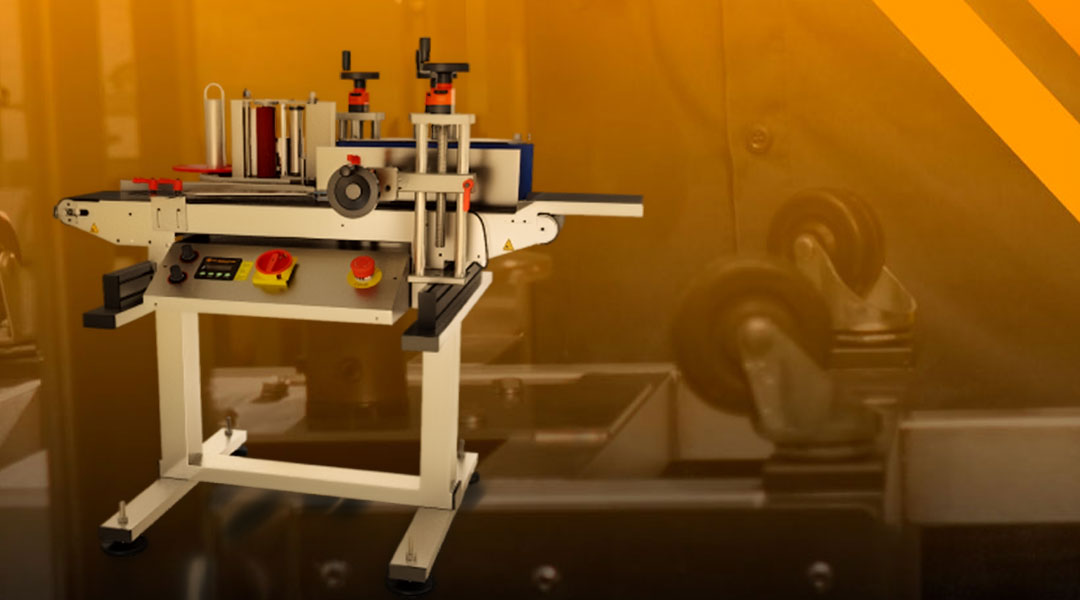
Bottle labelers keep packaging lines moving, but hidden errors can disrupt output. Small issues in sensor alignment often slip past operators and skew where each label lands on the bottle. In addition, conveyor speeds that vary even slightly will throw off labeling consistency across a shift and lead to costly rework or rejected products.
Room temperature or humidity affects how well labels adhere during application and move through later steps, like cappers or induction sealers. Sometimes rolls are installed with small mistakes that cause jams inside the machine and stop production for unplanned service work. Meanwhile, vibration from floor layout flaws or conveyor imbalances may result in uneven placement that goes unnoticed until line checks reveal wasted runs.
Wear on rollers, guides, and peeler bars builds slowly over months of use, causing more frequent misplacements as equipment ages without routine checks. Skipping calibration routines before daily startup can also cause accuracy issues. This is important for FDA and USDA oversight in regulated fields that use GLOBALTEK® systems. Ongoing performance begins with accurate sensors positioned correctly next to every Packaging Equipment component along your integrated line.
Misaligned Sensors Affect Label Placement
Misaligned sensors in conveyor systems for bottle labeling are a hidden issue that can slip past routine checks, causing labels to land in the wrong spot. These small errors can mean wasted materials, inconsistent presentation, and lost production time.
Early or Late Triggering: If a sensor reads a bottle position incorrectly, it may trigger the label dispenser too soon or too late. This timing error leads to labels missing their intended placement zone.
Gaps or Overlaps Between Labels: If a sensor misreads spacing between bottles, physical gaps or overlaps can occur, affecting visual consistency.
Small Sensor Shifts Add Up: Even slight sensor shifts can create uneven label placement across a production run. Regular checks during line changes help maintain placement accuracy.
Inconsistent Labeling Due to Conveyor Speed
Unexpected changes in conveyor speed can cause labels to miss their exact mark. Even minor variations can result in skewed labels or uneven wrap.
Fluctuating Conveyor Speed: Brief surges or dips in speed affect timing between bottle arrival and label application.
Mismatch with Labeler Settings: If the conveyor moves faster than the labeling head is set to apply, label placement accuracy declines.
Variations Between Runs: Differences in speed settings between shifts or product lots may lead to inconsistent results.
Higher Scrap and Downtime: Placement errors tied to speed shifts may increase rejected bottles and slow throughput.
Poor Adhesion from Environmental Factors
Environmental conditions influence how labels adhere and perform after application.
Moisture Exposure: High humidity or direct water contact can affect adhesion strength.
Temperature Changes: Rapid temperature shifts may impact how adhesive bonds to the container surface.
Chilled or Iced Products: Cold storage environments can affect standard adhesive performance.
Inadequate Wet-Strength Materials: Labels not designed for moisture exposure may degrade faster.
Substrate Variability: Switching between glass bottles and metal cans requires material compatibility checks.
Label Jams from Incorrect Roll Installation
Incorrect roll installation can interrupt even well-managed production lines.
Wrong Roll Orientation: Installing the roll backward or upside down disrupts feed direction.
Improper Tension Setting: Too much or too little tension can cause slack or excessive pull, increasing jam risk.
Loose Core Mounting: If the roll core is not secured properly, uneven rotation can tangle the label web.
Poor Edge Alignment: Off-center rolls create friction that leads to feed issues.
Missed Web Threading: Incorrect threading through guide rollers or sensors can stop the Conveyor Systems mid-cycle.
Uneven Labeling from Conveyor Instability
Unstable conveyor movement can lead to uneven label placement and disrupt final presentation. Conveyor Systems are central to Packaging Equipment integration, so even small vibrations or speed inconsistencies may affect alignment. Bottle labelers require steady movement to ensure labels are applied flat and straight across each unit.
When the conveyor is not properly maintained or aligned with the labeling head, small shifts in direction can appear. These signs may go unnoticed until defects accumulate. Keeping conveyors stable and inspecting drive components regularly helps reduce labeling variation.
Worn Components Lead to Labeling Errors
Component wear can gradually reduce labeling accuracy.
Compromised Rollers and Belts: As rollers and belts wear, bottle movement may become inconsistent, affecting label placement.
Loose or Missing Hardware: Small fasteners may loosen over time, allowing slight movement in labeling assemblies.
Dull Cutting or Peeling Blades: Worn blades can cause labels to tear or misfeed, interrupting steady operation.
Routine inspection helps maintain consistent performance from your bottle labeler machine.
Inadequate Calibration Causes Label Misplacement
Accurate setup is essential for proper label placement.
Shifted Applicator Arms: If applicator arms are positioned incorrectly, labels may land too high or too low on the container.
Label Feed Timing Errors: Skipping setup checks at higher speeds can affect application timing.
Bottle Indexing Misalignments: Inaccurate bottle positioning may disrupt flow and create downstream alignment issues.
Calibration checks before production runs help maintain labeling precision.
No operation runs perfectly without oversight. Hidden labeling errors can create measurable disruptions for your bottle labeler machine and integrated production lines. Issues such as uneven feeds, adhesive inconsistencies, and missed sensor alignment reduce line efficiency.
At GLOBALTEK®, we understand how small alignment or integration issues affect throughput and compliance. Our Packaging Equipment integrates with Conveyor Systems and stainless steel Rotary Equipment to support consistent product movement across labeling stages. We design systems to align with floor plans, load specifications, and speed requirements so root causes of labeling issues are addressed through proper integration and mechanical stability.
UL-certified construction and integration-ready features support regulated environments. Whether you are upgrading Capper Machine systems or aligning Liquid Filling Equipment with labeling stations, we focus on straightforward integration, efficient changeover, and daily maintenance accessibility.
Our Made in the USA systems are engineered for long-term durability and consistent operation. Investing in proper labeling integration reduces preventable interruptions and supports smooth product flow across your entire packaging line.
To learn more about GLOBALTEK® labeling solutions, visit: https://www.globaltekconveyors.com/labeling-machine/
How Heat Shrink Tunnel Improves Packaging Equipment Line Integration
03/12/2026
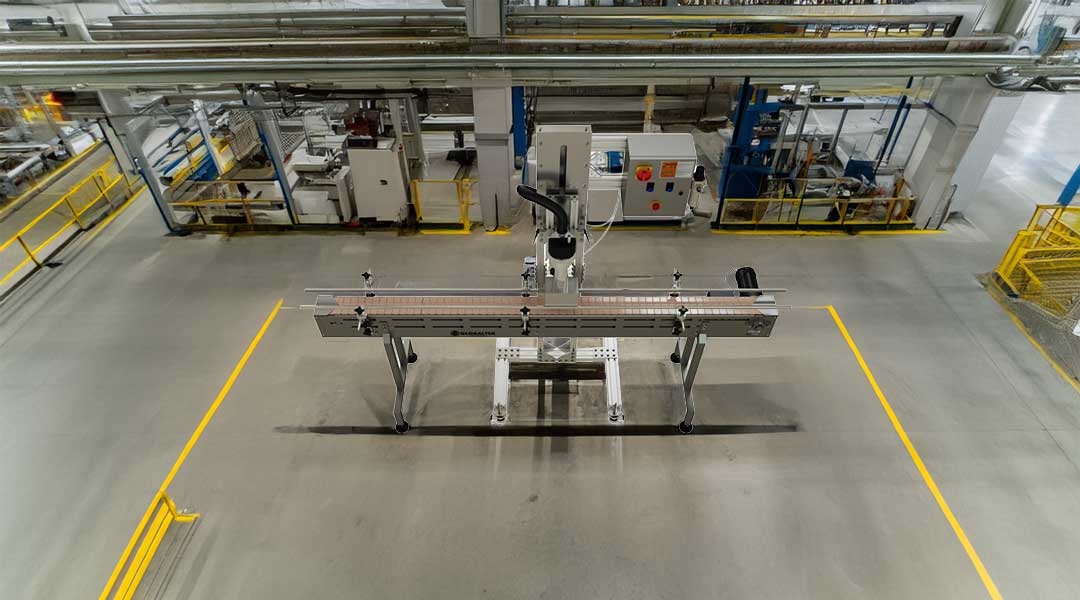
Heat shrink tunnel in packaging plays a key role across modern production lines. We focus on a smooth setup for your conveyor system, your liquid filling equipment, or your rotary setup. You often look for solutions that give steady output and hit your speed goals without adding staff load.
With a heat shrink tunnel, you get an even wrap no matter the pack size while keeping power use controlled compared to older systems. This is important because shelf look matters just as much as tight seals since shelf appeal drives trust at the point of sale. You will like how easy it is to add this technology to your current system with minimal line downtime or extra training during setup and service cycles. Boosting efficiency across your entire Packaging Equipment process starts here.
Enhancing Packaging Line Efficiency
Speed and smooth flow matter most in packaging lines, especially when your team faces tight deadlines. GLOBALTEK® integrates a heat shrink tunnel in packaging systems to help you get the most from every stage.
Streamlined Workflow: Adding a heat shrink tunnel reduces product transfer steps and makes it easier to move items between machines.
Faster Throughput: Shrink film equipment supports steady package flow, helping you meet higher order volume with consistent pacing.
Labor Reduction: Teams spend less time on repetitive manual tasks when shrink operations are integrated into the line.
Tighter Synchronization: Equipment stays aligned using matched Conveyor Systems, so you get fewer bottlenecks and smoother handoffs.
Consistent Output: Automated sequences ensure each product follows the same steps, maintaining uniform packaging quality across shifts.
Ensuring Consistent Shrink Performance
Consistent shrink performance supports full equipment line integration, as uneven results can disrupt downstream processes. You get steady heat shrink tunnel operation that leads to reliable quality, smooth transfers, and fewer packaging interruptions.
Precise Temperature Regulation: Controlled heat settings keep tunnel temperatures stable, supporting even shrink quality across production runs.
Conveyor Synchronization: Integrated Conveyor Systems maintain steady product speed, helping ensure balanced heat exposure from entrance to exit.
Advanced Film Handling: Guided rollers and controlled tension help reduce film bunching and uneven shrinkage that can interrupt workflow.
Operational Adjustability: Adjustable airflow and timing allow the tunnel to support multiple package sizes without unnecessary manual recalibration.
Reducing Energy Consumption
Reducing energy use affects both operating costs and production efficiency. When a heat shrink tunnel becomes part of your full system, a stable design supports controlled energy use.
Controlled heat settings allow operators to maintain required temperatures without excessive cycling. Consistent airflow and insulation help maintain stable internal conditions, limiting unnecessary energy fluctuation during operation.
Stainless steel construction supports heat retention within the tunnel chamber. When integrated with upstream and downstream Packaging Equipment, steady product flow helps reduce idle cycles, supporting consistent performance throughout the workday.
Accommodating Various Product Sizes
Different products require flexibility during packaging, and the right heat shrink tunnel supports these shifts without major disruption.
Versatile Tunnel Openings: Adjustable openings allow transitions between smaller containers and larger packages without extended downtime.
Flexible Conveyor Systems: Conveyor adjustments accommodate varied product dimensions while maintaining stable movement.
Optimized Airflow Distribution: Balanced airflow supports even shrink results across short, tall, or bundled products.
Adaptable Film Handling: The tunnel supports multiple film types and sizes to match different packaging needs.
Consistent Package Positioning: Controlled alignment ensures packages of different heights and lengths travel evenly through the heat zone.
Improving Packaging Appearance
Shrink tunnels directly influence final product presentation. Consistent shrink performance produces a clean, shelf-ready appearance that supports brand perception
Smooth, Uniform Finishes: Even heat exposure helps film conform to product contours, reducing visible wrinkles or loose areas.
Enhanced Shelf Appeal: Crisp presentation reflects process control and manufacturing discipline, reinforcing product credibility.
Repeatable Quality for Every Order: Standardized shrink cycles support consistent appearance across production runs without variation between shifts.
Together, these factors help ensure every package leaving the line meets the same visual standard, supporting consistent brand presentation across distribution channels.
Simplifying Integration with Existing Systems
Integrating a heat shrink tunnel with existing Packaging Equipment supports a smoother setup and predictable system performance.
Compatibility with Legacy Systems: GLOBALTEK® heat shrink tunnels are designed with adaptable connections that align with Conveyor Systems and Liquid Filling Equipment.
Straightforward Wiring and Controls: Clear control layouts support efficient installation alongside Capper Machine systems or Rotary Equipment.
Minimal Footprint Adjustments: Compact shrink tunnel profiles allow integration into existing floor plans without extensive reconfiguration.
This integration-focused design helps maintain steady production flow while reducing disruption during installation, allowing your packaging line to continue operating with consistent performance.
Minimizing Maintenance and Downtime
Routine upkeep is essential in any Packaging Equipment line. A properly engineered heat shrink tunnel supports efficient service access and stable operation.
Preventive maintenance is simplified with accessible components that allow technicians to inspect and service key areas without extended shutdowns. Regular inspection supports predictable performance across shifts.
Operator training is supported by straightforward controls and clear system layouts. Teams can identify operational changes quickly and maintain steady line performance.
Our integration-ready heat shrink tunnel connects with Conveyor Systems and adjacent equipment, helping reduce confusion across multi-stage production setups. Coordinated system design allows operators to address minor adjustments before they affect overall throughput.
Integrating a heat shrink tunnel into your Packaging Equipment line offers measurable operational benefits. Packaging operations gain smoother product flow and stable shrink performance across shifts. The GLOBALTEK® Heat-It Portable Shrink Tunnel integrates with our Conveyor Systems and Rotary Equipment. With UL-certified components and stainless steel construction, it is built for long-term operation in regulated industries.
You see consistent shrink results that align with packaging standards in food, pharmaceuticals, cosmetics, and nutraceuticals. Efficient changeovers allow multiple product sizes to run with minimal disruption. Our engineering team works with you to align each tunnel with your floorplan, production specifications, and throughput targets.
By improving integration and supporting predictable operation, GLOBALTEK® heat shrink tunnels help you maintain consistent output as your production demands grow.
To learn more about the GLOBALTEK® Heat-It Portable Shrink Tunnel, visit: https://www.globaltekconveyors.com/packaging-equipment/globaltek-heat-it-portable-shrink-tunnel/
Maximize Packaging Line Uptime with Heat Shrink Tunnel
01/17/2026
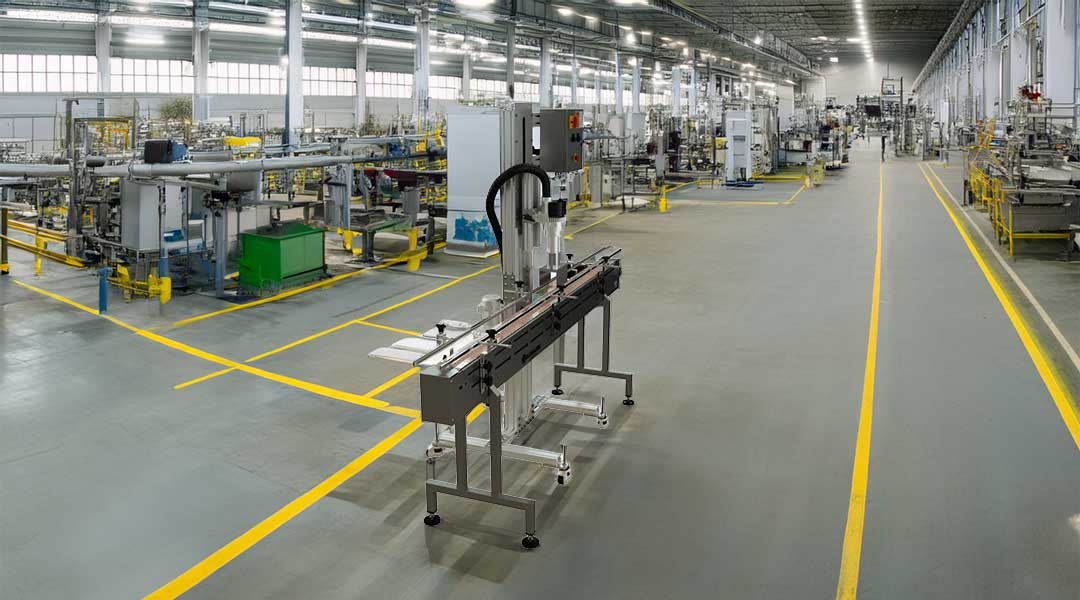
Raising output starts with dependable equipment across your packaging line. A well-configured heat shrink tunnel supports high uptime, smooth package flow, and consistent wrap quality throughout each shift. Stable heating, orderly product spacing, and coordinated conveyor movement all contribute to predictable daily performance. When each part of the system works in harmony, interruptions decline and overall throughput increases.
Small oversights such as poor spacing, buildup on components, or uneven airflow can affect tunnel stability over time. GLOBALTEK® systems are engineered to make these procedures easier to manage while supporting steady operation. Tuned conveyor speed, controlled airflow, and routine care all help maintain reliable shrink performance across regulated industries, including food, cosmetics, nutraceuticals, and general consumer goods.
The following sections outline how heat distribution, conveyor settings, material selection, product spacing, and automation alignment help maximize uptime with a heat shrink tunnel for packaging.
Optimize Conveyor Speed for Efficiency
The first step to increasing line uptime is coordinating conveyor speed with tunnel heat, film behavior, and product shape. When belt movement is balanced correctly, shrink performance becomes more uniform and the line runs with fewer interruptions.
Prevent Overexposure: A conveyor set too slow keeps products in the heat zone longer than needed. When exposure exceeds the ideal range, film may tighten inconsistently or distort. Calibrating dwell time helps maintain predictable film behavior.
Keep Pace With Shrink Conditions: If the conveyor runs faster than the film can respond, under-shrink may occur. A balanced speed ensures the film receives the correct amount of heat for clean conformity.
Match Speed to Film Type: Polyolefin and PVC films require different exposure times and heat ranges. Testing each film with your specific tunnel setup supports consistent results across batches.
Balance Line Speed With Production Needs: Conveyor operation should align with upstream and downstream systems. Coordinated movement helps maintain steady throughput and reduces blockages across multi-stage production lines.
Correct speed alignment elevates daily uptime and supports smooth transitions across the entire packaging sequence.
Maintain Consistent Heat Distribution
Reliable airflow and heat coverage inside the tunnel are key to consistent shrink results. GLOBALTEK® heat shrink tunnels are engineered for stable heating patterns that help film settle evenly around products.
Balanced Airflow: A controlled air pattern helps maintain uniform temperature zones. Even airflow reduces hot and cold spots, so the film responds predictably along the full tunnel length.
Predictable Heat Zones: Steady heat support helps maintain consistent shrink behavior. An evenly heated environment supports clear, smooth results without unnecessary adjustments.
Tunnel Engineering: Tunnel shape, vent placement, and insulation factor into how heat circulates. GLOBALTEK® systems are built to support stable heating and orderly airflow across a range of packaging formats.
When heat distribution remains consistent, operators spend less time correcting cosmetic issues and more time running efficient production.
Regularly Inspect and Clean Components
Routine inspection supports equipment reliability and helps reduce downtime tied to wear or residue buildup. Consistent cleaning also protects the quality of each shrink cycle.
Schedule Routine Visual Checks: Regular inspection of heating areas, belts, rollers, and tunnel interiors helps identify early signs of wear before they disrupt production.
Clean Surfaces After Each Shift: Removing film residue and debris from tunnel areas helps maintain clear airflow and even heat exposure.
Replace Worn Parts Proactively: Rollers, guides, and belt elements wear gradually. Replacing them on schedule helps prevent interruptions caused by misalignment or friction.
Keep Maintenance Logs: Tracking adjustments, part replacements, and cleaning routines helps teams anticipate when upgrades or recalibrations are necessary.
Consistent care supports operational stability, which directly contributes to higher daily uptime.
Choose Appropriate Shrink Film Materials
Material selection affects tunnel performance directly. Shrink film must match the tunnel design to support smooth transfer and consistent heating.
Consider Film Thickness: Thicker materials typically offer durability for heavy or large items. Thinner materials support faster shrink cycles and quicker changeovers. Selecting the right gauge helps maintain consistent performance.
Match Film Type to Application: Polyolefin films are often selected for their clarity and flexibility across commercial packaging needs. PVC films provide a tighter fit but require controlled, stable heat conditions to avoid inconsistent shrinkage.
Compatibility Matters: Film that matches tunnel specifications reduces drag, prevents snags, and supports steady product flow. When film aligns with operational requirements, uptime becomes more predictable.
Choosing the right film helps reduce jams, maintain uniform wrapping, and support consistent daily operation.
Ensure Proper Product Spacing
Product spacing influences airflow, heating consistency, and final appearance inside a heat shrink tunnel. Even spacing helps maintain predictable shrink performance across varied production volumes.
Lightweight items, including many consumer goods, benefit from wider belt spacing to promote airflow around each surface. Larger items may require closer spacing because their structure helps stabilize movement through the tunnel.
By adjusting spacing to each product category, operators support controlled heating and smooth travel. Even small adjustments can significantly impact shrink uniformity and maximize production uptime.
Integrate Automated Controls for Precision
Automation helps reinforce consistent results by standardizing tunnel conditions. While GLOBALTEK® systems do not rely on advanced sensing technologies or unverified analytics, they do incorporate accessible operator controls that maintain predictable performance.
Process Consistency: Clear operator controls support repeatable operation. Consistent settings help maintain steady airflow, temperature, and conveyor movement.
Throughput Alignment: Coordinated movement between conveyors and shrink stages helps maintain a uniform pace across the line. Predictable motion supports product stability inside the tunnel.
Material Coordination: When operators adjust film feed, heat settings, and conveyor speed together, the system functions more smoothly across product changes.
GLOBALTEK® designs shrink tunnels to align with upstream and downstream packaging steps, supporting a unified and efficient workflow.
Monitor and Adjust Temperature Settings
Temperature calibration plays an important role in shrink quality and uptime. Shrink performance depends on maintaining a target range for each film type and adjusting parameters when switching between products.
Follow Film Guidelines: Begin within the recommended temperature range for the selected film. Each manufacturer provides typical benchmarks that help guide initial setup.
Evaluate Results During the Run: Observing film behavior during startup helps operators fine-tune heat levels before the line reaches full speed.
Calibrate With Each Changeover: Resetting heat ranges and airflow when transitioning between product sizes or film types supports dependable shrink results.
Document Adjustments: Recording changes after each shift helps teams maintain continuity and minimize unnecessary downtime.
Steady heat control supports consistent shrink quality and contributes to higher uptime across the full production environment.
Why GLOBALTEK® Heat-It Portable Shrink Tunnel Supports Better Uptime
Maximizing packaging line uptime begins with equipment engineered for reliability. The GLOBALTEK® Heat-It Portable Shrink Tunnel is designed around stable heat distribution, controlled airflow, and smooth conveyor movement. These elements help operators achieve repeatable shrink results with minimal adjustment time.
The system’s stainless steel construction supports daily washdown and cleaning routines, while its UL-certified components align with regulatory expectations across multiple industries. GLOBALTEK® designs equipment for straightforward integration, so packaging teams can add a shrink tunnel without disrupting established line layouts.
With controlled heating, compact design, and easy maintenance, the Heat-It Portable Shrink Tunnel contributes to predictable production performance. Operators gain the ability to run consistent packaging cycles, manage changeovers efficiently, and maintain strong uptime across extended shifts.
To explore how the GLOBALTEK® Heat-It Portable Shrink Tunnel fits into your production line, visit: https://www.globaltekconveyors.com/packaging-equipment/globaltek-heat-it-portable-shrink-tunnel/.GLOBALTEK® systems are built to support real-world production needs. With steady heat, reliable construction, and integration-ready features, your packaging line can run confidently, shift after shift.
The Ultimate Guide to Heat Shrink Tunnel Operation
01/16/2026
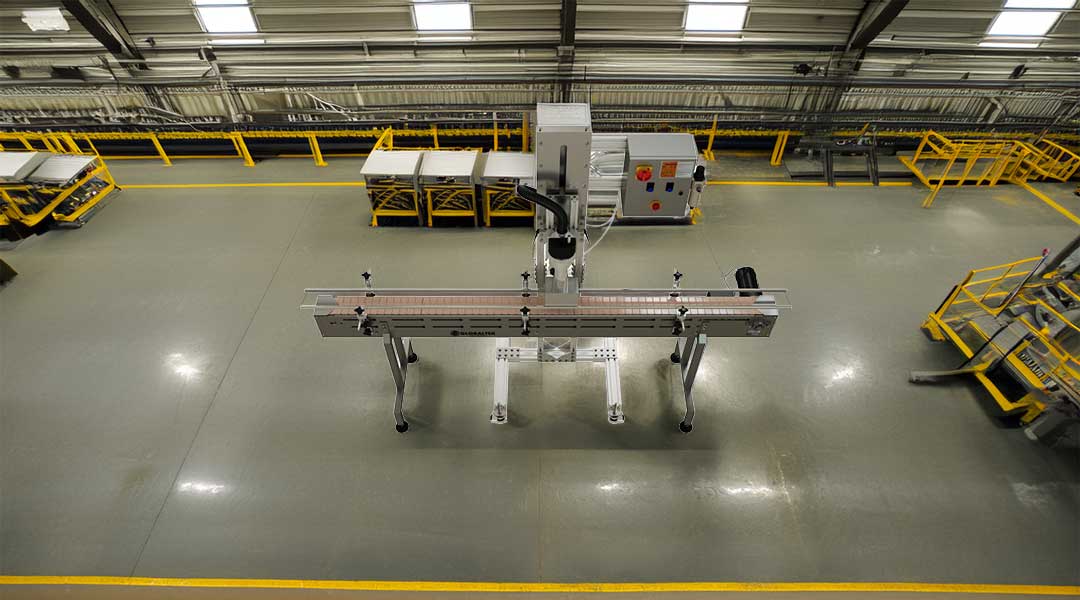
Heat shrink tunnel systems play an important role in producing clean, consistent packaging results across regulated industries. These systems help support controlled pack appearance, predictable shrink performance, and efficient throughput so finished goods can move through production with confidence. When operated correctly, a shrink tunnel allows film to conform cleanly around products, supporting a dependable presentation that meets industry expectations.
However, selecting the right unit and understanding how to run it takes more than reviewing basic specifications. Line fit, conveyor movement, heat characteristics, sanitation access, and long-term maintenance all influence how well a tunnel performs on a daily basis. GLOBALTEK® designs shrink tunnels with these operational priorities in mind so packaging teams can maintain reliable output across varied product types.
This guide explains how to evaluate shrink tunnel options, identify essential components, set correct temperatures, optimize conveyor speed, maintain equipment properly, and troubleshoot common issues. It also shows how GLOBALTEK® systems integrate into production lines to support consistent packaging results at scale.
Selecting the Right Heat Shrink Tunnel
Choosing the correct shrink tunnel affects line speed, packaging uniformity, and day-to-day workflow. Before selecting an automatic heat shrink tunnel machine, it is useful to assess the type of film being used, the shape of the product, and the available space on your production floor.
Assess Material Compatibility: Shrink films respond differently to heat. Polyolefin, PVC, and other specialty films perform best when paired with tunnel designs suited to their behavior. GLOBALTEK® engineers help match tunnel configurations to film characteristics so each run produces consistent results.
Consider Energy Efficiency and Environment: Tunnel efficiency varies depending on the heat source and the circulation design. Reviewing airflow, ambient temperature, and humidity in your facility helps ensure stable operation.
Match Production Needs and Product Details: Shrink tunnels should align with production speeds, container profiles, and space requirements. GLOBALTEK® systems allow operators to integrate shrink tunnels with existing equipment for dependable, flexible performance.
Selecting the right tunnel creates a foundation for consistent packaging results and predictable daily operation.
Key Components of Automatic Heat Shrink Machines
Understanding the core components of a shrink tunnel helps operators manage performance and maintain consistent results during packaging cycles.
Film Dispenser: The film dispenser keeps shrink film aligned and feeds it into the sealing zone. Smooth film guidance minimizes jams and helps maintain consistent presentation during large production runs.
Heat Sealer: The sealing system forms the film around the product before the shrink occurs. GLOBALTEK® sealing components are engineered for consistent, uniform seals at standard line speeds.
Automated Conveyor System: A conveyor moves products through film application, sealing, heating, and cooling. This supports steady throughput and reduces manual handling along the line.
Each component works together to create a controlled, repeatable packaging process.
Optimal Temperature Settings for Shrink Films
Correct temperature settings are essential for producing an even, professional shrink finish with GLOBALTEK® Packaging Equipment.
Material-Specific Ranges: Common film types require specific temperature ranges. For example, polyolefin typically shrinks at approximately 300°F to 350°F, while PVC films often respond well within 250°F to 275°F. These ranges are based on material characteristics, not performance claims.
Package Performance Factors: Room temperature, film perforation, and material thickness affect how heat transfers to the film. Proper venting helps promote smooth shrinkage.
Machine Dynamics: Airflow and belt speed influence how evenly heat is applied. Consistent airflow inside a GLOBALTEK® heat shrink tunnel helps ensure film responds predictably during each cycle.
Correct temperature alignment supports consistent shrink results across varied product types.
Conveyor Speed and Its Impact on Shrinking
Temperature alone is not enough to determine shrink quality. Belt speed influences how long each product stays inside the tunnel, which directly affects shrink performance.
Dwell Time Matters: Lower belt speeds allow film more exposure to heat, so it can conform smoothly around the product.
Throughput Considerations: Increasing conveyor speed can raise output, but only when balanced with heating conditions.
Consistency in Results: Maintaining an appropriate balance between speed and heat helps ensure uniform shrinkage across all items.
Impact on Workflow: Stable conveyor operation reduces unnecessary touchpoints and helps operators maintain predictable line performance.
Matching conveyor speed to tunnel temperature helps maintain controlled shrink quality at scale.
Maintenance Tips for Prolonged Equipment Life
Routine care helps ensure reliable operation and extends the lifespan of GLOBALTEK® shrink tunnels.
Daily Cleaning Prevents Buildup: Keeping conveyor surfaces, film areas, and heating zones clean reduces unnecessary residue and supports consistent heat exposure.
Inspect Wear Components: Rollers, guides, and moving parts should be checked regularly for alignment and condition.
Reset Operating Parameters Periodically: Reviewing temperature and airflow settings helps ensure consistent operation over time.
Change Settings Gradually: Adjustments should be made incrementally so operators can evaluate effects without disrupting production.
Maintain Upkeep Logs: Documenting adjustments, component replacement, and cleaning helps operators identify trends and plan proactive maintenance.
Consistent maintenance supports the long-term reliability of GLOBALTEK® shrink tunnels.
Troubleshooting Common Shrink Tunnel Issues
Even well-maintained systems can occasionally experience operational issues. Understanding common symptoms helps operators correct issues quickly without interrupting production.
Film Wrinkling or Misalignment: If film wrinkles or drifts, review film alignment at the sealing area and check tunnel airflow for consistency.
Burn Marks or Over-Shrink: Excessive heat or slow belt speeds can cause over-shrink. Adjust temperature or speed gradually to correct.
Cosmetic Imperfections: Marks or uneven seals often appear after changeovers or adjustments. Reviewing setup steps typically resolves these issues.
Intermittent Stops: Covers, safety switches, or obstructions may trigger system pauses. Confirm clearances and ensure all panels are properly secured.
Most troubleshooting involves small adjustments rather than large system changes.
Enhancing Packaging Efficiency with Automation
Automation helps streamline shrink tunnel operation by reducing unnecessary manual handling and supporting consistent line coordination. GLOBALTEK® shrink tunnels help operators maintain repeatable performance while focusing on high-value work.
Shrink tunnel automation improves pack finish, supports uniform seals, and reduces wasted film by enabling the film to shrink in a controlled, predictable environment. This supports cleaner results across multipacks, individual items, and specialty packaging formats.
Automation also supports scalability. As companies expand their product offerings or increase volume, GLOBALTEK® shrink tunnels integrate with conveyors, sealers, and additional automation steps to maintain steady throughput without burdensome changeover times.
Why GLOBALTEK® Heat-It Portable Shrink Tunnel Enhances Line Performance
Mastering shrink tunnel operation begins with reliable equipment. The GLOBALTEK® Heat-It Portable Shrink Tunnel is engineered for consistent heat application, controlled airflow, and easy integration with existing lines. UL-certified components, stainless steel construction, and operator-friendly access points support long-term reliability and ease of maintenance.
Compact footprint options help facilities adapt the unit to a variety of floorplans, while controlled heating and conveyor design support repeatable shrink performance across many packaging types. The system is designed to align with regulated industry needs while remaining practical for day-to-day production demands.
Selecting a GLOBALTEK® shrink tunnel helps teams maintain consistent appearance, dependable seal quality, and predictable results across every production run.
To explore how the GLOBALTEK® Heat-It Portable Shrink Tunnel integrates into your operation, visit: https://www.globaltekconveyors.com/packaging-equipment/globaltek-heat-it-portable-shrink-tunnel/. This engineered approach supports packaging consistency while strengthening long-term performance as your production needs evolve.