
Comparing Single-Head versus Multi-Head Liquid Filling Equipment for Capacity Trade-Off
07/10/2026
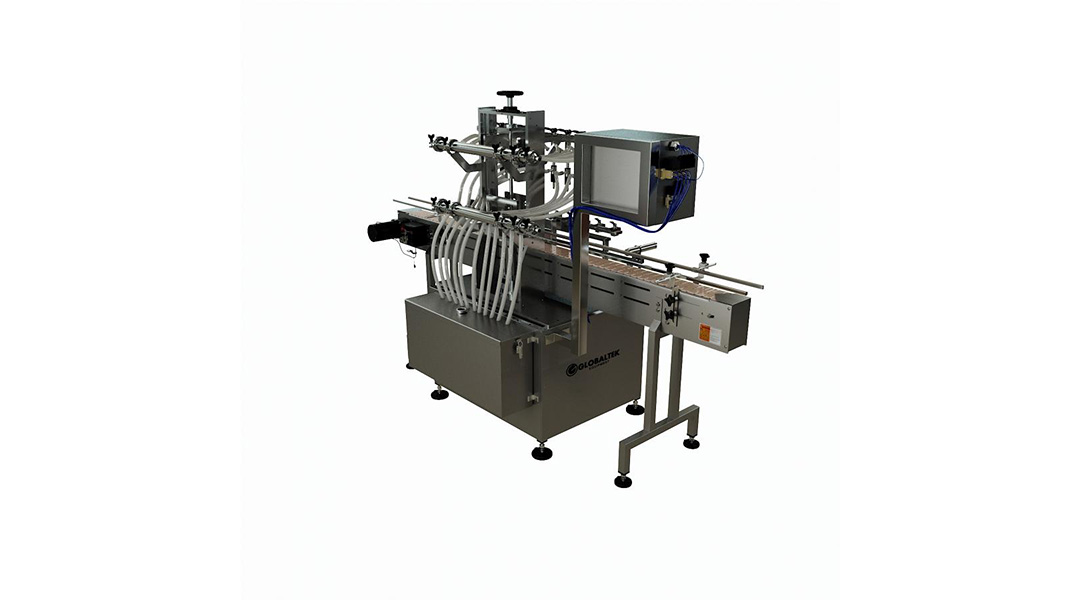
Picking between single-head and multi-head Liquid Filling Equipment shapes the size, speed, and flexibility of a production line. Multi-head fillers handle multiple containers at once for higher output when demand increases or during peak seasons.
Meanwhile, single-head machines suit small runs or niche products where fast changeovers matter. As automation grows in Packaging Equipment lines across food, cosmetics, pharmaceuticals, and supplements, we balance output with floor space more carefully than ever.
A practical layout matters because limited space affects many facilities, upgrading Conveyor Systems to support regulated production requirements in the United States. In turn, long-term cost control depends on matching cost per unit with the right system configuration.
However, service cycles can affect those gains without proper timing and clear cleaning steps built into each station. We evaluate labor-saving options that reduce manual adjustments while supporting product mixes such as thick creams or foaming liquids on integrated Rotary Equipment.
Our next section shows how multi-head fillers support output and help growing brands maintain steady runs batch after batch.
Maximizing Output with Multi-Head Fillers
Maximizing output with multi-head fillers means every production hour counts. In busy plants, upgrading to multi-head fillers can help manage changing batch sizes with a more controlled production flow.
These machines fill multiple containers at once, making them useful for food, cosmetic, pharmaceutical, and nutraceutical applications. The main operational advantage appears on the line, where parallel filling stations help increase throughput compared with single-head operation.
As a result, there is less manual handling, so variation can decrease and product consistency can improve. This supports regulated production environments where repeatable filling, sanitation access, and process control matter.
Industry demand for faster filling systems continues to grow as producers expand ready-to-ship formats and high-volume product lines. Multi-head systems can support these production needs when floor space, container size, and downstream equipment are planned correctly.
In particular, our customers in regulated industries use these machines to support scalable production. For reliable liquid filling equipment for packaging, we help align output goals with system design, sanitation requirements, and integration needs.
Reducing Downtime for Consistent Packaging
Reducing downtime is important for any facility that requires steady packaging on every shift. The right Liquid Filling Equipment can support smoother line operation and more consistent production schedules.
- Fast Changeover Features: Switching between product types or container sizes should be planned around accessible adjustments and practical setup procedures. Machines with tool-free changeover features allow operators to adjust fill heads and settings more efficiently, reducing idle time. In regulated environments such as food or pharmaceutical production, this helps maintain output when more than one SKU runs in one day.
- Operator-Visible System Controls: Clear control interfaces and standard machine indicators help operators review fill settings, line status, and routine setup requirements. This supports faster response during normal production checks without relying on unlisted analytics or predictive features. Multi-head fillers benefit from clear controls because multiple filling stations must remain coordinated across the line.
- Clean-In-Place Compatibility: Clean-in-place compatibility supports faster cleaning of product-contact areas without full machine teardown when the system is designed for that process. This can reduce manual cleaning steps and support faster preparation for the next batch. Proper CIP planning also helps facilities maintain sanitation procedures across high-speed production environments.
Space Planning in Your Production Line
Space on the production floor shapes each choice made about new equipment, especially when comparing single-head versus multi-head liquid filling options. With proper planning, we can support line speed, product flow, and future growth.
- Footprint Optimization: Making the most of limited space depends on how well the filling machine aligns with Conveyor Systems and Packaging Equipment. A single-head filler may require less floor space, while a multi-head setup usually requires a larger area to support multiple filling stations and product movement.
- Pathways for Operators: Facilities need enough room for operators to move safely between filling stations, Capper Machine systems, and other connected equipment. Clear walkways support smoother operation, routine checks, sanitation procedures, and maintenance access.
- Modular Layout Opportunities: Modular Packaging Equipment and Conveyor Systems allow production layouts to adjust when volume increases or product requirements change. A flexible setup supports upgrades with less need for full layout reconstruction.
Cost Efficiency for Long-Term Scaling
Single-head Liquid Filling Equipment often appeals to smaller operations looking for a lower upfront investment. Manual or semi-automatic machines can also keep maintenance simple because they include fewer components than larger multi-head systems.
Output for single-head models works well for short runs, pilot products, or specialty batches. That makes them useful for testing new formulas, supporting limited SKUs, or managing production where flexibility is more important than high volume.
When daily demand increases, labor requirements can rise because each extra container requires more operator involvement. Multi-head Liquid Filling Equipment, on the other hand, carries a higher upfront investment because it includes larger frames, additional filling stations, and more integrated controls.
That investment supports more consistent high-volume production when the line is properly designed. Multi-head systems can reduce manual effort per container by filling several units at once and aligning more efficiently with Conveyor Systems, Capper Machine solutions, and downstream Packaging Equipment.
Over time, the right automation level can help stabilize production costs as volume grows, making the capacity trade-off easier to evaluate against throughput, staffing, and floorplan requirements.
Adapting to Diverse Liquid Types
Long-term cost control may shape the choice between a single-head or multi-head Liquid Filling Equipment solution, but product flexibility also matters. The machine must handle creams, thin emulsions, lotions, or products with particulates, which affects daily output and changeover planning.
- Single-Head Product Control: Single-head machines often provide more controlled operation for high-viscosity creams, making them a common option for small-batch or specialty lines.
- Multi-Head High-Volume Filling: Multi-head systems work well for stable, free-flowing liquids where higher containers-per-minute output is a priority.
- Nozzle Selection: Nozzle style makes a major difference. Piston or peristaltic designs can support delicate emulsions, while drip-control nozzles help manage thin liquids.
- Sanitary Contact Surfaces: Stainless steel contact surfaces, such as 316L or 304, support cleaning procedures and are commonly used in regulated environments that follow USDA, FDA, or ISO 22716-related sanitation expectations.
- Service Access: Maintenance remains more efficient when components are accessible, and service procedures are clear, so our support focuses on helping facilities keep Liquid Filling Equipment operating consistently.
Our team designs GLOBALTEK® Liquid Filling Equipment to match production needs, whether the priority is flexibility or higher output. Each system is built with stainless steel construction, UL-certified components, and Made in the USA manufacturing.
When GLOBALTEK® Packaging Equipment is integrated with Conveyor Systems, Capper Machine solutions, and Rotary Equipment, facilities can support smoother flow, accessible maintenance, and practical changeovers. This helps production lines adapt to new products, formats, or regulated operating requirements.
We work closely with facility teams to determine the right setup for existing floor plans and capacity goals. No matter which capacity trade-off fits the application, GLOBALTEK® focuses on precision engineering, durable construction, and long-term system integration.
To learn more about GLOBALTEK® liquid filling solutions, visit: https://www.globaltekconveyors.com/packaging-equipment/globaltek-fill-it-in-line-automatic-pressure-overflow-filler/
Comments
No posts found