
Applications and Compliance: Industries That Require a Tamper Evident Sleeve Applicator
10/30/2026
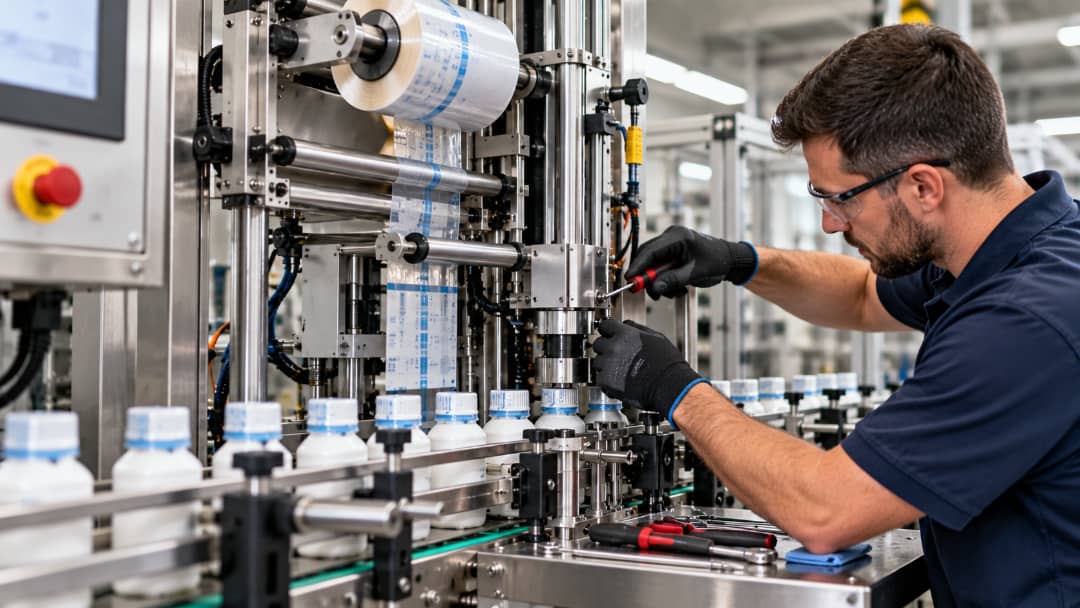
Many industries depend on reliable seals to help protect product integrity. From medicine bottles to food jars, visible evidence of tampering is an important packaging consideration. Clear security features help brands and buyers identify whether a package may have been opened or altered.
Federal agencies establish specific packaging requirements for certain products, including pharmaceuticals. Our team works with manufacturers who need integrated production lines that support consistent packaging operations and their applicable quality requirements.
Visible sleeve technology also serves other sectors, including food, personal care goods, nutraceuticals, automotive chemicals, household cleaners, and medical devices. Each industry has its own technical and regulatory considerations for secure closure systems. A tamper evident sleeve applicator integrated into a production line can help manufacturers apply sleeves consistently while supporting packaging inspections and maintaining production flow. Understanding these applications begins with the specific requirements of pharmaceutical manufacturing.
Pharmaceuticals: Supporting Packaging Integrity and Regulatory Requirements
Drug manufacturers must follow packaging requirements designed to protect product integrity and provide appropriate evidence of tampering. In the United States, FDA regulations establish tamper-evident packaging requirements for certain drug products, including applicable over-the-counter medicines. Requirements vary by product type and intended use.
These visible security seals are designed to provide evidence if a package has been opened or altered. Tamper-evident packaging is one consideration in pharmaceutical quality systems, alongside other packaging, labeling, and handling controls.
Our tamper evident packaging equipment helps manufacturers incorporate sleeve application into their production lines. Equipment selection and setup should reflect the container dimensions, sleeve specifications, production speed, and packaging requirements of the application.
When you integrate sleeve applicators into a production line, they work alongside other packaging equipment during manufacturing and handling. Supporting systems may include Conveyor Systems and capper machines, depending on the line configuration.
With integrated solutions, manufacturers can coordinate sleeve application with their wider packaging processes and applicable quality procedures. Our engineering approach focuses on equipment compatibility, consistent operation, and integration with the production requirements of each facility.
Food and Beverage: Supporting Packaging Integrity
Like pharmaceutical products, food and beverage products are subject to specific packaging and handling requirements. Tamper-evident sleeve applicators help manufacturers apply visible seals that allow inspection of package closure areas during distribution and retail handling.
Secure Seal to Identify Package Access: Tamper-evident packaging equipment applies a visible sleeve around the designated closure area. Depending on the packaging design, a broken, missing, or damaged sleeve can indicate that the package may have been opened or altered. Manufacturers should select materials and application settings that suit the container and intended use.
Supports Inspection and Traceability Procedures: Consistent tamper-evident sleeves give quality teams a visible feature to inspect during packaging checks. When combined with appropriate production records and quality procedures, these features can support package inspection and help teams investigate reported packaging issues.
Supports Packaging Quality and Consumer Confidence: Sleeves provide a visible security feature around the designated closure area. For food and beverage brands, consistent sleeve placement and appearance contribute to packaging presentation and allow buyers to inspect the seal before purchase.
Cosmetics and Personal Care: Building Trust Through Visible Protection
Cosmetic and personal care brands use visible tamper-evident features to support packaging quality and consumer confidence. A properly applied sleeve provides a clear indication of whether the designated closure area may have been opened or altered before the product reaches store shelves.
Builds Consumer Assurance: Visible signs on the package allow buyers to check whether the sleeve has been broken, removed, or damaged.
Supports Packaging Integrity: A sleeve applied over the cap or closure provides a tamper-evident feature that can help identify possible access to the package.
Supports Brand Presentation: Consistent sleeve placement and appearance help maintain a uniform presentation across packaged products and production batches.
Supports Applicable Packaging Requirements: Tamper-evident packaging equipment can form part of a packaging process designed around relevant product requirements. Manufacturers should confirm the applicable standards and packaging specifications for each product.
Nutraceuticals: Addressing Packaging and Labeling Requirements
Nutraceutical packaging must account for applicable U.S. requirements, including those governing dietary supplements under the Dietary Supplement Health and Education Act (DSHEA). FDA requirements address areas such as labeling, permitted claims, and good manufacturing practices. The specific obligations depend on the product and its intended use.
Packaging equipment designed for supplement production helps manufacturers incorporate consistent packaging steps into their operations. A tamper evident sleeve applicator can apply a visible sleeve around a designated closure area, allowing inspectors and buyers to check for signs of opening or alteration.
We understand the importance of coordinating packaging equipment with established production requirements. Our systems can be configured to work with Conveyor Systems and Liquid Filling Equipment, depending on the application and line layout. Sleeve applicators can also be integrated with suitable Rotary Equipment where the production configuration calls for it.
Using tamper-evident features as part of a properly designed packaging process supports visual inspection and helps manufacturers maintain consistency across production runs. Equipment selection should account for container dimensions, sleeve materials, required throughput, and compatibility with other line components.
Automotive Chemicals: Packaging for Regulated Products
Automotive chemicals may be subject to specific packaging, labeling, and transportation requirements, particularly when classified as hazardous materials. Manufacturers should determine the applicable U.S. Department of Transportation (DOT) requirements based on the product classification and shipping conditions. A tamper-evident sleeve alone does not establish regulatory compliance.
Packaging Requirements for Regulated Goods: Applicable federal rules may establish requirements for packaging, hazard communication, marking, and transportation. Tamper-evident bands can provide a visible indication of possible access to a container, but they do not replace required packaging specifications or transport documentation.
Closure Inspection and Package Integrity: Sleeves applied around designated closures provide a visible feature for checking whether a package may have been opened or altered. Manufacturers should verify that the closure, container, and sleeve are suitable for the product and intended transportation conditions.
Inspection During Shipping and Receipt: Freight handlers, warehouse teams, and customers can inspect sleeves for visible damage or signs of removal. A missing or damaged band can prompt further examination according to established receiving and quality procedures.
Household Products: Supporting Consistent Packaging and Visible Seals
Packaging household products involves selecting suitable containers and closures for the intended contents. Visible seals help buyers identify whether a designated closure area may have been opened or altered. Several considerations make consistent sleeve application valuable for manufacturers and retailers.
Visible Features Around Closures: A properly selected sleeve provides a visible indication of possible access to the package. However, a tamper-evident sleeve does not independently guarantee leak prevention. Container design, closure performance, material compatibility, and handling conditions remain important considerations.
Visible Protection Supports Customer Confidence: Tamper-evident bands make it easier for buyers to inspect a cleaner or detergent's closure before purchase. An intact sleeve provides a visible packaging feature, while a damaged or missing sleeve can prompt closer inspection.
Streamlined Store Handling and Inventory Checks: Staff can identify damaged or missing sleeves during shelf stocking, receiving, or routine inspections. Equipment that applies sleeves consistently helps manufacturers maintain uniform packaging presentation and supports efficient visual checks throughout distribution.
Medical Devices: Addressing Packaging and Quality Requirements
Medical device packaging requires careful attention to the applicable regulatory and product requirements. Depending on the device and its packaging, manufacturers may need to demonstrate that packaging maintains specified conditions and provides appropriate evidence of tampering or package opening.
Packaging equipment plays a role in maintaining consistent production processes in these environments. Sleeve applicators can be integrated with suitable packaging systems to apply visible tamper-evident features where the product design and packaging requirements call for them. Other equipment may include Conveyor Systems, Liquid Filling Equipment, and Capper Machines, depending on the manufacturing process.
Manufacturers should assess the suitability of tamper-evident sleeves against the device's packaging specifications, handling requirements, and applicable regulations. Sleeve application can support visual inspection of a designated closure area, but it does not independently establish sterility, cleanliness, or regulatory compliance.
These features can form part of a broader packaging process designed to meet documented quality requirements. Equipment configuration, material compatibility, and validated production procedures should be considered when integrating sleeve application into medical device packaging operations.
Tamper evident sleeve applicators serve a range of regulated and consumer-product packaging applications. Industries from pharmaceuticals to food and personal care use visible security features to support package inspection and identify possible access to designated closure areas.
Applicable requirements vary by industry and product type, including FDA requirements for certain drugs and foods and DOT requirements for qualifying hazardous materials in transportation. Manufacturers should confirm which regulations apply to their products and packaging configurations before selecting equipment.
Our tamper evident packaging equipment is designed to integrate with suitable Conveyor Systems, Rotary Equipment, and other packaging line components. A well-planned installation can support consistent sleeve application, practical changeovers, and efficient coordination across production stages.
This engineering approach supports repeatable packaging processes and helps quality teams conduct visual inspections. Equipment selection should account for required throughput, available floor space, container specifications, sleeve materials, and the interfaces needed to connect with existing machinery.
As packaging requirements evolve, engineered sleeve application solutions remain relevant across these industries. Visible tamper-evident features, consistent equipment operation, and compatibility with the wider production line all contribute to effective packaging workflows. We help manufacturers evaluate equipment configurations that fit their operational needs and support their established packaging and quality procedures.
Comments
No posts found