Blog
11/06/2014
INDUSTRY BLOG
Preventing Spillage with Precision Overflow Filling
11/30/2025
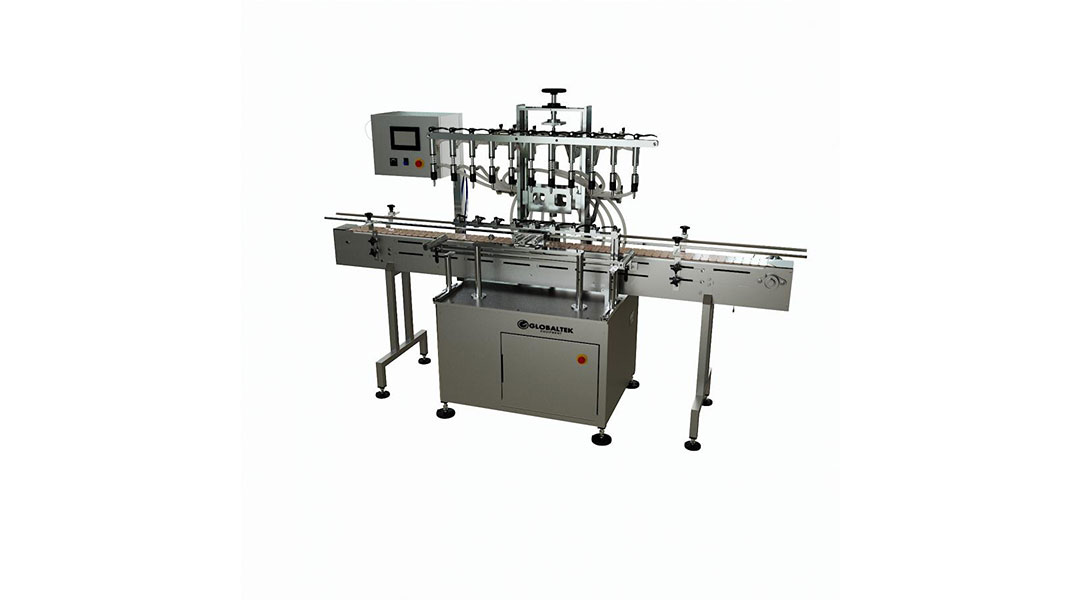
Precision overflow filling plays a critical role in reducing liquid waste and keeping production lines efficient. At GLOBALTEK®, our automatic overflow filling in packaging systems are engineered to deliver clean, repeatable results that meet regulatory compliance without sacrificing output. With advanced nozzle technology, level-sensing systems, foam control methods, and proper line configuration, you get faster throughput and consistent results, without overfills, messes, or costly product loss.
Let’s explore how each part of the system contributes to spill prevention and efficiency, starting with nozzle design.
Optimize Nozzle Design to Prevent Spillage
Optimizing nozzle design stops spillage before it starts. A precision-engineered nozzle forms a tight seal around each container, ensuring overflow liquid is recirculated back to the holding tank—not lost to the line. This approach delivers packaging that meets visual and volume accuracy standards without compromising cleanliness or efficiency.
Overflow filling nozzles from GLOBALTEK® are built to manage a wide range of product viscosities, with or without foam. They can recapture up to 0.05% of product during the fill cycle, helping reduce waste without slowing throughput. For larger containers, wider nozzles are available to maintain fast fill speeds while preserving accuracy and control.
The system’s recirculating tank ensures steady flow to every nozzle, minimizing pressure drops and maintaining uniform fill levels. Whether you’re running high-volume lines or small-batch production, our automatic overflow filling in packaging machines are designed to maintain consistency, reduce downtime, and eliminate spillage from start to finish.
Implement Accurate Level-Sensing Overflow Technology
Precision starts with knowing exactly when to stop the fill. That’s where accurate level-sensing comes in.
Smart Fill Height Detection: Sensors measure when each bottle reaches the correct liquid level, stopping fill operations in real time.
15% Waste Reduction: Compared to manual checks, sensor-based overflow systems cut waste and overfill costs significantly.
Container Variation Adjustment: Sensors compensate for minor variations in container height and diameter without halting production.
Product Compatibility: Whether you’re filling low-viscosity sauces or high-viscosity creams, these sensors adjust in milliseconds to product properties.
Minimized Rework: Fewer overfills and underfills translate into less time spent reworking or discarding faulty products.
Together with GLOBALTEK® automatic overflow filling in packaging technology, level sensors form the second line of defense against unwanted spills.
Utilize Foam Management Systems for Consistency
Foam is one of the biggest obstacles in high-speed liquid filling, and controlling it is essential for clean fills.
Anti-Foam Nozzles: Our nozzle designs send foam back to the tank, reducing overflow risk. According to Packaging Digest, these systems dramatically lower rework rates.
Bottom-Up Filling: This method lowers the nozzle into the bottle and raises it as it fills. Research shows a foam reduction of up to 35% in carbonated or aerated products.
Steady Liquid Flow: Keeping the liquid in motion pushes foam away from the bottle neck, ensuring level fills and clean caps.
Custom Machine Configurations: GLOBALTEK® machines allow for variable foam control settings depending on product thickness, temperature, or behavior.
Improved Shift Yields: With over 95% foam clearance success per shift, our systems prevent fill loss and bottle rejections.
Foam management is not optional; it’s a core requirement for consistent, spill-free packaging.
Ensure Proper Container Alignment and Positioning
Even the best equipment struggles if bottles aren’t in the right place at the right time.
Entry Orientation: Conveyor rails must guide bottles straight into the fill zone without rotation or lateral sway.
Clean Transfer Points: Misalignments between conveyor sections can jar containers, causing leaks during fill.
Even Spacing: Spacing guides and feed screws ensure every container is filled in the same position, every time.
Secure Hold Mechanisms: Bottles must be clamped or stopped in place during the fill cycle to prevent tipping or slipping.
Visual Inspections: Spotting a misaligned bottle before it reaches the nozzle prevents spills. Studies found that 8% of line spills came from alignment issues alone.
These simple yet vital controls help your overflow filling machine perform to its potential.
Maintain Consistent Filling Speeds to Reduce Foam
Steady speed equals steady flow. Disruptions in pace often lead to spills, foam buildup, and pressure fluctuations inside containers.
Uniform Line Speeds: Keep conveyor and pump speeds consistent across shifts. Tests show a foam reduction of up to 35% when speed remains constant.
Valve Synchronization: Fill valves must open and close in harmony with conveyor motion. This limits shaking and the formation of unwanted bubbles.
CO2 Pressure Control: For carbonated products, pairing stable fill speed with CO2 monitoring keeps foam under control and carbonation intact.
Real-Time Adjustments: Operators should have tools to adjust both speed and pressure mid-run without pausing the line.
Reduced Downtime: Steady speed translates into fewer jams, cleaner fills, and less operator intervention.
GLOBALTEK® systems are designed for synchronized speed and timing, keeping the line running smoothly and clean from start to finish.
Regularly Clean and Maintain Filling Equipment
Even the best-designed system needs regular upkeep. Skipping cleaning or letting buildup accumulate invites spillage and error.
Sensor Calibration: Dirty sensors drift over time, triggering early or late shutoff. Routine cleaning preserves their accuracy.
Clean Valves and Nozzles: Product residue can block flow paths, increase pressure, or affect fill weight.
Contamination Prevention: Cross-contact risks rise without strict cleaning procedures. Following a Standard Operating Procedure (SOP) is essential.
Downtime Reduction: Clean machines run faster and fail less often. A dairy plant study showed 32% less downtime and 55% faster shipments after increasing cleaning frequency.
Less Waste: Clean equipment delivers accurate, repeatable fills. This reduces product giveaways and loss across long production runs.
GLOBALTEK® machines are built with stainless steel and CIP-friendly features to support fast, hygienic cleaning cycles.
Monitor and Control Environmental Factors Affecting Filling
Lastly, the environment around your filling line can make or break your results. Everything from air drafts to humidity impacts overflow behavior.
Temperature Control: A 5°F temperature shift can raise spill rates by 11%, according to Packaging World. Our systems include options like insulated covers to maintain thermal stability.
Humidity Management: Relative humidity over 60% affects liquid viscosity and foam levels. We recommend built-in dehumidifiers in sensitive areas.
Air Filtration: Dust and airborne particles interrupt clean fills and contaminate surfaces. Plants using HEPA-filtered air saw a 23% reduction in fill-related spills.
Ventilation Zones: Localized airflow helps direct fumes and light contaminants away from the fill zone, protecting the product and equipment.
Packaging Area Layout: Keeping temperature-sensitive and foam-prone lines in separate spaces allows better control of environmental conditions.
A well-controlled line environment complements every hardware upgrade you make.
Precision overflow filling isn’t just about speed; it’s about preserving product, reducing waste, and meeting strict standards with confidence. GLOBALTEK®’s Fill-it In-Line Automatic Pressure Overflow Filler is engineered for all of the above.
With precision-engineered nozzles, stainless steel construction, and modular adaptability, our automatic overflow filling in packaging technology helps eliminate overfills, streamline cleanups, and meet compliance every time. When you’re ready to improve throughput and reduce liquid loss, contact us or learn more about the GLOBALTEK® overflow filling machine here.
Hidden Costs of Ignoring Overflow Filling Machine Maintenance
11/29/2025
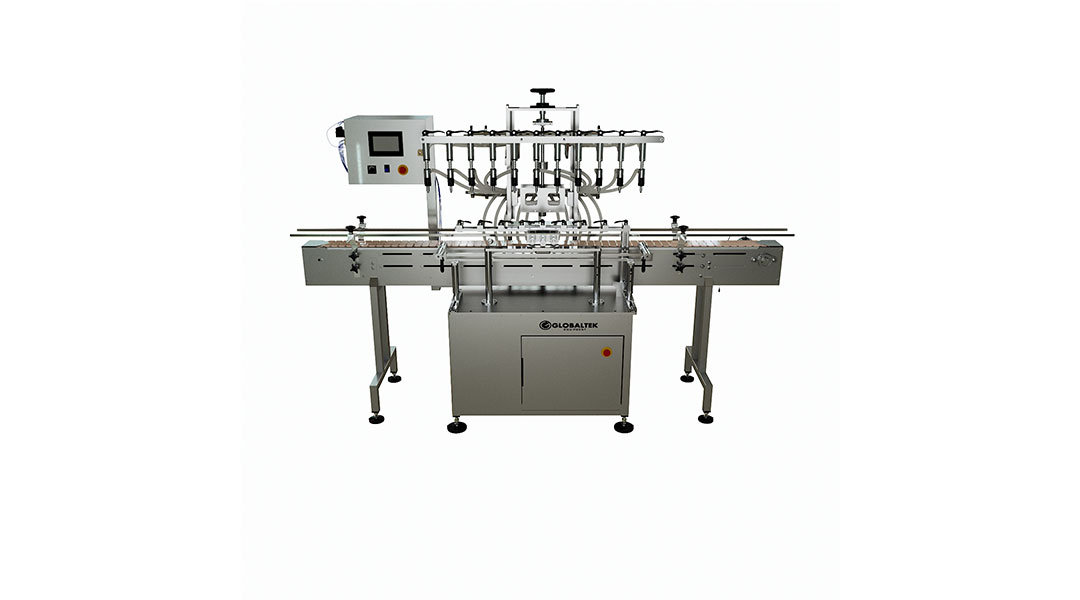
An overflow filling machine sits at the center of any efficient liquid packaging operation. Precision, consistency, and uptime are what keep your output competitive. Letting maintenance slip may seem minor in the short term, but the long-term financial impact builds quickly. Deferred upkeep affects performance, energy use, compliance, and the overall reliability of your equipment.
From emergency repairs and unplanned downtime to failed inspections and rising energy costs, the consequences of neglect extend far beyond simple wear and tear. For operations using an overflow filling machine for liquids, it’s critical to stay ahead of maintenance to avoid production setbacks and unnecessary costs.
Unplanned Downtime and Production Halts
When routine maintenance is ignored, unexpected equipment failure is inevitable. A downed filler doesn’t just pause operations; it disrupts multiple teams, schedules, and deliverables.
- Lost Production Time: Unscheduled downtime can reduce your daily throughput by 20% or more, directly cutting into your fulfillment capacity.
- Wasted Raw Materials: Mid-cycle failures often result in spills and spoiled product, increasing waste by 5–10% per shift.
- Idle Labor Costs: Line operators and technicians remain on standby during downtime, reducing total output per labor hour.
- Missed Delivery Deadlines: Delays can lead to missed ship windows, straining customer relationships and distribution commitments.
- Emergency Service Fees: Last-minute repairs require rush parts and labor, driving repair bills 50% to 100% higher than standard service rates.
Increased Repair and Replacement Expenses
Maintenance costs are predictable. Emergency repairs are not. Letting routine service slide leads to accelerated wear that can force costly equipment overhauls.
- Higher Component Replacement Costs: Without scheduled checks and lubrication, parts degrade quickly. For example, skipped fluid top-offs can lead to hydraulic damage, turning minor fixes into full replacements.
- Emergency Repair Rates Spike: When downtime forces an emergency service call, expect premium rates and overtime labor fees. These costs can exceed planned maintenance by 30% or more, according to industry sources.
- Multiple Machine Failures Multiply Costs: When multiple overflow filling machines are neglected, a single repair budget can spiral. Teams must stretch limited resources to cover simultaneous breakdowns, often at the cost of other scheduled upgrades or operational improvements.
Reduced Equipment Lifespan and Efficiency
Every missed maintenance cycle shortens the lifespan of your equipment. A well-maintained overflow filler runs smoothly, but one left unchecked loses performance rapidly.
- Loss of Production Rhythm: Sudden halts disrupt line rhythm, leading to production delays and workflow inefficiency.
- Accelerated Wear of Key Parts: Seals, bearings, and rings wear down, causing leaks and fill level inconsistency. These failures reduce machine life and push premature replacement.
- Efficiency Losses: As parts degrade, machines consume more energy and require more input to deliver the same output. This leads to higher operating costs and lower margins.
Higher Energy Consumption and Utility Bills
A neglected overflow filler draws more power to compensate for internal inefficiencies. These energy costs compound over time.
- Increased Motor Resistance: Debris buildup and worn lubricants create friction, forcing motors to work harder and longer per cycle.
- Delayed Heating or Cooling Response: Contaminated or clogged components prevent the system from reaching operating temperature efficiently, adding to utility bills.
- Power Spikes During Operation: As components wear, motors draw more power during short bursts. These spikes strain your power system and contribute to rising utility expenses, month after month.
Safety Hazards and Regulatory Compliance Risks
Compliance issues and safety breakdowns are among the most expensive and brand-damaging results of poor equipment care. For operations working with regulated products, the stakes are even higher.
- Workplace Safety Exposure: Worn or misaligned equipment may increase the likelihood of slips, strain, or operational hazards if not addressed.
- Compliance Violations: Unmaintained equipment can lead to deviation from FDA, USDA, or GMP requirements, resulting in failed inspections or corrective action notices.
- Contamination Control Failures: Overflow filling machines used for liquids must be kept clean to avoid cross-contamination. Poor maintenance increases the risk of noncompliance in sensitive production areas.
- Audit Failures: Visible equipment degradation can lead to failed audits, delaying batch release or triggering regulatory hold notices.
Environmental Impact and Waste Generation
Over time, neglected maintenance doesn’t just cost more in repairs; it creates more waste, requiring more energy, more cleanup, and more disposal.
- Product Spills and Scrapped Output: Leaks or underfilled containers are more common when fill heads or seals degrade, leading to higher disposal rates and scrap costs.
- Water and Chemical Waste: Poorly maintained surfaces require longer clean cycles and more chemicals to meet sanitation benchmarks.
- Excess Utility Use: Extended cycle times and overcompensating equipment increase your carbon footprint and drain power unnecessarily.
- Waste Disposal Costs Rise: Off-spec product, leaky containers, and cleaning residue all add to regulated disposal volumes, raising transportation, storage, and compliance costs.
Brand Perception and Customer Trust
The effects of poor equipment care eventually become visible to customers and partners. Even small disruptions can lead to brand trust erosion if recurring issues affect product quality or delivery consistency.
- Public Feedback Deteriorates: If equipment-related delays or inconsistencies reach end users, negative online reviews can follow. Research shows more than 80% of customers treat online reviews as seriously as direct recommendations.
- Buyer Confidence Drops: Frequent product hold-ups or recalls may push distributors or major clients to reconsider long-term partnerships.
- Lost Revenue Opportunities: A poorly maintained line limits your ability to scale and meet new contracts, especially when quality assurance concerns reduce your eligibility for high-margin accounts.
Preventive Maintenance Protects More Than Equipment
Maintaining an overflow filling machine for liquids is not just about preventing breakdowns; it’s about protecting uptime, meeting quality standards, and managing operational costs long-term. Whether you’re producing beverages, cosmetics, or cleaning products, staying ahead of maintenance reduces the risks that can erode your bottom line.
At GLOBALTEK®, we’ve worked closely with production teams across regulated industries to ensure our in-line overflow fillers continue running smoothly. Our maintenance-friendly systems are built with stainless steel frames, easy-access components, and integration-ready controls to support fast inspections and simplified servicing.
By prioritizing scheduled care, your team safeguards production targets, reduces compliance risk, and extends equipment life. Explore our overflow filling equipment at GLOBALTEK® to learn more about improving system reliability and reducing hidden costs across every shift.
Optimizing Line Efficiency with Accumulation
11/13/2025
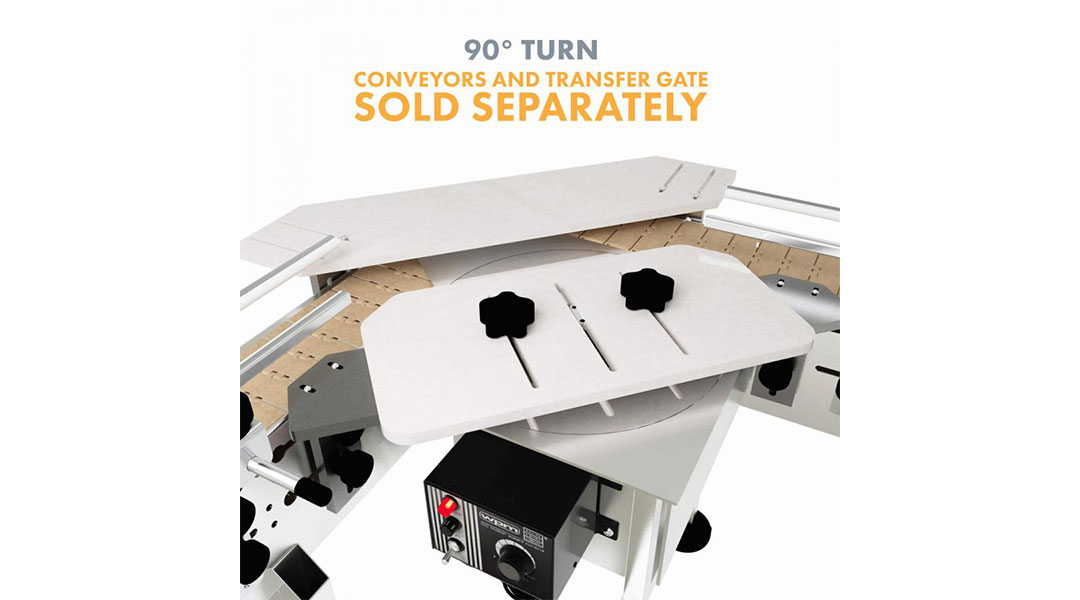
Optimizing efficiency across a production line isn’t about running faster; it’s about running smarter. At GLOBALTEK®, we engineer integrated conveyor and packaging systems that sustain continuous motion, even when individual processes pause. One of the most powerful tools for achieving this balance is accumulation. When correctly designed and placed, accumulation systems absorb fluctuations, prevent slowdowns, and keep every component working in sync. The result is higher throughput, reduced waste, and cleaner, safer production across regulated industries.
Accumulation is not a secondary feature; it’s an integral part of a complete packaging solution. It gives your line breathing room, enabling buffers where products can safely pause while upstream or downstream machinery cycles, adjusts, or undergoes inspection. To build true efficiency, you need accumulation systems designed for precision flow, cleanability, and adaptability to modern production demands.
Maximizing Uptime with Smart Buffer Zones
Uptime starts with design foresight. Smart buffer zones ensure that when one section of your production line pauses for inspection, filling adjustments, or cap replacement, your upstream processes don’t grind to a halt. We evaluate how your facility handles transitions between rotary equipment, fillers, and cappers, and we design accumulation areas to absorb these natural pauses.
Our stainless steel accumulation tables feature smooth, enclosed frames that simplify sanitation while maintaining regulatory compliance for food, beverage, cosmetic, and pharmaceutical lines. We also design for flexibility, operators can reposition modules or reprogram control speeds during shift changes or production schedule adjustments. UL‑certified drives and components ensure consistent performance, protecting uptime while minimizing energy waste. Each table’s role as a “safety buffer” becomes a measurable advantage, transforming what would be downtime into controlled production flow.
Selecting and Sizing the Right Table
Choosing the right accumulation table starts with understanding both your product and your process. The accumulation table conveyor in packaging settings you select can determine how effectively your entire system performs.
Assess product geometry: Start with the largest container dimensions to determine table diameter and belt width requirements. Oversized or irregular containers require greater clearance to avoid contact points.
Plan for peak flow, not averages: The accumulation table conveyor should accommodate the highest volume per minute your line may experience. Designing only for average throughput risks overflow during high‑demand cycles.
Account for floor space and accessibility: Efficient use of floor space ensures operators maintain safe mobility and cleaning crews access every zone easily.
Align with downstream speed: The accumulation area must balance the rate at which upstream machines load product and downstream systems discharge it.
Select modular designs: Our tables are available with removable ring segments for future expansion or adaptation to new SKUs.
Incorporate sanitation priorities: Stainless steel surfaces, sealed bearings, and minimal horizontal joints ensure compliance with USDA and FDA cleanability standards.
Plan for multi‑line growth: When integrated early in the layout, accumulation tables can connect two or more parallel lines without congestion or backpressure issues.
By choosing the right size and style from the start, you prevent jams, save operator time, and maintain steady motion through every phase of packaging.
Synchronizing Conveyors Across Production Lines
Synchronization means every system works in harmony, from induction sealers to labeling stations. Each section of the conveyor must match the performance and pacing of the next. We synchronize motor speeds, guide rail positions, and buffer response times so no product is underfed or overfed to a station.
This precise timing matters in regulated sectors where damage or contamination risk is high. For example, in a nutraceutical line, a few seconds of misalignment can dent containers or compromise label integrity. Our UL‑certified controls link conveyor sections to create continuous flow logic. When a downstream process pauses, sensors and logic controls signal accumulation tables to activate, storing products safely until normal operation resumes. This eliminates stop‑and‑start inefficiency while preserving quality.
Improving Flow Through Strategic Accumulation
Create balanced pressure: Controlled backpressure minimizes friction between bottles, jars, or cartons.
Use curved transitions: Smooth directional changes prevent product clustering during turns.
Implement intelligent drive control: Drives should slow automatically as tables near capacity, protecting both containers and motors.
Ensure adjustable rails: Quick realignment between product sizes keeps flow even without extensive downtime.
Design multiple accumulation points: Two or three buffers strategically placed in a single line provide flexibility during maintenance or cleaning cycles.
Prioritize operator visibility: Open design and guardless zones allow visual confirmation that product is circulating correctly at all times.
These refinements collectively sustain line rhythm and protect throughput during both standard and surge operations.
Reducing Bottlenecks for Higher Throughput
Even the most advanced packaging line can experience bottlenecks. The difference between a temporary delay and a full stoppage often comes down to accumulation design. We identify pinch points early in planning, typically at transitions between variable‑speed equipment or narrow conveyance sections.
By introducing accumulation buffers before and after these high‑pressure areas, we allow upstream processes to continue even when one station slows. For example, if a capper requires maintenance, the accumulation table holds filled containers temporarily, while the filler continues working. Once the capper resumes, the stored products feed forward in sequence, preventing idle time. This proactive buffering is how our clients maintain performance metrics even under unpredictable conditions.
Adjusting Controls for Multi‑SKU Operations
Preset operating modes: Multiple product profiles stored in the HMI allow fast switching during batch changes.
Variable frequency drives (VFDs): These drives provide fine‑tuned control over speed and torque for different weights or materials.
Interlock protection: Built‑in safeguards prevent overloads or improper sequencing if a downstream station halts.
Soft‑start and deceleration: Smooth acceleration protects both mechanical components and fragile containers.
On‑table sensors: Detect accumulation levels and signal conveyors upstream to pause before crowding occurs.
Maintenance recall logs: Automatically record adjustments and speed variations for audit and compliance purposes.
Smart controls make the difference between reactive and proactive operations, ensuring each table performs predictably shift after shift.
Optimizing Line Efficiency with GLOBALTEK® Integration
Made in the USA: Every GLOBALTEK® accumulation system is manufactured domestically at our Miami facility.
UL‑certified components: Our assemblies comply with UL electrical and safety standards, ensuring full system reliability.
Integration‑ready systems: We tailor configurations to fit your layout, throughput targets, and compliance criteria.
Reduced maintenance cycles: Tool‑less design and sealed components shorten service intervals.
Enhanced uptime: Modular sections let teams replace parts without line‑wide shutdowns.
Turnkey partnership: From layout design to installation and ongoing support, we manage every detail to ensure seamless adoption.
Our philosophy is simple: efficiency results from preparation, precision, and partnership.
Discover how our accumulation solutions can transform your production line’s efficiency. Visit GLOBALTEK® Accumulation Tables to explore product options, request a consultation, or start planning your system integration.
Accumulation Table Conveyor Integration Strategies
11/12/2025
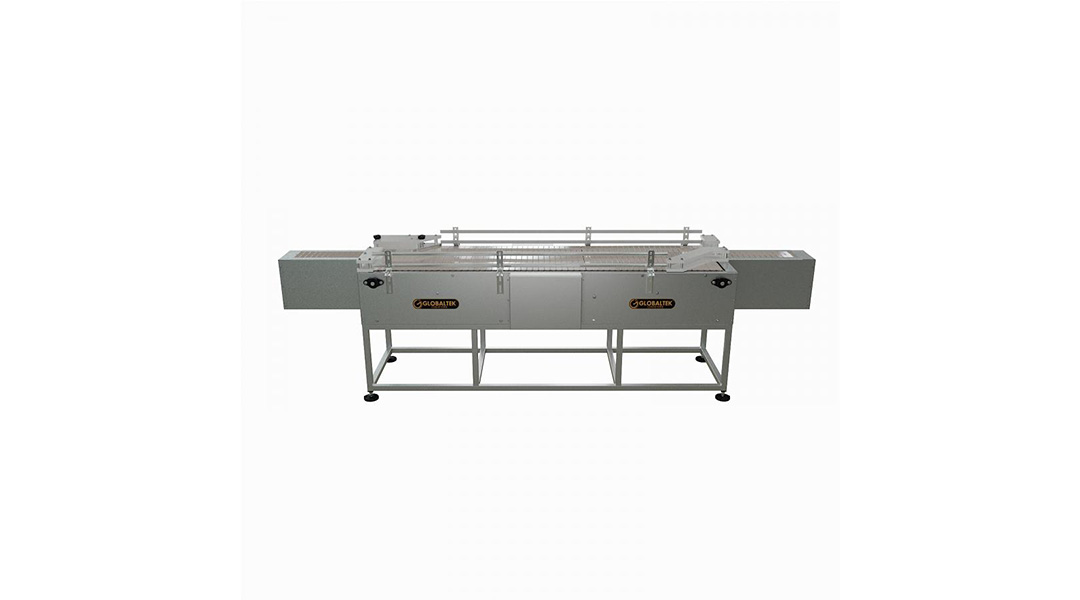
In high-output production lines, efficiency isn’t optional; it’s engineered. One of the most overlooked, yet impactful systems on the floor is the accumulation table conveyor. Whether you’re operating in food and beverage, pharmaceuticals, cosmetics, or nutraceuticals, the integration strategy behind these systems can directly influence uptime, sanitation compliance, and throughput. At GLOBALTEK®, we engineer our accumulation tables to serve as reliable buffer zones between packaging stages, absorbing line fluctuations without compromising safety, speed, or product integrity.
When properly integrated, accumulation tables prevent product jams, reduce equipment downtime, and smooth transitions between rotary tables, fillers, cappers, and inspection stations. But success depends on how these systems are sized, placed, and synchronized with your line’s real-world operational demands.
Optimizing Line Layout for Performance
Every successful integration strategy begins with layout planning. Positioning accumulation tables at the right points (usually downstream of cappers, labelers, and other equipment) helps maintain product flow during interruptions or changeovers. Layout isn’t just about where things fit, though. It’s about how products move, how operators interact with the equipment, and how fast machines recover from stoppages.
At GLOBALTEK®, we take into account production floor geometry, worker traffic, sanitation protocols, and line speed variability when mapping out accumulation table conveyor placements. Our modular equipment configurations allow easy adaptation to space constraints without disrupting production flow. We also use UL-certified control panels and stainless steel frames to ensure compliance with industry sanitation and electrical safety standards.
Buffer zones positioned at strategic transfer points protect against surge events or downtime at a single station. These accumulators are not passive components; they are engineered tools for managing dynamic flow conditions.
Selecting the Right Table Size for Your Products
Sizing your accumulation table in packaging environments correctly is essential for optimizing throughput and protecting product integrity. A miscalculated table diameter or surface area can quickly lead to inefficiencies across your packaging system.
Here are the sizing considerations we prioritize:
Match to product dimensions: Table sizing begins with the largest product length, width, and shape profile to ensure clearance without crowding.
Adapt for peak throughput: Base your table size on peak products-per-minute data (not daily averages) to prevent overflow during production surges.
Consider changeover needs: A table that accommodates multiple SKUs avoids unnecessary downtime when shifting between bottle types or container shapes.
Align with downstream capacity: The accumulation table must hold product without overfeeding rotary fillers, capper machines, or sealers.
Minimize footprint waste: Oversized accumulation tables may interfere with operator flow or other machinery. Our engineers recommend diameter ranges that optimize floor usage.
Use modular expansion: GLOBALTEK® tables are available in adjustable sizes, allowing you to scale storage surface area as your production line grows.
Ensure system compatibility: Every accumulation table conveyor we build is tested against line speed, elevation, and width parameters to ensure synchronization and reduced vibration.
Synchronizing Conveyor Equipment Across Your Line
Synchronization is more than aligning speeds; it’s aligning systems. When conveyors, accumulation tables, and rotary equipment fall out of sync, the entire line becomes vulnerable to jams, backlogs, or mechanical stress.
We address this by designing control schemes that coordinate movement across machines. Using drive synchronization, guided transitions, and integrated PLC logic, we keep packages flowing evenly from start to finish. For regulated industries, synchronized motion ensures sensitive products are never subjected to unnecessary movement or hold times that may impact compliance.
In our stainless steel systems, motorized accumulation tables can pause or resume with downstream logic, preventing excessive pressure buildup at exit points. Timing adjustments and system interlocks keep everything responsive, even during equipment maintenance or line start-up procedures.
Preventing Transfer Errors Between Systems
Efficient production relies on clean product transitions between conveyors and accumulation zones. Our engineering team ensures that every handoff (whether it’s from filler to table, or table to labeler) is smooth and predictable.
We implement the following strategies:
Flush surface transitions: Reducing height differences at transfer points minimizes impact and potential misalignment.
Precision alignment: Mechanical guides ensure cartons, bottles, or pouches stay centered as they move onto the accumulation surface.
Speed-matching motors: Synchronized drives reduce slippage and prevent crowding at exit or entry points.
Custom guides: Adjustable side rails are tailored to different product types, ensuring straight entry into downstream packaging machines.
Dead plate elimination: We replace traditional dead plates with continuous belt or table surfaces to reduce jolts and label shifting.
Quick-clean frame designs: Integrated hygiene zones allow for fast inspection and maintenance between shifts, without disrupting alignment.
Reducing Bottlenecks Through Strategic Buffering
Bottlenecks can quietly drain efficiency from even the most advanced packaging lines. They often emerge at the convergence of product variability, machine speed differences, or insufficient accumulation capacity.
We eliminate these issues by incorporating buffer zones sized for real-world operating conditions, not ideal specs. Our accumulation tables absorb product overflow during downstream slowdowns without forcing upstream equipment to stop.
Our clients in high-speed beverage bottling, for instance, often use dual accumulation tables: one upstream of inspection and another before capping. This approach allows the line to absorb minor delays without shutting down major machinery.
Recirculating accumulation tables are also helpful in reducing mechanical stress on containers. Instead of bunching up, items recirculate gently until the downstream equipment is ready. This helps prevent label damage and keeps pressure-sensitive containers intact.
Customizing Controls for Multiple Product Types
Versatility matters. Most production lines handle multiple SKUs, container types, or packaging formats throughout the day. We build our accumulation table conveyor controls with adaptability in mind.
Pre-programmed recipes: Operators can toggle between pre-set speeds and timing settings for each SKU.
Speed scaling: Variable frequency drives (VFDs) let users adjust motor speeds with precision.
Pressure adjustment: Reduce backpressure for delicate containers using built-in pneumatic or friction-damping systems.
Batch size tracking: Control logic updates buffer volume in real-time, based on batch characteristics.
Remote diagnostics: Troubleshooting features allow for offsite review of settings to minimize technician response times.
Digital touchscreens: Intuitive HMIs give line staff direct access to calibration options without manual toggling or risk of error.
How GLOBALTEK® Elevates Conveyor Integration Results
At GLOBALTEK®, our accumulation tables are more than placeholders between machines. They’re engineered tools that help manage speed variations, support sanitation compliance, and keep products moving with precision. Our accumulation table conveyor systems are made in the USA, UL-certified, and built with FDA-compliant stainless steel to serve regulated sectors like food, pharmaceuticals, cosmetics, cannabis, and nutraceuticals.
We don’t take a one-size-fits-all approach. Every system is tailored to your floorplan, throughput demands, and compliance requirements. With rapid changeover compatibility, tool-less adjustments, and long service life, our systems provide true return on investment.
When you’re ready to increase output without sacrificing accuracy or cleanliness, our team is ready to deliver integrated solutions that scale with your production. Explore more about GLOBALTEK®’s accumulation table lineup here.
Beginners Guide: Avoiding Label Applicator Machine Errors
11/11/2025
For any modern packaging setup to truly hum, label applicator machines play a starring role. Imagine less busywork. Labels go on perfectly straight, every time. This means companies can easily follow all the rules, which is super important for food or medicine. Whether you're producing small amounts or cranking out huge volumes, steering clear of common errors keeps your work flowing and prevents expensive shutdowns.
At GLOBALTEK®, we build automatic label applicator for packaging systems that integrate with your conveyor systems, capper machines, and rotary equipment, delivering consistent performance from container to container. Many new operators and facilities hit the same roadblocks. This beginner's guide points out those frequent errors and then lays out clear, working methods to steer clear of them.
Choose the Right Label Applicator Machine
Getting the machine right is the first step in ensuring efficient, error-free operation.
Match Machine Type to Output Volume:
Manual machines work well for low-volume applications with small production teams.
Semi-automatic units offer a middle ground for facilities with variable volume.
Automatic label applicators are ideal for medium to high-volume production lines and offer integration with other packaging equipment.
Account for Product Geometry:
Oval, cylindrical, or irregularly shaped containers require specific applicator configurations.
Wrap-around or front-and-back systems should match the shape and size of your containers to ensure consistent label placement.
Integration Matters:
Ensure your label applicator machine is compatible with your conveyor speed, floorplan layout, and upstream/downstream equipment.
At GLOBALTEK®, our systems are designed for modular integration with packaging lines to maintain consistency under pressure.
Consider Surface Conditions:
Surfaces that are slick, curved, or have varying textures will require different application methods.
Whether it’s a wipe-on system or vacuum belt application, each machine must be tuned for the surface conditions your product presents.
Choosing the right machine type saves time, avoids rework, and supports scalable operations that meet industry standards.
Check Surface Compatibility Before Application
Your container’s surface plays a major role in label performance. If the substrate and adhesive don’t match, even the most advanced applicator can struggle.
Key Surface Considerations:
Material Types: Glass, PET, HDPE, cardboard, and metal all behave differently during label application.
Coatings and Textures: Glossy, matte, or textured finishes may reject adhesives if not properly matched.
Environmental Conditions: Cold, damp, or high-humidity environments reduce label stick rates.
Test in Real-World Conditions:
Always apply sample labels under your actual production line conditions, including warehouse humidity, temperature, and handling environments.
Simulate storage and shipping conditions to ensure adhesion remains stable throughout the lifecycle of the product.
Match Adhesives to Surfaces:
Water-based adhesives work well for dry, smooth surfaces.
Acrylics may handle damp or cold environments better, but require precise surface cleaning.
Identifying these variables early helps ensure your automatic label applicator for packaging performs consistently across every unit.
Calibrate for Precise Placement
A miscalibrated machine may still “function”, but the results can be expensive. Misaligned labels, wasted rolls, and inconsistent branding are common outcomes.
Calibration Musts:
Align guides, applicator heads, and label sensors before each run.
Double-check the container dimensions in your machine’s software. Being off by even one inch can cause rejection during quality control checks.
Pressure and Speed Settings:
Excessive pressure may crush liners, while insufficient force can lead to incomplete label adhesion.
Calibration should be repeated after any component swap, cleaning, or environmental shift (such as heat changes in the warehouse).
Monitor for Static:
Static buildup from friction can cause label misfeeds. Proper grounding and anti-static measures should be part of every calibration check.
At GLOBALTEK®, we recommend developing a standardized calibration checklist for your operators to follow each shift.
Train Operators on Loading Techniques
Human error during loading is one of the most preventable sources of labeling issues.
Best Practices for Loading:
Stack Label Reels Correctly: Always store and load reels flat to avoid edge damage and warping.
Control Residue: Excess release agent on liner rolls can cause slipping. Wipe down rolls as needed before inserting.
Manage Static During Handling: Gloves, sleeves, and label liners can generate static charge. Instruct operators to ground themselves before handling.
Hands-on Training is Essential:
Provide practical sessions with real equipment.
Rotate operators through loading responsibilities to maintain cross-trained teams.
Use visual markers or guides on the machine to show correct threading paths.
Correct loading reduces the risk of label drift, misfeeds, and downtime due to user error.
Inspect Rollers and Sensors Routinely
Sensors and rollers are the heartbeat of your label applicator machine. When they fail (or even underperform), product consistency suffers.
Key Inspection Points:
Product Sensors: Ensure they detect containers accurately to trigger label application at the correct time.
Label Sensors: Must detect label length and position to prevent early or late dispensing.
Drive Rollers and Belts: Inspect for slack, wear, or misalignment. Even slightly loose rollers can stall labels mid-process.
Sensor Sensitivity:
Reset sensor sensitivity whenever you switch label materials or change formats.
Sensor calibration is critical for transparency-backed labels or clear containers, which may be missed by default sensitivity settings.
A clean, calibrated roller and sensor system ensures your labels land where they’re supposed to, every time.
Maintain Consistent Label Stock Quality
Your labels are a critical variable in the process. Subtle shifts in label material or adhesive properties can cause performance issues even if the applicator itself is flawless.
Sourcing Standards:
Use suppliers who provide precise tolerances for roll diameter, liner tension, and adhesive type.
Verify label die-cut quality; rough cuts can cause peeling or residue buildup on rollers.
Moisture and Temperature Control:
Store label rolls in climate-controlled environments.
Avoid using labels stored in areas with fluctuating humidity, as paper absorbency can alter adhesive bonding.
Mechanical Tension Consistency:
Inconsistent unwind tension leads to label skewing or barcode misalignment.
GLOBALTEK® systems are optimized for label consistency, but poor-quality stock can still throw off feed reliability.
A consistent label stock reduces troubleshooting, supports machine longevity, and keeps your throughput steady.
Schedule Routine Equipment Maintenance
All label applicator machines require upkeep to maintain performance, no matter how advanced.
Monthly Maintenance Tasks:
Clean all sensors and wipe adhesive buildup from rollers using approved cleaners.
Lubricate moving parts, check belt tension, and inspect gear wear.
Preventative Maintenance Plans:
Schedule downtime during shift transitions or light production periods.
Keep maintenance logs so operators can track recurring issues.
Store critical spare parts like rollers, sensors, and belts to avoid delays.
GLOBALTEK® Recommendation:
Set a standing monthly appointment for maintenance, and treat it like a production deadline. Proactive attention prevents unexpected stops in the middle of order fulfillment and ensures your equipment delivers on both speed and accuracy.
Built for Long-Term Success
Avoiding these common errors doesn’t require complicated solutions; it starts with education, consistency, and reliable equipment. At GLOBALTEK®, our label applicator machines are designed to eliminate downtime, reduce rework, and provide clean, compliant labeling across all packaging environments.
Our systems are:
Made in the USA
UL-certified
Engineered for seamless integration with conveyor systems, capper machines, and other packaging equipment
Whether you’re operating a compact food line or a multi-shift pharmaceutical facility, GLOBALTEK® offers the support, service, and systems you need to succeed today and as your operation scales.
Explore our full line of label applicator machines and see how we can help streamline your production: https://www.globaltekconveyors.com/labeling-machine/
Top 7 Label Applicator Machine Mistakes and Solutions Explained
11/10/2025
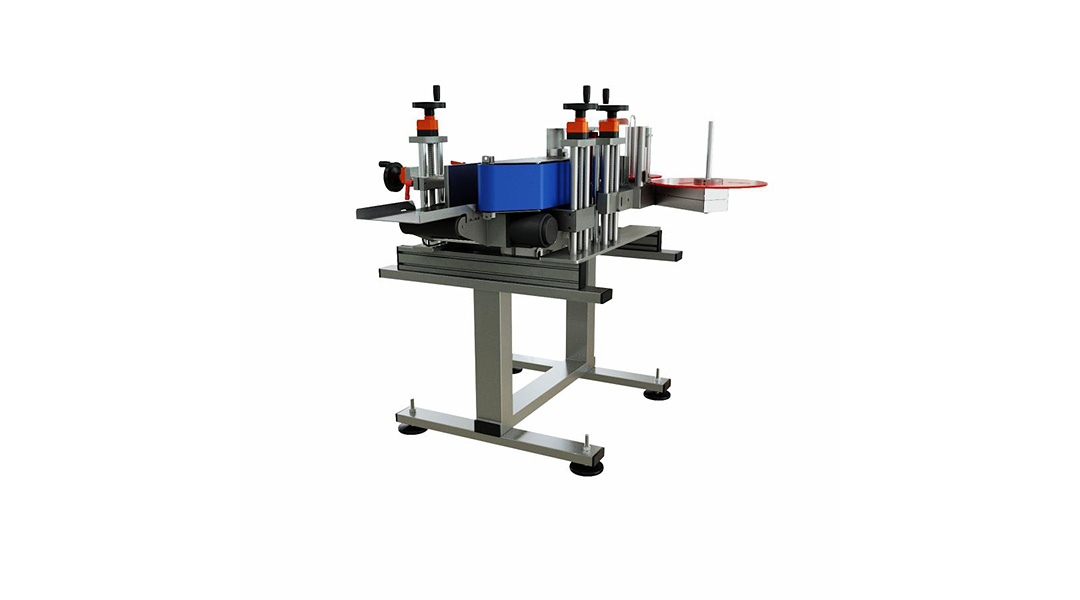
Label applicator machines elevate throughput across regulated packaging environments; yet seven recurring missteps can throttle performance and raise compliance risks. We engineer our equipment to avoid these pitfalls and optimize uptime from the start.
At GLOBALTEK®, we deliver automatic label applicator for packaging systems built in the USA, UL‑certified, and tailored for seamless integration into conveyor systems, rotary equipment, capper machines, and filling lines. This guide outlines both common mistakes and practical remedies, structured in a clear, mixed outline to support real‑world application and usability.
1. Selecting the Wrong Label Size and Shape
Mismatched labels and containers disrupt packaging flow. Curved, tapered, or undersized labels commonly wrinkle or peel when used with standard fixtures
Labels that don’t match container contours (including custom beverage or nutraceutical containers) create misalignment and waste. Uneven application can compromise barcode readability, brand consistency, and consumer trust, especially in regulated sectors where packaging compliance is closely monitored.
Many labeling errors stem from ignoring product geometry; in fact, GLOBALTEK® internal findings show over 30 % of line errors trace back to shape mismatches. These errors often result in rework, product holdbacks, and unnecessary downtime during changeovers.
Solution: Always align label dimensions and shape to the container’s physical structure, considering both horizontal and vertical curvature. Collaborate with your packaging supplier early in the process to request engineering drawings and submit samples for compatibility testing. At GLOBALTEK®, we recommend test label runs to validate fit and function before scaling up to full automation. This helps avoid misfeeds, adhesive failures, and operator frustration across multi-shift production.
2. Ignoring Proper Surface Preparation Steps
Skipping surface prep leads to poor adhesion and system strain. Contaminants or static charge can derail consistent application.
Dust, oil, or moisture left on containers prevents secure adhesion under pressure-sensitive label rollers.
Static charge can cause labels to shift or cling incorrectly just before application.
Temperature extremes compromise adhesive activation, especially in lines with rotary equipment or a capper machine.
Key Action Steps:
Clean surfaces with lint-free cloths or directed airflow.
Use static-dissipating materials or ionizing tools.
Verify ambient conditions align with adhesive specifications for temperature and humidity.
3. Overlooking Machine Calibration Requirements
A misaligned label applicator machine wastes materials and fairness of product presentation.
Even small offsets cause labels to skew or misapply across hundreds of units.
Poor calibration can result in up to an 18 % rise in waste, as reported in manufacturing benchmarks.
Best Practices:
Calibrate application position before each shift.
Train staff to monitor placement metrics and spot drifts early.
Log calibration results and trends to inform maintenance schedules and operational adjustments.
4. Neglecting Operator Training for Efficiency
Operator knowledge gaps are a frequent efficiency sink and a safety risk.
Temperature or humidity variations are often missed, leading to flawed adhesion.
Mishandling label reels or not recognizing die-cut imperfections commonly results in jams.
Surface contamination from bare-hand handling or skipping pre-label cleaning steps drastically increases error rates.
Training Essentials:
Environmental awareness training.
Label roll handling protocols (including temperature acclimation).
Proper cleaning procedures and tools, such as air knives.
Shared, documented refreshers to reinforce daily safety and efficiency best practices.
5. Skipping Routine Cleaning and Maintenance Tasks
Routine maintenance extends equipment life and consistency.
Adhesive buildup on rollers leads to slipping labels or offset placements.
Dirty prints from unclean print heads (if using inline coding), cause smears or fading.
Dust accumulation in packaging equipment compromises sensors and mechanical function.
Maintenance Framework:
Weekly:
- Wipe sensors and roller surfaces with equipment-safe cleaners.
- Avoid scraping or using harsh tools.
Monthly:
- Conduct deep cleaning of thermal printers or print modules.
- Inspect liners and peel tips.
- Use compressed air for dust removal.
GLOBALTEK® systems are designed with easy access and cleanability to support rapid maintenance without full-line disruption.
6. Using Incompatible Labels or Adhesive Types
- Label-adhesive mismatch is a primary cause of jams and quality defects.
- Humidity-sensitive adhesives peel under damp conditions.
- Rigid or overly flexible materials misfeed in automated systems.
- Poor conversion quality (such as rough die edges) causes label residue and misfeeds.
Ensure Compatibility by:
- Confirming label and adhesive specs match your facility’s climate.
- Running pilot tests with proposed materials.
- Requiring high-quality die-cut conversion and release-liner performance.
7. Failing to Monitor Production Line Speed Consistency
Line speed variability cascades through the applicator, causing label misplacement and production halts.
Slight conveyor speed deviations cause labels to shift mid-application, especially in high-throughput lines where even fractions of a second matter. That creates downtime, manual correction, and inefficiency that ripple across the entire shift.
According to internal reviews, poor synchronization accounts for over 20 % of labeling disruptions in food and pharma lines. These slowdowns often lead to unplanned maintenance, packaging waste, and increased overtime costs to meet fulfillment deadlines.
Mitigation Strategy:
Synchronize the applicator with conveyor throughput targets, especially when labeling is paired with rotary equipment or inline filling machines.
Use engineered solutions matched to actual production rates; not generic, inflexible models. At GLOBALTEK®, our team designs label applicator machines around the realities of each facility’s line speed and spacing requirements.
Regularly validate speed alignment during shift changes or after machine recalibration. A mismatch of just 5–10% in conveyor speed can throw off label placement accuracy, causing cascading issues in downstream inspection or capping systems. Line speed monitoring isn’t optional; it’s a core part of long-term system performance.
Partnering with GLOBALTEK®: Reliability Built In
At GLOBALTEK®, we help manufacturers eliminate common label applicator pitfalls with system design rooted in engineering excellence. Our solutions offer:
American-made, UL-certified builds tailored to regulated industries
Full integration into conveyor systems, capper machines, rotary equipment, and liquid filling lines
Built-in serviceability, cleanability, and manual access for floor adaptability
Partnership-oriented support calibrated to your floorplan, throughput needs, and compliance standards
By avoiding the top seven mistakes and applying engineered remedies, labeling integrity, safety, and uptime become measures you can exceed, not hope to reach.
Discover how GLOBALTEK®’s full line of label applicator machines fits into your production, and elevates both performance and compliance on your packaging floor: https://www.globaltekconveyors.com/labeling-machine/
The Ultimate Guide to Safe Label Applicator Operation
11/07/2025
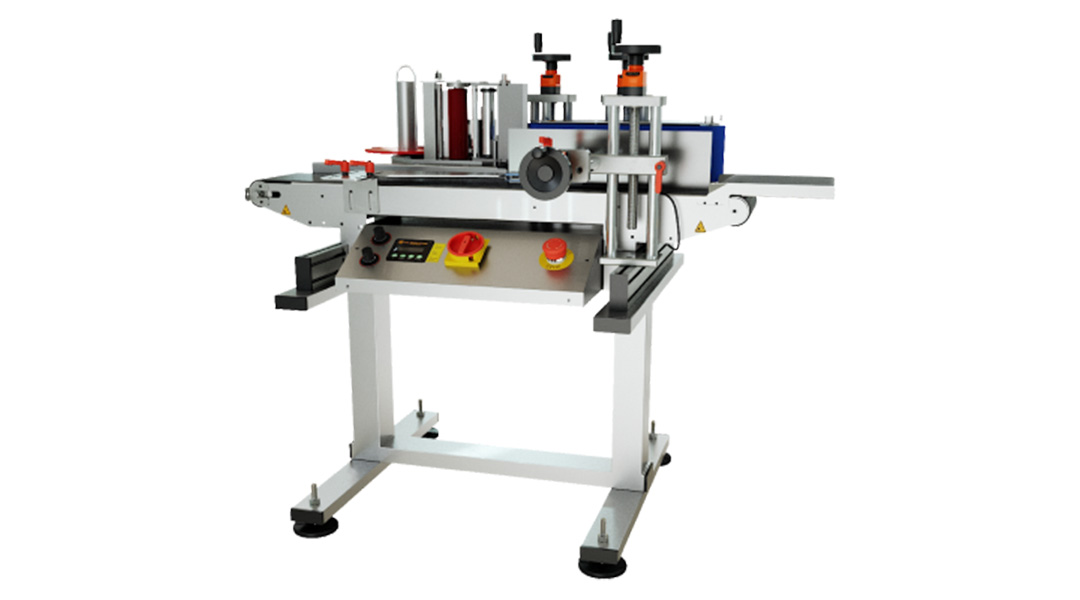
Using label applicators safely makes a big difference in regulated packaging spots. Everything runs like clockwork, following standards and keeping the team out of harm's way. Whether you’re labeling pharmaceutical bottles, nutraceutical containers, or food jars, your line’s reliability starts with proper training, inspection routines, and machine selection.
At GLOBALTEK®, we engineer and manufacture labeling equipment that integrates seamlessly with your existing production line. Let's talk about keeping your label machines running perfectly. We'll share the best ways to operate them without problems, cutting delays and helping you label more products, faster.
Choose the Right System for Your Line
The first step toward safe, effective labeling begins with choosing the right system for your facility’s layout and production goals. Not all labeling machines serve the same purpose, and aligning machine design to product geometry is essential.
Match Equipment to Output Scale: A small-scale producer labeling 200 units per shift may benefit from a semi-automatic model. Larger manufacturers running tens of thousands of units daily require fully integrated machines that apply labels at high speed with consistent placement accuracy.
Select Labeling Style: Consider wraparound systems for cylindrical bottles, flat-surface applicators for boxed goods, or corner wrap systems for tamper-evident packaging.
Verify Integration Specs: Your label applicator must align with conveyor height, direction, and spacing. GLOBALTEK® systems are built to integrate across rotary equipment, conveyor systems, and capper machines.
Plan for Space and Maintenance: Always assess your available footprint and access points for cleaning, service, and label roll replacement.
Prioritize Support and Compliance: UL-certified builds and domestic support services give your operations the reliability and traceability needed for regulated markets.
Working with an engineering partner like GLOBALTEK® allows you to select the automatic label applicator for packaging that matches your floorplan, output goals, and compliance standards.
Selecting a Label Applicator Machine with Safety in Mind
Choosing the right label applicator machine isn’t only about output; it’s also about safety. Machines that are mismatched to your packaging line can introduce hazards and misfeeds.
Look for clear guarding and labeling on moving parts
Ensure emergency stop buttons are within reach of all operator positions
Confirm that the applicator includes standard safety features like overload protection and sensor error alerts
Evaluate materials: GLOBALTEK® uses stainless steel frames for durability, cleanability, and contamination control
By investing in the right label applicator machine upfront, you’re protecting both your workforce and the integrity of your packaging workflow.
Inspect Equipment Before Every Shift
Routine pre-shift inspections are one of the simplest ways to prevent accidents and reduce defects. A visual and functional equipment check helps you detect mechanical issues before they lead to downtime.
Clean Camera Lenses and Sensors: Ensure inspection lenses and sensors are free of debris. Clean visibility ensures barcode validation and print accuracy.
Check Roller Tension and Label Guides: Misalignment in guides or tension arms can cause labels to skew or peel improperly during application.
Inspect Mounting Hardware: Look for loose fasteners, worn belts, or unseated cables that could disrupt performance.
Review Sensor Settings: Sensors should be calibrated to detect product size, label length, and speed settings correctly before startup.
GLOBALTEK® recommends a 3-minute inspection protocol per shift to catch minor issues before they impact safety or quality.
Train Operators in Safe Practices
A well-trained team is your first defense against accidents. Operator error is often the root cause of label jams, product misfeeds, and unsafe handling.
Personal Protective Equipment (PPE): Train all operators on the required use of gloves, safety glasses, and protective footwear. Cut-resistant gloves are essential when adjusting rollers or loading labels.
Hands-on Machine Familiarity: Every operator should understand loading zones, emergency shutoffs, and manual overrides. Simulation training reduces response time during real incidents.
Reinforce Compliance Protocols: Training must include OSHA-aligned best practices and regular updates on machine usage. Documented refreshers help retain skills.
At GLOBALTEK®, we encourage ongoing training as part of our installation support for packaging equipment, so your team can operate confidently and safely.
Wear Safety Gear During All Labeling Tasks
Production lines are fast-paced, and even routine label changes can pose risks. Proper safety gear is non-negotiable.
Gloves: Wear cut-resistant gloves when handling sharp label rolls or when accessing rotary equipment for maintenance.
Safety Glasses: Protect your eyes from adhesive splatter or dust, especially during cleaning cycles.
Steel-Toe Footwear: Conveyor systems and pallets in motion present trip and crush risks. Wear reinforced shoes in all production zones.
This gear supports both employee safety and regulatory inspection readiness.
Keep the Labeling Zone Clean and Organized
Cleanliness impacts everything, from equipment life span to operator safety. A cluttered labeling zone can lead to trips, misfeeds, or wasted product.
Store wrenches, adhesives, and cleaners in designated bins, never on the machine
Remove loose labels and scrap immediately to avoid slips and jams
Wipe spills as soon as they occur to meet safety and audit standards
Conduct a 2-minute “zone reset” every hour to maintain order
Our systems are designed for easy access and cleanup, supporting efficient operation even under high-speed, high-volume conditions.
Address Label Jams Safely
Label jams slow down your line and can damage both product and equipment if handled incorrectly. Safe jam resolution must be part of every operator’s training.
Stop the Line First: Never reach into a running label applicator. Use the emergency stop, then remove labels with caution.
Clear Visible Jams Only: Avoid forcing rollers or pulling aggressively. Doing so may tear label backing or displace tracking sensors.
Inspect Track Before Restarting: Double-check rollers and guides for stuck adhesive, torn strips, or missing labels before restarting.
Many GLOBALTEK® machines use stainless steel frames that simplify cleanup and withstand repeated stops without loss of alignment or speed.
Schedule Routine Maintenance Checks
Preventive maintenance reduces unplanned downtime and extends the lifespan of your packaging equipment. A few minutes each week can translate into hours saved across monthly production.
Weekly Tasks:
- Wipe down optical sensors
- Check belt and gear tension
- Confirm torque on fasteners
- Clean thermal printheads if applicable
Monthly Tasks:
- Deep clean with approved degreasers
- Replace worn rollers or belts
- Review operating logs for error frequency
- Inspect all interface points with conveyor systems
Maintain a parts kit with rollers, cleaners, belts, and sensor components. When something fails mid-shift, quick swaps prevent full-line stoppage.
Partnering with GLOBALTEK® for Safety and Efficiency
At GLOBALTEK®, we understand the demands of regulated production environments. Our label applicator machines are engineered to prioritize safety, precision, and integration; built from stainless steel, UL-certified, and manufactured in the USA.
From liquid filling equipment to capper machines and rotary tables, our packaging equipment supports consistent, compliant output with minimal risk and maximum uptime. We work with your engineers and production managers to design systems that meet your floorplan and scaling goals.
By following these best practices for safe operation (and pairing them with the right automatic label applicator for packaging), your facility can meet today’s volume needs while preparing for tomorrow’s growth.
Explore GLOBALTEK®’s complete line of labeling equipment here: https://www.globaltekconveyors.com/labeling-machine/
The Ultimate Guide to Motorized Rotary Table Operation
10/10/2025
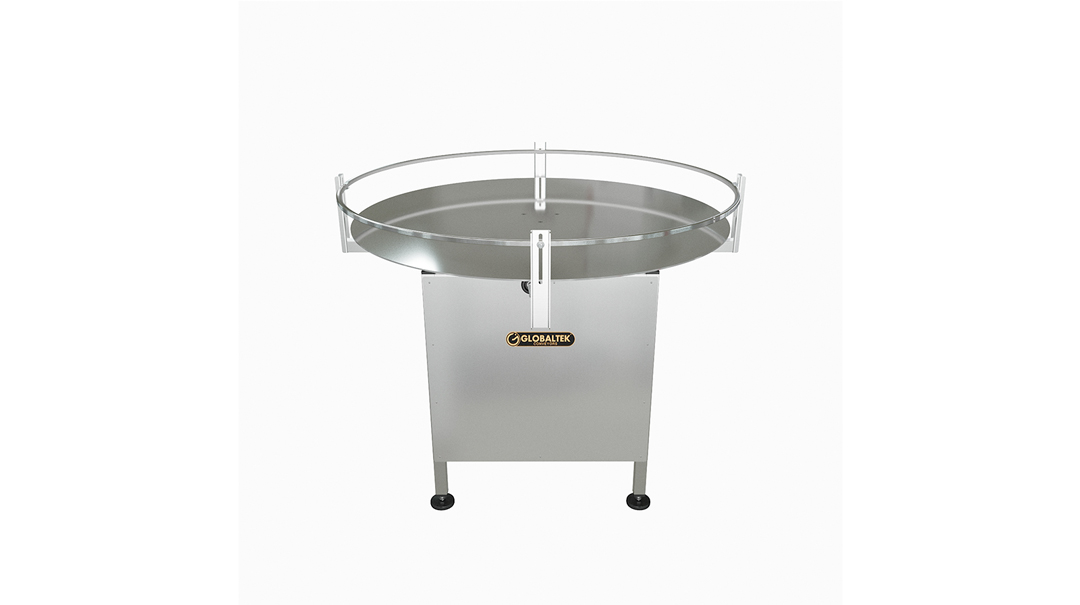
Motorized rotary tables drive efficiency in automated production by providing high-precision positioning at a reasonable cost. Their dependable motion control makes them suitable for repetitive indexing tasks, with dwell periods that can extend from fractions of seconds to several hours based on project needs. Pairing cam indexers with programmable servo options gives operators flexible control. You can choose precise, single-step movements or continuous work over 1,000 cycles a minute.
To get more done and keep things spot-on, it all starts with picking the right motorized rotary table for your exact job.
Choosing the Best Motorized Rotary Table
Selecting the right motorized rotary table for your automation needs comes down to more than just price or size. You will want to first consider how you plan to use it on your line, whether a cam indexer with smooth, repeatable motion fits best, or if a programmable servo model is needed for different patterns and high-speed tasks.
For many bottle-filling lines using automation with rotary tables, precision in positioning makes all the difference in output quality and consistency. If you require fast indexing, like rotating 90 degrees in only 0.25 seconds, or long dwell times between movements, a zero-backlash servo-driven design gives precise control without lag.
Key factors include calculating moment of inertia, ideal indexing angles, cycle time per station, and expected dwell periods. These specs ensure any custom-built solution performs reliably day after day with minimal downtime required for maintenance or changeovers. At GLOBALTEK®, we bring experience sizing each unit exactly for your floor space and load requirements so that integration stays seamless from start-up through routine production shifts.
Essential Safety Tips for Operators
Motorized rotary tables provide essential automation but come with safety responsibilities. Following proper procedures protects both people and production.
Complete Pre-Operation Safety Checks: Before starting a motorized rotary table, inspect every component for signs of damage or unusual wear. Check that all guards are secure, wiring is intact, and emergency stops function as intended to comply with OSHA 1910 standards.
Wear Appropriate Personal Protective Equipment (PPE): Operators must always use PPE such as gloves, eye protection, and closed-toe shoes during setup or operation tasks involving moving parts. Training should include not only the equipment's functions but also clear instructions on PPE selection specific to your process risks.
Maintain Continuous Operator Awareness: Even automated systems require focused attention from operators throughout each shift due to unexpected jams or load changes that may occur at any time in line operations. Encourage communication between team members so issues can be noticed early, before they cause injury or unnecessary downtime, according to ANSI B11 Series guidelines.
Setting Up Your Rotary Table Correctly
Setting up your motorized rotary table starts with exact placement and alignment. Use a high-precision dial indicator to ensure the centerline of the table is perfectly parallel to your conveyor's axes. This is essential for precision-focused, multi-axis operations and tight tolerances.
Make adjustments in small increments until all planes match; even a fraction of a millimeter off can affect repeatability across hundreds or thousands of cycles.
Always calibrate rotational accuracy using an angle gauge before connecting power or controls. We recommend verifying that all mounting hardware fits flush against our 304 stainless steel surface so there are no vibrations during heavy runs, minimizing risk for costly rework down the line. By following these simple but strict steps at setup, you protect product consistency while unlocking true automation potential on any production floor.
Maximizing Automation in Daily Operations
Integrating a motorized rotary table lets you automate material flow and boost your output. Automation transforms everyday tasks into predictable, efficient routines with fewer manual adjustments.
Automating bottle accumulation or unscrambling through our rotary tables reduces stoppages that slow the entire line. One operator can manage multiple stations thanks to integrated controls and dependable start-stop functionality.
Pairing UL-certified motors like Bodine models with digital sensors helps ensure consistent timing for fills, caps, or inspections across shifts. Most plants report up to 30% higher throughput after installing automation-ready units in handling zones.
Automated adjustment features give production managers flexibility during changeovers on busy lines producing several SKUs per day. Our stainless steel designs resist wear even under frequent operation, translating into steady performance month after month when uptime matters most.
Maintenance Habits to Boost Longevity
Developing consistent maintenance habits is critical for getting the most out of any motorized rotary table. We recommend monthly inspections to catch signs of wear in moving parts, such as bearings and seals, which can prevent unplanned downtime or safety incidents.
A recent industry study shows that routine lubrication reduces component friction by 40%, directly extending machine life.
Regular cleaning also keeps dust and debris from affecting sensors or GLOBALTEK®-certified wiring. This straightforward habit preserves both performance and compliance. Monitoring speed controls ensures your automation stays accurate; even small calibration errors will impact efficiency over weeks of operation.
By logging each service check, you create not only peace of mind but a data trail that helps us quickly diagnose future issues together if they ever arise.
Troubleshooting Common Performance Issues
Even well-built motorized rotary tables can run into simple but frustrating hiccups. You'll often notice slow performance, inconsistent rotation, or electrical interruptions before production is truly affected.
If your rotary table's speed drops below optimal RPMs, check for mechanical resistance in the turntable bearings and drive system. Use a load cell or digital dynamometer to confirm torque output aligns with specifications.
Irregular motion or jerky operation usually points to either unbalanced loads on the tabletop or issues within the control circuitry. Our UL-certified motors are designed for reliable delivery of steady force. If readings fluctuate significantly, verify all connectors and ensure no objects obstruct movement along edge guides.
Sudden stoppages may owe more to sensor misreads than actual component failure. Confirm tachometers show correct RPM during troubleshooting. Advanced DAQ setups will flag even momentary voltage drops as root causes so you can address them quickly.
Improving Precision with Digital Controls
Enhanced Positioning Accuracy: Digital controls on a motorized rotary table allow for precise angle adjustments with very fine increments. With these settings, you can consistently repeat exact positions across production batches and jobs. There's virtually zero backlash due to the roller and cam rolling transfer system during operation.
Consistent Repeatability Over Time: The preloading design in digital-driven tables maintains optimal gear engagement, so accuracy isn't lost even after countless cycles. This consistency ensures your processes deliver uniform quality throughout extended runs without requiring manual realignment or recalibration between tasks.
Simplified Automation Integration: With programmable digital interfaces, integrating rotary tables into automated manufacturing flows becomes straightforward and efficient. The ability to control rotation sequences via CNC reduces setup errors while maximizing throughput by speeding up positioning operations compared to traditional hand-crank models.
Motorized rotary tables simplify product accumulation and streamline workflow in regulated production environments. By integrating GLOBALTEK® UL-certified, Made in the USA solutions, we gain precise control over speed, load capacity, and sanitation standards.
Our robust engineering reduces downtime while supporting FDA compliance for food, beverage, pharma, or cosmetics lines. For a seamless fit with conveyors or packaging equipment engineered to your unique operation, trust our experience serving complex manufacturing needs nationwide.
Precision Built-In: Motorized Rotary Table Strengths & Safety Considerations
10/09/2025
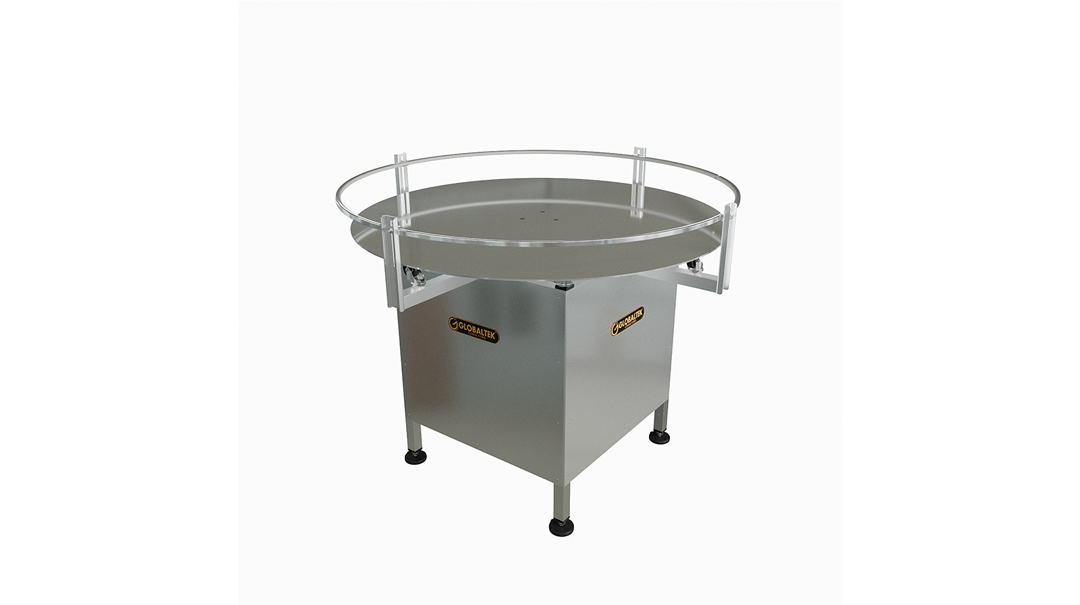
GLOBALTEK® motorized rotary tables are engineered not just for continuous performance but for precision control with rotary tables that maintain safety, reliability, and production flow in regulated industries. From accumulated buffering to product flow transitions, our stainless‑steel enclosed‑frame rotary tables are built to integrate (securely and seamlessly) with Conveyor Systems, Capper Machines, Rotary Equipment, and the rest of your Packaging Equipment line.
Below, we outline the design advantages, safety best practices, and key considerations that help you get maximum uptime and performance, while minimizing risk. With the right approach, you protect both your people and your product, and scale your output with confidence.
Strengths of GLOBALTEK® Motorized Rotary Tables
GLOBALTEK®’s rotary table design incorporates features that reduce exposure to hazards and improve overall line stability. These product advantages set a high standard for safety and performance.
Enclosed‑frame and stainless‑steel construction helps prevent unintended contact with moving components. The enclosed frame design also aids in sanitation & robust durability.
UL‑certified components ensure compliance with electrical and safety standards from the ground up.
Adjustable leveling pads, guide rails, and disk thickness provide precise alignment and reduced vibration. These limit wear, keep load distribution stable, and lower the risk of parts fatigue.
Bidirectional rotation capability and speed control (0‑8 RPM in many models) let operators match table motion to surrounding conveyors, reducing sudden motion mismatches.
These built‑in attributes form the foundation of safety and performance. But like all engineered equipment, their benefit depends on proper setup, operation, and routine care.
Best Practices: Enhancing Safety Through Operation & Procedure
Even with strong design, adopting solid safety routines elevates GLOBALTEK® rotary table performance and preserves your investment.
Ensure Proper PPE Usage: Use close‑fitting gloves, safety glasses, and avoid loose clothing or jewelry near rotating parts. While the enclosed frame reduces exposure risk, PPE adds another layer of defense.
Secure Workpieces & Fixtures: Before table operation, containers or products should be locked in using clamps or custom fixtures. Loose items (especially odd shapes or those with free liquid) introduce imbalance or risk of being thrown outward during rotation.
Test Emergency Stop Functions Regularly: GLOBALTEK® rotary tables are supplied with standard E‑stop features. Weekly testing to verify immediate shutoff, checking backup power, and ensuring clear access to E‑stop buttons are essential to maintain functional safety.
Keep Hands Clear & Use Lockout/Tagout (LOTO): Maintenance, cleaning, or setup should be done only with power off, locked out. Enclosed designs help reduce inadvertent contact, but operational discipline around lockout/tagout is still vital.
Inspect Wiring and Connectors: UL certification ensures parts meet standards, but environmental factors like dust, moisture, and vibration can degrade connections. Periodic checkups keep electrical safety high and minimize fire, shock, or failure risk.
Monitor Noise, Vibration & Movement Smoothness: Elevated noise, shakes, or uneven motion often signal mechanical wear, bearings, imbalance, or loose components. Catching these early prevents damage to disks, guide rails, or drive mechanisms.
Application & Integration Considerations
To fully benefit from GLOBALTEK® enclosed frame rotary tables, you should evaluate how the equipment fits into your broader production environment.
Match Table Motion to Conveyor Speed: Consistency between rotary table speed and conveyor throughput prevents line backups or pressure points. Adjust bidirectional speed settings so flow remains smooth and synchronized with upstream and downstream processes.
Plan for Maintenance Access: Enclosed frames are hygienic and reduce exposure, but you still need accessible access panels for cleaning, gasket replacement, guide‑rail adjustments, sensor checks, and motor inspections, especially in multi-shift operations.
Environmental Match: Stainless steel performs well in wash‑down, food, pharma, and other regulated environments. Consider ambient temperature, humidity, dust levels, and any sanitation protocol requirements during installation.
Power Supply Compatibility: Verify voltage, amperage, and grounding requirements align with your facility’s standards to prevent electrical conflicts or performance fluctuations over time.
When properly integrated into your existing packaging line, a GLOBALTEK® motorized rotary table enhances line flow, reduces handling touchpoints, and contributes to both safety and efficiency from day one.
How GLOBALTEK® Supports Safer Usage
We don’t believe safety is just about warning labels or PPE. GLOBALTEK® takes a system‑wide view, ensuring our rotary tables bring features and support that reduce risk and increase reliability.
Made in the USA and built from 100 % UL‑certified components, it ensures consistent safety and quality control across every unit.
Disk thickness of 1/8” (11 gauge) stainless steel and robust frame designs resist deformation or wear over long cycles, even in high-throughput environments.
Adjustable leveling pads and guide rails help maintain balance and reduce vibration. An aligned load means less mechanical stress, fewer failures, and smoother performance across product transitions.
Controlled drive motors (e.g., Bodine DC drives) provide smooth, predictable motion, helpful both for performance and safety margins.
All rotary tables are designed for quick-change adaptability, allowing fast alignment with evolving production demands without compromising operator safety or throughput efficiency.
Safety Culture: Training, Documentation & Continual Improvement
Even the best equipment underperforms without a safety culture that supports it.
Provide hands‑on training on startup/shutdown, load alignment, guide‑rail adjustments, and emergency procedures. Include training refreshers during quarterly safety reviews.
Maintain standard operating procedures (SOPs) visible at each rotary table station to reduce guesswork and ensure protocol consistency.
Log inspections (electrical, mechanical, safety features) to detect trends before failures occur. These logs also support audit compliance in regulated industries.
Encourage operator feedback when something feels off: noises, loosening, vibration. Create a simple reporting mechanism so concerns are addressed quickly, not ignored.
Recognize proactive behavior during team meetings or safety audits to reinforce safe practices as a performance standard, not just a checklist item.
Fostering this kind of environment reduces downtime, improves system lifespan, and empowers operators to contribute directly to line safety and performance.
Built for Demanding Environments. Backed by Smart Engineering.
GLOBALTEK® rotary tables are more than motion devices; they’re engineered tools designed for precision control with rotary tables that deliver safety, reliability, and consistent integration with your Packaging Equipment line. With enclosed stainless steel frames, UL‑certified components, adjustable features, and controlled motion, these tables are built to perform under demanding conditions.
When combined with disciplined operation (proper PPE, secure fixtures, emergency protocols, regular maintenance, and a safety‑first mindset), you get peak output, reduced downtime, and confident compliance in industries that can’t afford surprises.
Explore GLOBALTEK®’s Enclosed Frame Motorized Rotary Tables and find the model that fits your line with precision and safety: https://www.globaltekconveyors.com/accumulation‑tables/rotary‑tables/enclosed‑frame/
Introducing Sleeve-It: Precision Tamper-Evident Banding for Seamless Packaging
05/30/2025
%20(1).png?1748612040105)
Introducing Sleeve-It: Precision Tamper-Evident Banding for Seamless Packaging
At Globaltek®, we understand that efficiency, precision, and reliability are non-negotiable when it comes to packaging solutions. That’s why we’re proud to introduce Sleeve-It, our latest innovation in shrink labeling and tamper-evident banding technology.
What is Sleeve-It?
The GLOBALTEK® Sleeve-It Tamper-Evident Band Applicator is designed to meet the growing demand for fast, reliable, and precise shrink sleeve applications. Whether you need neckbanding or full-body sleeves, Sleeve-It ensures seamless integration into your production line while maintaining high-speed performance—up to 120 bottles per minute.
Why Choose Sleeve-It?
Speed & Efficiency – Minimizes downtime with quick and easy setup.
Precision Cutting – Pneumatic cutting blade with sensors for registration cutting.
Real-Time Monitoring – Low film sensor with stack light for immediate alerts.
Versatile Applications – Supports tamper-evident banding and full shrink sleeves.
Customizable Options – Available with vertical perforation, anti-static bars, motorized height adjustment, and more.
Designed for the Demands of Modern Production
Built with a stainless-steel frame, the C-Frame design of Sleeve-It allows effortless integration into existing bottling lines, making it a must-have for industries ranging from food & beverage to pharmaceuticals.
Whether you're looking to enhance product security or improve consumer convenience, Sleeve-It delivers. Its optional vertical perforation feature ensures easy-to-tear sleeves, enhancing the end-user experience.
Experience the Globaltek Difference
As a company dedicated to pushing the boundaries of what’s possible in automation, Globaltek® invites you to explore the future of packaging with us. Contact our team today to learn how this innovative system can transform your production line and keep you ahead in an ever-evolving industry. Each of our machines is backed by Globaltek®’s promise of quality and exceptional customer support, ensuring you’re not just investing in automation but in a partnership designed to help your business thrive.