Critical Overflow Filling Risks Facing Manufacturers in 2026
03/28/2026
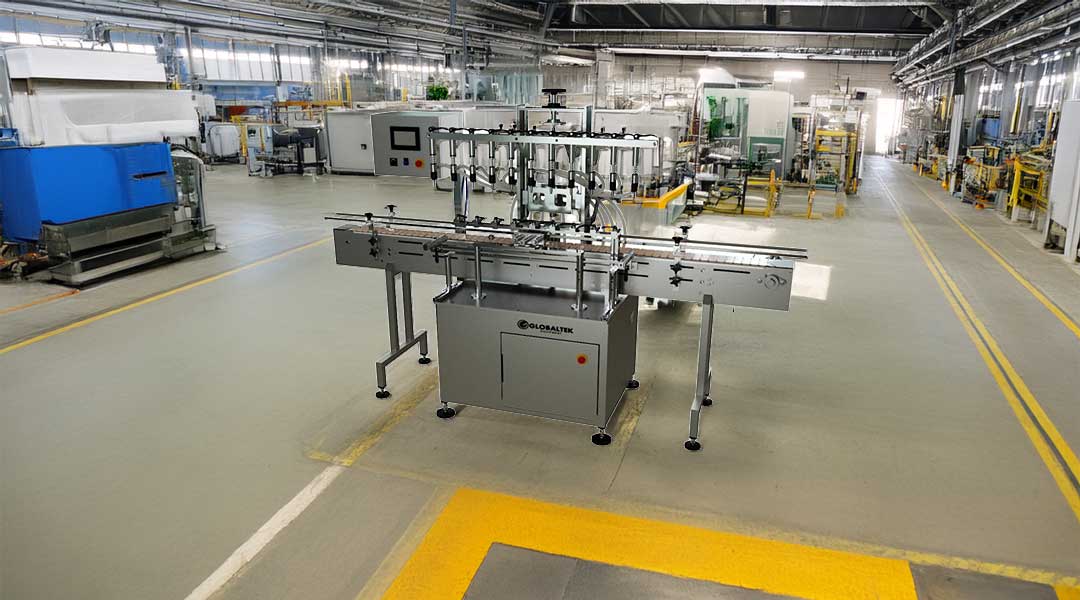
Overflow filling introduces operational considerations for manufacturers using liquid packaging systems. Initial investment remains a major factor when planning new high-speed lines, especially as material and automation costs continue to evolve.
You also need to plan maintenance intervals that support uptime while keeping production schedules consistent. Regulatory expectations across FDA- and USDA-regulated industries require structured processes throughout filling, capping, and conveyor operations.
Older rotary tables or capper machines may require adjustment when integrating new systems into existing floor plans with limited space. This makes early planning essential when aligning new equipment with legacy layouts.
As a result, alignment between fillers, conveyors, and product characteristics plays a key role in maintaining consistent output and minimizing variation across production runs. Equipment upgrades also require careful planning so new components integrate smoothly with existing systems.
At the same time, efficiency and waste reduction remain central considerations as facilities continue to refine production strategies. Initial investment remains a key factor when evaluating automated packaging systems.
High Initial Capital Expenditure
The cost to invest in new overflow filling lines continues to influence equipment selection decisions. Manufacturers are evaluating how Packaging Equipment and automation align with production goals in 2026.
It can be challenging to balance equipment requirements with long-term output planning. Investment decisions often depend on how well systems integrate with current operations and support consistent performance over time.
For liquid filling operations, the cost of implementing advanced liquid filling equipment for packaging is a factor that must be evaluated alongside throughput, maintenance, and system compatibility. Equipment must not only perform but also fit within space, labor, and operational constraints.
Capital planning also involves understanding how each system contributes to long-term efficiency. When equipment aligns with production needs from the start, it reduces the need for frequent adjustments or costly reconfiguration later.
Maintenance and Downtime Challenges
Maintaining high-output packaging systems requires structured service planning and consistent upkeep. Complex production lines increase the importance of coordination between Liquid Filling Equipment, Conveyor Systems, and Rotary Equipment.
Rising System Complexity: Integrating multiple systems increases the importance of alignment across components. Small inconsistencies can affect overall line performance if not addressed early, especially when multiple machines rely on synchronized movement.
Spare Part Coordination: Replacement parts must be readily available to support maintenance schedules and minimize interruptions during operation. Delays in part replacement can extend downtime and affect production continuity.
Technical Skill Requirements: Maintenance teams benefit from familiarity with system configurations to support efficient troubleshooting and repair. Proper training ensures that small issues are corrected before they impact larger sections of the line.
Consistent maintenance planning supports predictable uptime and helps extend the usable life of key components across the packaging line.
Regulatory Compliance and Safety Considerations
Regulatory requirements across the United States continue to shape how manufacturers operate packaging lines. Facilities using liquid filling systems and conveyors must align processes with established guidelines.
FDA Compliance Requirements: Regulatory frameworks require consistent process control across production stages, including filling, labeling, and packaging. Clear procedures support repeatable outcomes.
Operational Consistency: Maintaining documented procedures supports audit readiness and ensures that production steps remain uniform across shifts and product runs.
Standard Alignment: Coordination between federal and state-level expectations reinforces the need for stable production practices and consistent equipment performance.
GLOBALTEK® systems are designed to support compliance through cleanable surfaces, consistent construction, and integration-ready layouts that align with regulated environments.
Integration with Existing Systems
Integration with existing systems remains essential for maintaining consistent operation across packaging lines. Proper alignment between Packaging Equipment, Conveyor Systems, and Liquid Filling Equipment supports predictable performance.
System Compatibility: Equipment must align mechanically and operationally with existing conveyors and downstream systems such as Capper Machine and Rotary Equipment setups. This ensures smooth product transfer.
Process Coordination: Consistent timing and product movement between systems help maintain a steady flow. When each component works in sync, the line operates more efficiently.
Scalable Design: Modular system design supports adjustments as production requirements evolve without requiring full system replacement. This allows facilities to expand without disrupting current operations.
Well-planned integration reduces friction between systems and supports steady production across all stages.
Product Compatibility and Quality Control
Product characteristics influence how an overflow filling machine performs across different applications. Maintaining compatibility between product, container, and equipment supports consistent results.
Material Consistency: Variations in container materials or closures can affect flow behavior and fill performance. Stable materials support predictable operation.
Cross-Compatibility Considerations: Switching between packaging formats requires proper adjustment of Conveyor Systems and Capper Machine alignment. This helps maintain consistency across product lines.
Process Stability: Consistent setup and cleaning routines support repeatable fill performance across production runs. Stability reduces variation between batches.
Verification Procedures: Routine checks during changeovers help maintain consistent output and reduce variation before full production resumes.
Maintaining compatibility across materials and systems supports consistent quality across all packaged products.
Technological Obsolescence and Upgrades
Equipment lifecycle planning is an ongoing consideration for manufacturers operating overflow filling systems. As production requirements evolve, systems must remain adaptable.
Equipment Lifecycle Management: Packaging systems require periodic evaluation to ensure alignment with current production needs and performance expectations.
Upgrade Planning: Equipment upgrades should integrate with existing systems without disrupting established workflows. Planning ahead supports smoother transitions.
Operational Continuity: Maintaining compatibility between legacy and newer equipment supports stable long-term performance and avoids unnecessary downtime.
Careful upgrade planning ensures that new systems enhance performance without introducing disruption.
Environmental and Sustainability Considerations
Efficiency and resource management remain important factors in modern packaging operations.
Water Usage: Cleaning and changeover processes require controlled water use to support efficient operation and reduce unnecessary consumption.
Waste Management: Proper system setup helps reduce excess product loss and supports material efficiency across production runs.
Packaging Efficiency: Consistent filling reduces rejected containers and supports responsible material use throughout the process.
These considerations support operational efficiency while maintaining production consistency.
Addressing overflow filling considerations in 2026 requires a structured approach focused on system alignment and operational consistency. These factors influence product quality, throughput, and long-term equipment performance.
In regulated environments, maintaining consistent processes across filling, conveying, and capping supports stable production outcomes. When each system is aligned, the entire packaging line operates with greater predictability.
At GLOBALTEK®, we design Packaging Equipment and Conveyor Systems to support integrated operation across the full production line. Our stainless steel Liquid Filling Equipment and overflow filling systems are built to maintain consistent fill performance while supporting efficient material handling.
Each system is UL-certified and designed for practical integration into existing floor plans. We align Conveyor Systems and Rotary Equipment with your layout, product characteristics, and throughput goals to support steady operation.
GLOBALTEK® solutions are engineered for long-term performance across regulated industries. By focusing on integration, durability, and operational consistency, manufacturers can maintain steady output while adapting to evolving production demands.
To learn more about GLOBALTEK® overflow filling solutions, visit: https://www.globaltekconveyors.com/packaging-equipment/globaltek-fill-it-in-line-automatic-pressure-overflow-filler/
Comments
No posts found