
Hidden Labeling Errors That Sabotage Bottle Labeler Performance
03/14/2026
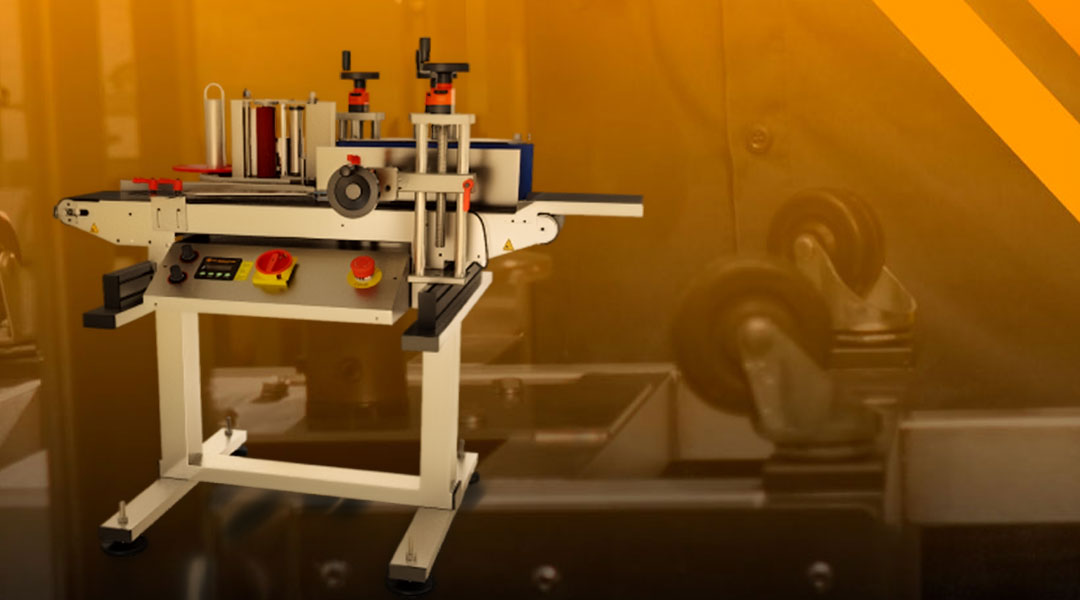
Bottle labelers keep packaging lines moving, but hidden errors can disrupt output. Small issues in sensor alignment often slip past operators and skew where each label lands on the bottle. In addition, conveyor speeds that vary even slightly will throw off labeling consistency across a shift and lead to costly rework or rejected products.
Room temperature or humidity affects how well labels adhere during application and move through later steps, like cappers or induction sealers. Sometimes rolls are installed with small mistakes that cause jams inside the machine and stop production for unplanned service work. Meanwhile, vibration from floor layout flaws or conveyor imbalances may result in uneven placement that goes unnoticed until line checks reveal wasted runs.
Wear on rollers, guides, and peeler bars builds slowly over months of use, causing more frequent misplacements as equipment ages without routine checks. Skipping calibration routines before daily startup can also cause accuracy issues. This is important for FDA and USDA oversight in regulated fields that use GLOBALTEK® systems. Ongoing performance begins with accurate sensors positioned correctly next to every Packaging Equipment component along your integrated line.
Misaligned Sensors Affect Label Placement
Misaligned sensors in conveyor systems for bottle labeling are a hidden issue that can slip past routine checks, causing labels to land in the wrong spot. These small errors can mean wasted materials, inconsistent presentation, and lost production time.
Early or Late Triggering: If a sensor reads a bottle position incorrectly, it may trigger the label dispenser too soon or too late. This timing error leads to labels missing their intended placement zone.
Gaps or Overlaps Between Labels: If a sensor misreads spacing between bottles, physical gaps or overlaps can occur, affecting visual consistency.
Small Sensor Shifts Add Up: Even slight sensor shifts can create uneven label placement across a production run. Regular checks during line changes help maintain placement accuracy.
Inconsistent Labeling Due to Conveyor Speed
Unexpected changes in conveyor speed can cause labels to miss their exact mark. Even minor variations can result in skewed labels or uneven wrap.
Fluctuating Conveyor Speed: Brief surges or dips in speed affect timing between bottle arrival and label application.
Mismatch with Labeler Settings: If the conveyor moves faster than the labeling head is set to apply, label placement accuracy declines.
Variations Between Runs: Differences in speed settings between shifts or product lots may lead to inconsistent results.
Higher Scrap and Downtime: Placement errors tied to speed shifts may increase rejected bottles and slow throughput.
Poor Adhesion from Environmental Factors
Environmental conditions influence how labels adhere and perform after application.
Moisture Exposure: High humidity or direct water contact can affect adhesion strength.
Temperature Changes: Rapid temperature shifts may impact how adhesive bonds to the container surface.
Chilled or Iced Products: Cold storage environments can affect standard adhesive performance.
Inadequate Wet-Strength Materials: Labels not designed for moisture exposure may degrade faster.
Substrate Variability: Switching between glass bottles and metal cans requires material compatibility checks.
Label Jams from Incorrect Roll Installation
Incorrect roll installation can interrupt even well-managed production lines.
Wrong Roll Orientation: Installing the roll backward or upside down disrupts feed direction.
Improper Tension Setting: Too much or too little tension can cause slack or excessive pull, increasing jam risk.
Loose Core Mounting: If the roll core is not secured properly, uneven rotation can tangle the label web.
Poor Edge Alignment: Off-center rolls create friction that leads to feed issues.
Missed Web Threading: Incorrect threading through guide rollers or sensors can stop the Conveyor Systems mid-cycle.
Uneven Labeling from Conveyor Instability
Unstable conveyor movement can lead to uneven label placement and disrupt final presentation. Conveyor Systems are central to Packaging Equipment integration, so even small vibrations or speed inconsistencies may affect alignment. Bottle labelers require steady movement to ensure labels are applied flat and straight across each unit.
When the conveyor is not properly maintained or aligned with the labeling head, small shifts in direction can appear. These signs may go unnoticed until defects accumulate. Keeping conveyors stable and inspecting drive components regularly helps reduce labeling variation.
Worn Components Lead to Labeling Errors
Component wear can gradually reduce labeling accuracy.
Compromised Rollers and Belts: As rollers and belts wear, bottle movement may become inconsistent, affecting label placement.
Loose or Missing Hardware: Small fasteners may loosen over time, allowing slight movement in labeling assemblies.
Dull Cutting or Peeling Blades: Worn blades can cause labels to tear or misfeed, interrupting steady operation.
Routine inspection helps maintain consistent performance from your bottle labeler machine.
Inadequate Calibration Causes Label Misplacement
Accurate setup is essential for proper label placement.
Shifted Applicator Arms: If applicator arms are positioned incorrectly, labels may land too high or too low on the container.
Label Feed Timing Errors: Skipping setup checks at higher speeds can affect application timing.
Bottle Indexing Misalignments: Inaccurate bottle positioning may disrupt flow and create downstream alignment issues.
Calibration checks before production runs help maintain labeling precision.
No operation runs perfectly without oversight. Hidden labeling errors can create measurable disruptions for your bottle labeler machine and integrated production lines. Issues such as uneven feeds, adhesive inconsistencies, and missed sensor alignment reduce line efficiency.
At GLOBALTEK®, we understand how small alignment or integration issues affect throughput and compliance. Our Packaging Equipment integrates with Conveyor Systems and stainless steel Rotary Equipment to support consistent product movement across labeling stages. We design systems to align with floor plans, load specifications, and speed requirements so root causes of labeling issues are addressed through proper integration and mechanical stability.
UL-certified construction and integration-ready features support regulated environments. Whether you are upgrading Capper Machine systems or aligning Liquid Filling Equipment with labeling stations, we focus on straightforward integration, efficient changeover, and daily maintenance accessibility.
Our Made in the USA systems are engineered for long-term durability and consistent operation. Investing in proper labeling integration reduces preventable interruptions and supports smooth product flow across your entire packaging line.
To learn more about GLOBALTEK® labeling solutions, visit: https://www.globaltekconveyors.com/labeling-machine/
Comments
No posts found