Overflow Filling Machine vs Piston Filling
03/27/2026
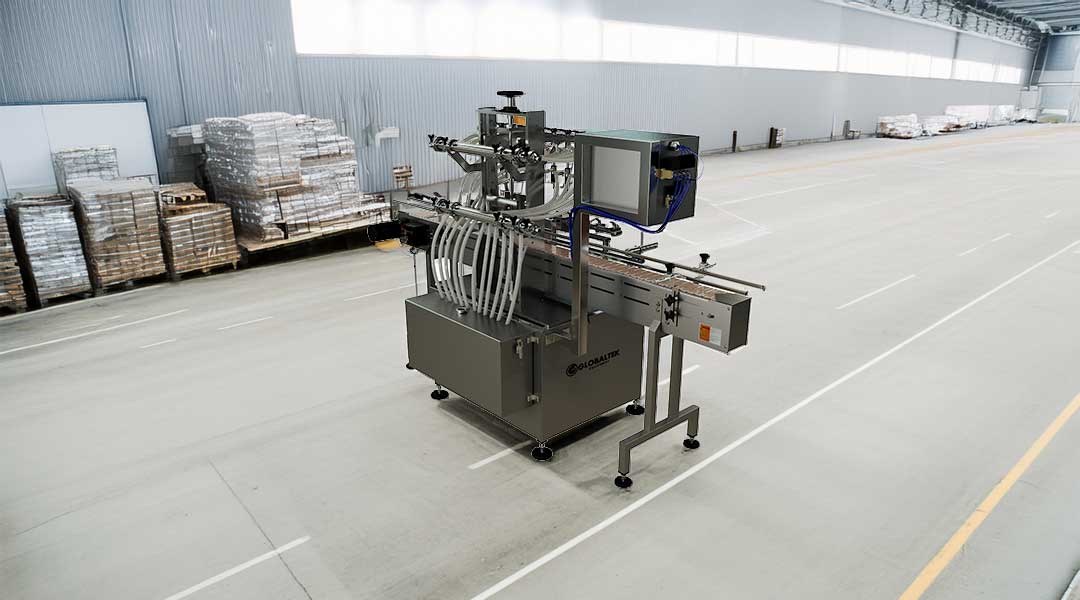
Selecting the right liquid filling equipment shapes your production line’s consistency and workflow. Accurate dosing, container flexibility, and meeting regulatory requirements all depend on whether you use overflow or piston-based machines. Our team works with food brands bottling oils as well as pharmaceutical companies packaging syrups, and we help you choose a filler that fits each product type.
Overflow fillers create visual consistency at set fill heights in clear containers. By contrast, piston filling supports steady volume control for thicker creams or gels. Routine cleaning, part wear, and speed influence long-term maintenance for both systems across different facilities.
Through careful alignment with Conveyor Systems and Capper Machine integration, we help scale production lines with controlled material handling and predictable output. As a result, how well each machine style handles viscosity often becomes an early deciding factor in regulated manufacturing environments.
Viscosity Handling: Thick vs. Thin Liquids
Viscosity is a key factor in filling liquid products, and it influences which liquid filling equipment for packaging is most appropriate. Clear differences appear in how overflow and piston filling machines manage varying product consistencies.
Thick Liquids: Piston fillers handle thicker products such as creams, gels, sauces, oils, and similar materials through controlled displacement within a chamber system.
Thin Liquids: An overflow filling machine is suited for thin, free-flowing liquids such as beverages, water-based products, and similar formulations.
Product Versatility: Piston filling can support a wide range of viscosities, allowing multiple product types to run on the same Packaging Equipment line with controlled adjustments.
Consistent Appearance: Overflow filling systems maintain a uniform fill level in clear containers, supporting consistent shelf presentation.
Accuracy: Consistent Volumes vs. Visual Levels
Accuracy remains a primary consideration when selecting between overflow and piston systems. Each method approaches precision differently based on application requirements.
Consistency of Piston Filling: Piston filling equipment delivers repeatable product volumes for each cycle. Adjustable stroke settings allow operators to control output based on container size and product characteristics.
Visual Uniformity with Overflow Filling: Overflow systems focus on maintaining a consistent fill level across containers, which supports uniform visual presentation for retail environments.
Impact on Downstream Quality Control: Fill consistency affects downstream performance in Conveyor Systems and Capper Machine operations. When fill levels align with system requirements, product flow remains stable across the full packaging line.
Maintenance: Cleaning and Upkeep
Switching from accuracy to maintenance, both machine types require structured cleaning and inspection routines.
Routine Cleaning Steps: Liquid contact surfaces should be cleaned after each production cycle. Overflow filling machines often allow straightforward cleaning across fill paths, while piston systems may require additional disassembly when handling thicker materials.
Scheduled Maintenance Practices: Regular inspection of seals, gaskets, and wear components helps maintain system performance. The monitoring component condition supports predictable operation.
Ease of Access for Upkeep: GLOBALTEK® Liquid Filling Equipment is designed with accessible service points. Stainless steel construction supports routine washdowns, while modular design helps reduce maintenance time and supports uptime.
Speed: Production Rates and Efficiency
Production speed influences how effectively products move through the line and determines how well operations meet demand.
Overflow Filler Speed: Overflow systems support continuous operation and align well with medium to high-throughput environments where consistent flow is required.
Piston Filler Throughput: Piston fillers operate with controlled cycles that suit thicker materials while maintaining steady output.
Line Efficiency Impact: The selected filling method affects how the entire Packaging Equipment system performs. Matching equipment to production goals supports stable throughput and coordinated system operation.
Product Type: Suitable Applications
After reviewing speed, selecting the right Liquid Filling Equipment depends on product type, container style, and presentation requirements. Overflow filling machines are commonly used for clear containers where a consistent fill line is visible. These systems are often applied in packaging beverages, personal care products, or similar liquid goods.
Piston filling systems are suited for thicker or semi-solid materials such as sauces, creams, and gels. These applications require controlled volume delivery and consistent dosing. The choice between systems should align with both product behavior and desired presentation, as this affects downstream packaging performance and brand consistency.
Cost Considerations: Investment and Operation
Choosing between overflow and piston systems involves both initial investment and ongoing operational considerations.
Upfront Investment: Overflow systems generally feature simpler configurations, while piston systems include additional mechanical components that influence initial setup.
Ongoing Operation Costs: Overflow fillers typically involve fewer moving parts, while piston systems may require more frequent inspection of mechanical components.
Integration and Labor: Equipment that aligns with operator familiarity and existing systems helps maintain efficient workflows and reduces training complexity.
Flexibility: Adapting to Different Containers
Overflow filling machines are often selected for applications requiring flexibility across container shapes and sizes. These systems support changeovers when maintaining a consistent fill level is important for clear packaging.
Overflow fillers can accommodate a range of container formats, including round, oval, and square bottles. Piston fillers provide flexibility by adjusting fill volumes across different container sizes. The setup process varies between systems, but both can support production changes with appropriate configuration.
If your operation handles multiple container sizes, selecting the right Liquid Filling Equipment supports accurate filling while minimizing unnecessary adjustments. Choosing between overflow and piston filling systems depends on product characteristics, output targets, and operational requirements.
Overflow filling is commonly used for applications where visual consistency is important, while piston filling supports products with varying viscosities. At GLOBALTEK®, we design both solutions to integrate with Conveyor Systems, Capper Machine setups, and Rotary Equipment. Our systems are built with stainless steel construction, UL-certified components, and modular configurations that support regulated industries.
Facilities in the food, pharmaceutical, cosmetic, and nutraceutical sectors require equipment that aligns with sanitation practices, production goals, and floorplan constraints. GLOBALTEK® Liquid Filling Equipment supports these requirements through integration-ready designs and scalable configurations.
For high-throughput operations, system integration and floorplan alignment remain essential. Our team works with you to match filling methods with production needs, considering product behavior, available space, and long-term growth.
To learn more about GLOBALTEK® overflow filling solutions, visit: https://www.globaltekconveyors.com/packaging-equipment/globaltek-fill-it-in-line-automatic-pressure-overflow-filler/
Comments
No posts found