
Blog
11/06/2014
INDUSTRY BLOG
How Heat Induction Sealers Improve Product Shelf Life
04/25/2025
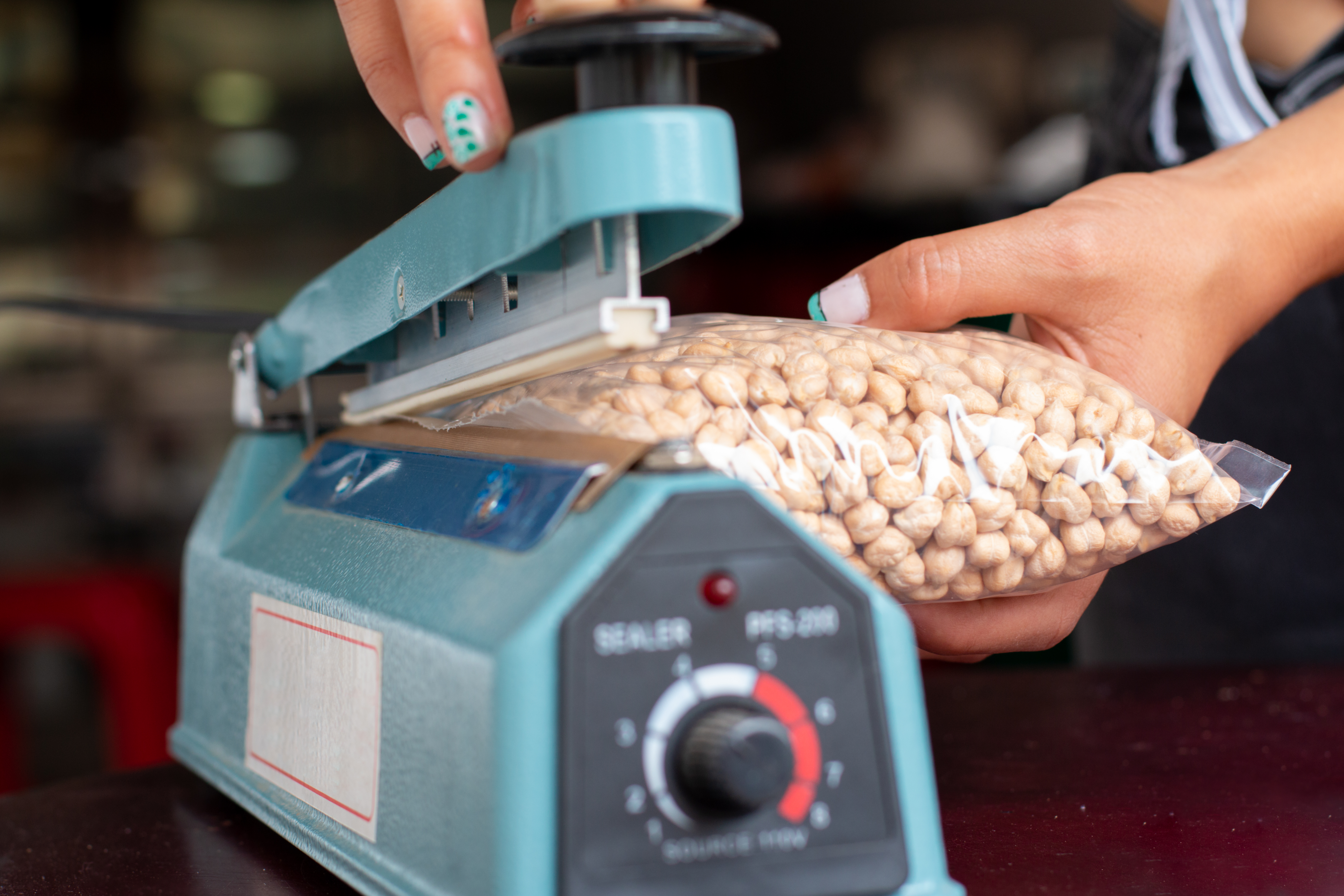
Product freshness and safety depend heavily on proper packaging. Heat induction sealers do the trick. Reliable and efficient, the machines seal containers to preserve freshness. Imagine: Airtight seals on your plastic and glass, extending the life of your food. Consumers and the product itself both win with this streamlined process.
Interested in learning the mechanics? Heat induction sealers use hot induction heads to fuse layers of paper pulp, aluminum, and wax liners to the container, forming a secure barrier that keeps out moisture, oxygen, and contaminants. The FDA's tamper-evident rules are met by our process. No leaks, no damage, just happy customers!
Reducing waste is a nice side benefit; fewer extra closures are needed with this sealing technique. First, let's discuss the benefits of heat sealing. Its ability to stop contamination is a big one.
How Heat Sealing Prevents Contamination
Here’s what happens: a protective liner is fused to the container using controlled heat. That simple step creates a seal that blocks out dust, bacteria, and anything else that might compromise your product. According to Section 6 of the Packaging Systems guidelines, these seals are far more tamper-resistant than adhesive-only options.
If you’re packaging hazardous or sensitive contents, you’ll appreciate how strong the bond is. Heat seals don’t loosen under pressure, and because you’re using thermal energy instead of heavier mechanical closures, you end up using less material, which means less waste.
You also get the benefit of faster packaging on conveyor lines, since the process is streamlined and highly compatible with automated systems. Once sealed, your containers are locked tight, protecting quality and safety from start to finish.
Enhancing Product Freshness with Airtight Packaging
Keeping your products fresh isn’t just about storing them in the right place; it starts with the right seal.
- Preserving Flavor: An airtight seal helps trap essential flavor molecules, preventing outside air from dulling your product’s taste. In fact, studies show up to 30% less spoilage with induction sealing. Whether you’re packaging spices, sauces, or snacks, flavor stays consistent from the production line to the consumer’s home.
- Maintaining Texture: Moisture is the enemy of crunch. With an effective heat seal, cereals stay crispy, chips don’t go stale, and customers enjoy that satisfying texture you worked so hard to create. The sealed barrier keeps the structure intact and makes for a better experience with every bite.
- Protecting Nutrients: Sealing in freshness also means sealing in nutrition. Airtight packaging reduces oxygen exposure, which helps retain vitamins and nutrients. Research shows this can cut nutrient loss by 25%, helping your products deliver more value (and more health benefits) to your customers.
Extending Shelf Life Through Tamper Evidence
When customers see a tamper-evident seal, they know they’re getting a safe, untouched product. That builds trust, and trust leads to loyalty.
- Secure Barriers: Heat induction creates strong, reliable seals that bond liners directly to glass or plastic. This meets FDA requirements for tamper-evident packaging, ensuring each container is safe from tampering and clearly protected.
- FDA Validation: Section 6 of the FDA packaging rules confirms that induction sealing outperforms adhesives when it comes to preventing breaches. When shoppers see your packaging, they feel reassured, which reflects positively on your brand.
- Longer Shelf Life: Tamper-proof seals also help your product last longer. By blocking contaminants and stabilizing internal conditions, the seal maintains quality and freshness well beyond standard shelf life.
The Role of Induction in Preserving Quality
If you’re aiming for consistency and performance across every unit, heat induction is your friend.
It works by generating an electromagnetic field that heats the cap’s foil liner. As the wax melts, it fuses the paperboard to the aluminum layer, creating a tight, uniform bond. This bond keeps your product safe and stable throughout its shelf life.
Different container sizes require different tools:
- Containers up to 53mm often use a tunnel sealing head
- Larger sizes may benefit from a flat sealing head
Either way, both options deliver strong closures that minimize product failures.
These systems are especially common in the food and personal care industries, where quality control is critical. Thanks to the dependable seal created by the wax, foil, and polymer, your brand earns a reputation for reliability.
Improved Protection Against Moisture and Oxygen
One of the biggest threats to product integrity? Moisture and air. Induction sealing offers solid protection against both.
With this method, you keep water and oxygen out of the container, which helps preserve texture, color, and flavor. That also means you lower the risk of mold, spoilage, and nutrient breakdown, which translates into fewer complaints and returns.
By investing in a hermetic seal, you’re also investing in consumer satisfaction. Shoppers get more consistent quality and shelf appeal, and you protect your bottom line from waste and rework.
Minimizing Leakage Risks with Secure Closures
Shipping and storage can be rough on packaging. Induction sealing ensures your products stay sealed and your reputation stays intact.
- Sealed Barriers: A heat-sealed container won’t leak or spill during transport. That’s a win for your supply chain and your customers, who will appreciate the clean, tamper-proof experience.
- Boosted Consumer Confidence: When customers see an intact seal, they know the product hasn’t been touched. This visible protection reassures buyers and encourages repeat purchases.
- Reduced Product Losses: Leaky containers lead to mess, returns, and lost revenue. A solid heat seal reduces these risks with proven bonding technology that holds up across shipping environments.
Boosting Brand Trust via Advanced Packaging
The benefits of induction sealing go beyond just product protection; it also improves how customers perceive your brand.
- Trust Growth: Surveys show that over 70% of consumers prefer tamper-evident packaging. A crisp, secure seal boosts confidence and increases customer loyalty over time.
- Refined Presentation: Clean, sealed packaging looks professional and high-end. In competitive retail spaces, that polished look helps you stand out. A 2024 packaging trends report even noted growing demand for brands that prioritize security and appearance.
- Extended Partnerships: Retailers and distributors love working with brands that deliver consistently sealed, low-risk products. Fewer issues in transit mean more stable relationships and stronger shelf placement opportunities.
Heat induction sealers offer a reliable, efficient way to extend shelf life, preserve product quality, and improve customer trust. By applying a sealed foil or plastic layer, they block out contaminants and moisture, all while meeting the highest safety standards.
Studies even suggest that products using induction sealing can extend shelf life by up to 50%. That means more satisfied customers, better store reviews, and fewer returns.
Some store owners even mention how customers comment on the seal itself, which makes the product feel safer and fresher. Plus, with seamless operation on automated lines, these machines help you scale without slowing down.
So if you’re ready to reduce waste, boost freshness, and earn customer trust, heat induction sealing might be your smartest packaging move yet.
How Capper Machines Ensure Compliance with FDA and GMP Regulations
04/01/2025
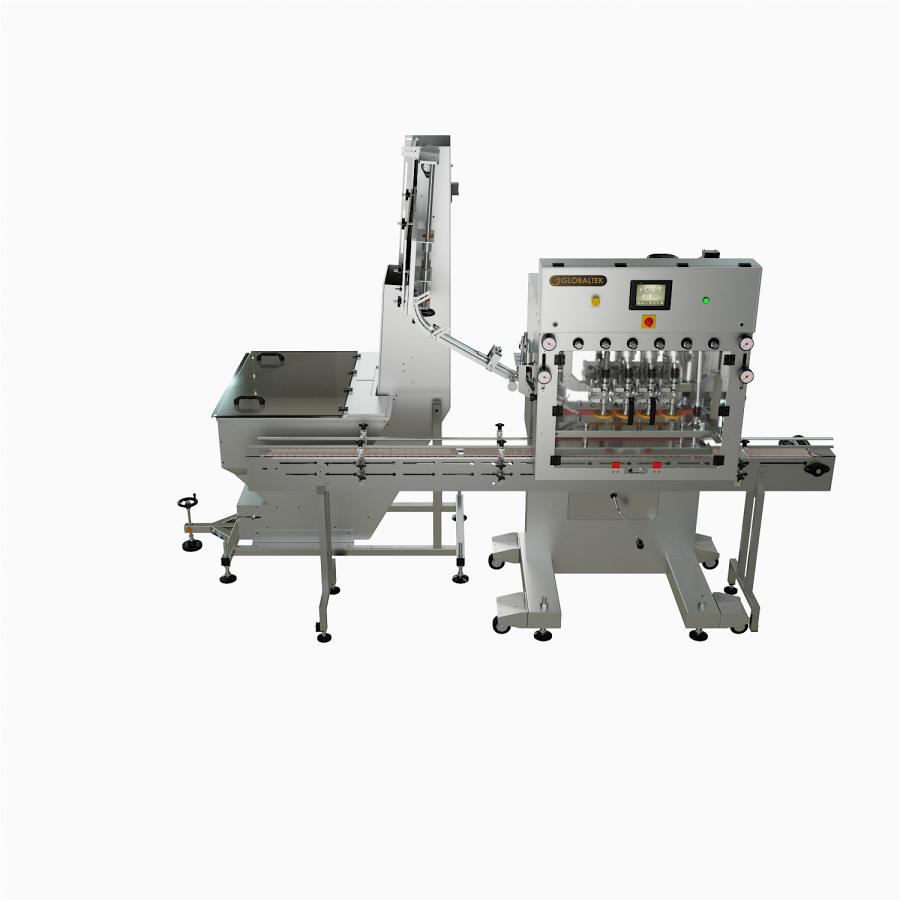
Think of capper machines as the quality control for pharmaceutical products. Following FDA and GMP rules is important. It makes sure medications are safe for people. You absolutely need these machines. They keep things sterile, package them up to standard, and ship everything according to the rules for sealed caps.
Regulatory changes? Easy! Precise inline capper machines handle them with ease, maintaining reliable performance. Safety and quality are important to them; this is shown in their designs. Audit-ready manufacturing demands sterile conditions.
Sterility throughout the manufacturing process depends on these machines. Think about how contamination can affect product quality and even patient safety—this is why this is so important.
Ensuring Sterility with Capper Machines
Ensuring sterility in the pharmaceutical industry isn't just about keeping products clean; it's a matter of public health. That's where inline capper machines come into play, making sure that each bottle or container sealed meets rigorous FDA regulations. These machines are designed with precision to maintain sterile conditions during the capping process, preventing microbial contamination. They use materials and components resistant to corrosion and that can be easily sterilized. Inline capper machines also feature HEPA filters for air filtration and create positive pressure environments to thwart airborne contaminants. Every design detail aims to ensure compliance with FDA guidelines on sterility test isolators by providing an effective sterile manufacturing step that is crucial for protecting consumer health. This comprehensive approach ensures that inline capper machines contribute significantly to maintaining product quality and safety standards essential for market release.
Meeting FDA Packaging Standards
Meeting FDA packaging standards is a crucial step in ensuring the safety and compliance of pharmaceutical and nutraceutical products. Here's how automatic bottle-capping machines play an essential role:
- Adhering to Hygiene and Safety Regulations: Automatic bottle capping machines are designed with hygiene in mind, using materials like stainless steel that are easy to clean. This helps ensure your production process meets FDA guidelines for product safety by reducing the risk of contamination.
- Automating Sealing Processes for Compliance: By automating the application of child-resistant caps, induction seals, or shrink bands, these machines guarantee precise sealing. This not only aids in meeting strict FDA requirements but also minimizes human error that could lead to recalls.
- Versatile Packaging Solutions: The versatility of automatic bottle capping machines allows them to handle various container types and cap sizes efficiently. Whether it's applying a specific torque for child-resistant caps or adapting to unique container shapes, these units help maintain regulatory compliance across diverse product lines.
By integrating such advanced machinery into their operations, businesses can significantly enhance their efficiency while diligently upholding federal regulations—a necessary balance for success in today's market.
GMP Compliance in Cap Sealing
GMP compliance in cap sealing focuses on ensuring product safety and integrity through rigorous standards. Think of all the liquids we use daily—from juice to medicine. Automated filling machines use clever methods like induction sealing to prevent tampering. It's a vital safety feature. Contamination is avoided, and manufacturers easily meet FDA packaging regulations.
Think of it like this: the machines constantly check their work and fix any problems, so every product gets a great seal. This is faster and more accurate than having people do it. Furthermore, equipment validation is critical; regular checks ensure that every component functions correctly within specified limits to prevent any risk of non-compliance penalties or consumer trust issues.
Inline Capper Machine Precision and Reliability
In the quest for compliance with FDA and GMP standards, focusing on the inline capper machine's precision and reliability is essential. Precision ensures each cap is secured correctly, protecting product integrity.
- Selecting an integrated system that aligns with production demands supports consistent output quality. These systems should be able to adapt to various tablet sizes without causing damage.
- Regular calibration of inline capper machines minimizes the chances of dosage discrepancies. This step keeps operations running smoothly by preventing caps from being applied too tightly or loosely.
- Implementing automated technologies enhances efficiency while reducing human error in the packaging process. Smart systems optimize performance continuously, ensuring products meet safety regulations every time.
By adhering to these practices, pharmaceutical manufacturers can achieve high levels of accuracy and efficiency in their processes, thus maintaining strict adherence to regulatory standards.
Seal Integrity Checks for Safety Assurance
We need to check seals carefully; product quality and safety are at stake. To prevent spoilage and maintain safety standards, products in the food and pharmaceutical industries need airtight seals. It's more than happy customers. Avoiding penalties and product returns depends on proper seal testing.
Regulations often set strict standards for this, but other methods exist, too. Think of it like this: following the rules helps keep things running smoothly and keeps you out of trouble. Methods like visual inspection help spot obvious defects but fall short of revealing the seal's overall effectiveness or hermetic nature.
Vacuum decay testing is a really cool new method that lets you check seals and packages without breaking anything. It’s a fantastic way to keep products safe and get them back to where they belong. Think of all the time and money saved!
GLOBALTEK®'s advanced techniques provide solutions for diverse packaging needs. Think pouches, containers, cans—even bottles—they've got it handled. Waste less, save more. Their technology spots leaks early, preventing costly problems and ensuring you're meeting all the necessary regulations. Strong customer relationships are built by following these steps; it's that simple.
Audit-Ready Operations with Inline Cappers
- Streamlined Documentation Process: Inline cappers assist in automating the documentation process needed for FDA and GMP compliance audits. Real-time data on efficiency is available; every cap application is tracked and recorded. From start to finish, you get a clean audit trail. This greatly cuts down on human error.
- Consistent Quality Assurance: With inline capping machines, you get consistent performance that meets strict regulatory standards every time. The machines' technology lets us adjust torque and sealing speed so each item is sealed perfectly and meets all the rules.
- The risk of contamination? We cut it down. Inline cappers help keep things clean, which is a big help when auditors come calling. Passing those audits is much easier this way. The caps are applied in a controlled environment, minimizing human contact; this not only streamlines processes but also safeguards against potential sources of contamination.
Following FDA and GMP rules is really important for packaging companies. Capper machines from GLOBALTEK® meet these standards by providing precise sealing processes that eliminate contamination risks. Product integrity is a top priority; they stop leaks and guarantee a perfect seal each and every time.
Built-in quality checks mean these cappers find any seal problems before your products ship. No leaky messes! By choosing GLOBALTEK® equipment, you guarantee your production line adheres to strict regulatory requirements while upholding the highest safety and quality standards for your goods.
How Wrap-Around Label Machines Improve Packaging Line Speed & Productivity
04/01/2025
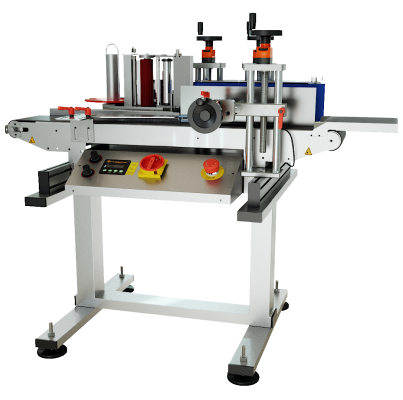
Labeling machines really speed up your packaging line. They put labels on accurately and quickly, boosting how much you can produce. This method, simpler than pick-and-place approaches, excels in the round bottle sector but suits almost any container type. It cleverly uses all the available space to show off your brand while still following all the rules for UPC codes.
Big or small, businesses can easily switch from doing things by hand to using automation. This saves resources and makes things much easier. Businesses save money and improve efficiency with a simple one-label-per-item system. This works great in various sectors. Wrap-around technology: It really makes production lines fly! Let's see how.
Boosting Speed with Wrap-Around Technology
Wrap-around label machines, like those offered by GLOBALTEK®, swiftly apply labels to various containers. By rolling labels directly onto the surfaces, these systems simplify labeling processes compared to traditional methods. They're as effective as shrink-wrap but less complicated and dominate in packaging round bottles.
Yet, their versatility extends beyond just cylindrical shapes; almost any container can be labeled efficiently with wrap around label machines. This approach boosts speed on the production line by eliminating complex steps involved in manual or pick-and-place methods, making it a go-to for enhancing productivity across different industries.
Enhancing Accuracy in Label Placement
Accurate label placement is crucial for the look and function of your product. Let's break down how wrap-around label machines improve this aspect.
- Enhanced Precision: Wrap-around labelers use advanced sensors to detect containers' edges. This ensures each label aligns perfectly with every container, eliminating crooked labels. By maintaining consistency, these machines reduce waste from misaligned labels. They increase consumer trust in your brand by ensuring products always look professional on shelves.
- Reduced Manual Labor: These machines automate the labeling process, requiring fewer staff members for operation and oversight. Reducing manual handling also minimizes human error in label applications. This automation leads to more consistent results across thousands of products. Furthermore, employees can focus on other important tasks that improve productivity.
- Accelerated Changeover Times: Quick adjustment features allow for rapid changeovers between different product sizes or shapes. Machine downtime is significantly decreased thanks to intuitive design elements. These fast transitions maintain line speed without sacrificing accuracy. Efficient changeovers support a versatile packaging line capable of handling various SKUs efficiently.
Reducing Downtime with Seamless Operation
Reducing downtime in a packaging operation is about ensuring smooth, continuous activity. This step is crucial for keeping up with market demands and maintaining high customer satisfaction.
- Minimized Errors: Automatic label applicators significantly reduce the number of mislabeled products. When labels are placed correctly every time, you avoid the setbacks that come from discarding or reworking items due to labeling mistakes. Moreover, consistent accuracy keeps your brand's image polished across all products.
- Quick Changeovers: Opt for machines equipped with automated adjustment features for fast label changes between production runs—this capability cuts down significant downtime often seen during manual changeovers, allowing seamless transitions among different product lines without major delays, thus enhancing line uptime and output consistency throughout operations.
- Reduced Waste: Precise application via advanced machinery leads directly to less waste since there's a minimal chance of incorrect labeling requiring disposal or extra work on already finished goods; this approach not only conserves materials but also saves money by cutting down on unnecessary resource use and waste management efforts while contributing positively towards sustainability goals within manufacturing processes.
Increasing Productivity Across Packaging Lines
Wrap-around label machines minimize errors by automating data collection, a critical factor in avoiding delays. These devices verify order numbers and ensure proper routing with embedded barcode scanners, cutting down human mistakes significantly. Another innovative feature is branding bands that can be customized with logos or product details.
Perfect for items like clamshells used in the food sector. In addition, these branded bands support inline printing for swiftly updating batch information or expiration dates just before packaging. Automation stands out as it addresses worker shortages efficiently while enhancing production reliability and speed without needing many employees.
For instance, automated counting and stacking systems specifically designed for multipacks demonstrate how technology can replace manual tasks effectively. Minimizing waste is another advantage offered by wrap-around label machines since they utilize custom-sized boxes to reduce the use of unnecessary packing materials. By licensing plate bundled orders beforehand, this method also eradicates potential order mixing or system blockages during conveyance.
In essence, integrating such sophisticated machinery not only speeds up processes but also reduces costs associated with labor turnover and training. This is a crucial consideration given today's industry challenges.
Ensuring Consistent Quality and Brand Image
Ensuring consistent quality and brand image in your labeling process is crucial for maintaining a strong market presence. Global standards demand precision, reliability, and visual appeal to attract customers.
- Product Size and Shape: GlobalTek® understands that fitting the label perfectly matters a lot. A label too big creates overhangs; one too small leaves unattractive gaps. Properly sized labels improve looks and functionality by avoiding these issues entirely. Consistent application means each product on the shelf matches its neighbor perfectly.
- Quality of Labels: High-quality materials make durable labels essential for sustained branding power as products move through tough shipping conditions or sit on shelves under harsh lights. No tearing, fading, or peeling keeps your brand's look crisp from production line to customer hands—crucial for lasting impressions.
- Appropriate Labeling Equipment: Tailored equipment avoids bottlenecks in high-volume operations. For smaller setups, it delivers precision without unnecessary complexity. Modular designs offer flexibility, allowing upgrades without disruption, making sure every bottle can, or container exits with consistency at any volume, and meeting both current needs and future growth seamlessly.
Streamlining Workflow for Higher Output
Streamlining your workflow enhances productivity significantly. By integrating automatic labelers like GLOBALTEK® into your packaging process, you automate labeling tasks. This automation allows staff to direct their attention to other essential duties, boosting the overall output of your setup.
This efficiency leads to increased production and shipping volumes, directly influencing revenue growth. In addition, automated labeling machines play a critical role in improving quality control by minimizing manual errors such as misalignment or incorrect placement of labels. These high-precision machines ensure accurate barcode and QR code application every time, which is crucial for inventory management and avoiding supply chain disruptions.
Investing in state-of-the-art labelers adapts well across business scales. From small boutiques to large factories. Due to their flexibility in handling various bottle sizes and shapes with pinpoint accuracy.
Such versatility prevents the need for multiple specialized units catering to different product lines, streamlining operations further.
Choosing the right tools for your packaging line significantly boosts speed and productivity. GLOBALTEK®'s inline automatic wrap-around labeler does just that. It ensures precision in application, reducing waste and downtime.
This machine fits seamlessly into existing lines, enhancing efficiency without massive overhauls. With quick setup times and easy operability, it stands out as a smart investment for improving packaging processes. Businesses benefit from increased output with consistent quality, making this labeler a critical component in optimizing production performance.
How Label Applicator Machines Improve Efficiency in Pharmaceutical Labeling
02/23/2025
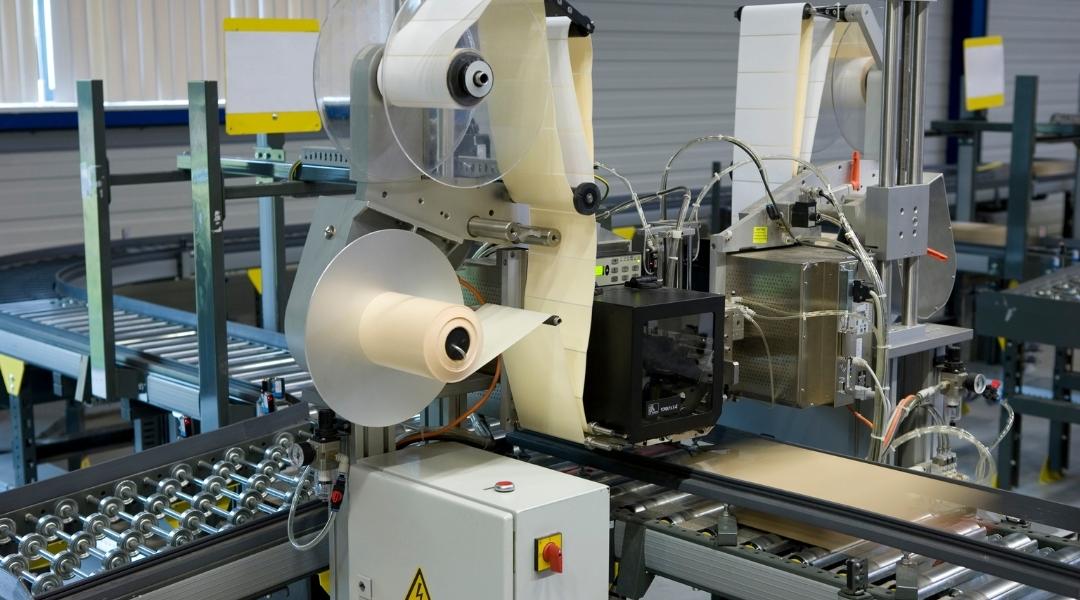
Pharmaceutical companies rely on precision and efficiency in labeling. Label applicator machines revolutionize manufacturing by reducing inefficiencies, accelerating production, and enhancing accuracy. By automating label applications, companies can significantly increase output while minimizing errors and operational downtime.
Poorly applied labels can lead to regulatory non-compliance, wasted resources, and reputational damage. Label applicator machines streamline changeovers between different container types, ensuring smooth transitions and compliance with pharmaceutical labeling standards. Additionally, reducing manual labor in repetitive tasks not only cuts costs but also improves workplace efficiency and morale. Furthermore, automated systems pave the way for scalable production as demand increases.
Boosting Speed with Automated Label Applicators
Automated label applicator machines are designed for high-speed operations, integrating a motorized conveyor and wrap belt with adjustable speed controls. This allows for precise and efficient labeling without sacrificing accuracy.
The integrated control panel enables quick adjustments, ensuring a seamless labeling process. By automating label application, this machine reduces errors and increases productivity, ensuring pharmaceutical manufacturers meet industry regulations while maintaining high throughput. Additionally, optical fiber sensors ensure that each label is applied with pinpoint accuracy, preventing misalignment and reducing material waste.
Ensuring Accuracy in Pharmaceutical Labels
Accuracy in pharmaceutical labeling is essential for consumer safety and regulatory compliance. The GLOBALTEK® Inline Automatic Wrap-Around Labeler ensures precision by eliminating inconsistencies commonly found in manual labeling processes.
- Promote Brand Awareness: Labels are vital branding tools. Properly applied, high-quality labels enhance visibility and foster trust among consumers. Consistent branding across all products strengthens recognition and customer loyalty.
- Provide Key Information: Automated label applicators ensure that every medicine bottle displays clear dosage instructions, expiration dates, and safety guidelines without smudging or misalignment. Accurate labeling helps patients use medications correctly while allowing healthcare professionals to provide precise recommendations.
- Ensure Batch Differences: In pharmaceutical facilities handling multiple batches, automatic batch number labeling is crucial. This machine prints distinct batch codes onto each unit, ensuring efficient warehouse organization and facilitating swift product recalls if necessary.
Minimizing Waste through Precise Application
Label applicators significantly reduce waste by ensuring precise application. The GLOBALTEK® Inline Automatic Wrap-Around Labeler features optical fiber sensors that accurately position labels on each container, eliminating excess material use and reducing the risk of mislabeling.
In pharmaceutical manufacturing, where dosage accuracy is critical, reducing waste is not only a cost-saving measure but also a matter of patient safety. By utilizing automated systems, manufacturers maintain compliance with strict regulatory standards while embracing sustainable practices that minimize material waste.
Streamlining Changeovers for Various Containers
Efficient pharmaceutical labeling requires adaptability when working with multiple container types. The GLOBALTEK® Inline Automatic Wrap-Around Labeler facilitates quick and seamless changeovers, improving productivity and maintaining accuracy. Key innovations include:
- Integrated Control Panel for Easy Adjustments: Operators can quickly modify settings via the intuitive control panel, optimizing labeling efficiency during changeovers.
- Microprocessor-Controlled Systems for Smart Adjustments: The machine features a microprocessor board programmed for ease of maintenance, ensuring consistent performance across various product types.
- Adjustable Speed Control for Versatility: The motorized conveyor and wrap belt allow for speed modifications, making it adaptable to different production requirements.
By integrating the GLOBALTEK® Inline Automatic Wrap-Around Labeler into pharmaceutical production lines, manufacturers achieve seamless and precise labeling, optimizing overall operational efficiency.
Reducing Labor Costs and Errors
The pharmaceutical industry requires a balance between high-quality production and cost efficiency. Manual labeling is labor-intensive, error-prone, and costly due to rework and compliance failures. Label applicator machines eliminate these inefficiencies by automating the labeling process, reducing manual labor requirements, and significantly improving accuracy.
- Lowering Labor Costs: The GLOBALTEK® Inline Automatic Wrap-Around Labeler streamlines production with synchronized motor speeds and touch-panel controls. Automating repetitive tasks reduces dependency on manual labor, lowering overall costs while increasing efficiency.
- Minimizing Errors: The use of optical fiber sensors ensures consistent and precise label application, preventing misalignment and reducing product waste. This precision minimizes the risk of recalls and ensures compliance with stringent industry standards.
Automated label applicators transform pharmaceutical packaging by enhancing speed, accuracy, and efficiency. By reducing errors and eliminating manual inconsistencies, these machines improve productivity and regulatory adherence, making them indispensable for modern pharmaceutical manufacturing.
Label applicator machines are essential for pharmaceutical manufacturers aiming to optimize efficiency, accuracy, and compliance. By automating label applications, these machines eliminate errors, improve branding consistency, and facilitate seamless production scaling.
At GLOBALTEK®, our advanced labeling solutions integrate effortlessly into existing production lines, ensuring high precision and operational excellence. The GLOBALTEK® Inline Automatic Wrap-Around Labeler delivers high-speed, precise, and reliable labeling, making it an invaluable asset for pharmaceutical manufacturers looking to streamline their operations and improve productivity.
How to Maintain Consistent Fill Levels in High-Volume Production Environments
01/17/2025

Imagine cranking up production line speeds without compromising on quality—it’s a win-win that can revolutionize your workflow. Real-time monitoring systems act as your eyes on the process 24/7, ensuring seamless operation and fast responses to any anomalies.
Consistency across batches is achieved by addressing variations in viscosity and training staff in best practices. Combined with enhanced quality control protocols, these strategies eliminate potential quality issues before they escalate.
Implement Precision Filling Technology
Precision filling technology is the foundation for maintaining consistent fill levels. The GLOBALTEK® Fill-It In-Line Automatic Pressure Overflow Filler combines speed, accuracy, and reliability, meeting the demands of high-volume production while ensuring minimal waste.
- High-Speed Efficiency: Rapid operation increases throughput, meeting market demands without sacrificing quality.
- Reliability and Versatility: Globaltek® machines are engineered for reliability, minimizing downtime, and adapting to a variety of container types and liquid viscosities.
- Regular Maintenance: Routine cleaning and calibration not only extend the lifespan of the equipment but also ensure peak performance.
By leveraging precision filling solutions, businesses can meet customer expectations with consistent product quality and reduced operational waste.
Regular Calibration and Maintenance Checks
Regular calibration and maintenance are non-negotiable in high-volume production.
- Ensure Consistency: Calibration prevents deviations that lead to inconsistent fill levels, maintaining uniformity across all packages.
- Reduce Waste and Downtime: Properly calibrated machines reduce waste caused by overfills or underfill and minimize production interruptions.
- Adhere to Regulations: Consistent calibration ensures compliance with industry standards in food, pharmaceuticals, and cosmetics, protecting your brand’s reputation and avoiding costly fines.
Optimize Production Line Speeds
Optimizing production speeds requires addressing human errors and integrating advanced technologies:
- Minimize Operational Errors: Streamline workflows to reduce the 80% downtime caused by human mistakes.
- Integrate Advanced Technologies: Tools like AI vision systems offer real-time analysis, ensuring smooth operations and identifying inefficiencies.
- Standardize SOPs: Transition from verbal instructions to documented processes supported by technology to maintain consistency.
These steps improve speed and efficiency without compromising quality.
Use Real-Time Monitoring Systems
Monitoring systems in real-time is crucial for maintaining consistent fill levels in high-volume production environments. Let's explore how it specifically applies to the manufacturing sector.
- Detect Issues Faster: Quick problem identification prevents minor issues from becoming major setbacks. Real-time alerts signal when equipment malfunctions or bottlenecks occur on the line. Immediate awareness allows for swift adjustments, keeping disruptions at bay. Reducing downtime can enhance productivity and reduce costs significantly.
- Optimize Performance: Adjustments made based on live data cannot only fix but also improve operations. Monitoring tools collect extensive data, enabling the instant optimization of workflows. Efficiency gains are notable; some manufacturers see up to 20% increased productivity. This proactive approach transforms reactive measures into strategic enhancements.
- Improve Product Quality: Identifying defects as they happen boosts overall product standards. Instant feedback reduces waste and rework, saving resources and time alike. A global manufacturer witnessed a 30% drop in downtime with such integrations—impressive! As quality increases, customer satisfaction follows suit, creating a competitive edge.
Enhance Quality Control Protocols
Quality control begins with measurable standards at every production stage.
- Set Benchmarks: Define precise fill levels and monitor each phase of production against these standards.
- Leverage Technology: Real-time monitoring applications flag deviations, ensuring immediate corrective action.
- Continuous Improvement: Combine unscheduled equipment tests with customer feedback to refine processes and enhance satisfaction.
By integrating these strategies, companies can ensure consistent fill levels, meeting customer expectations while maintaining efficiency.
Ready to Revolutionize Your Production?
Consistency in high-volume production requires the right tools and strategies. With the GLOBALTEK® Fill-It In-Line Automatic Pressure Overflow Filler, regular calibration, and advanced monitoring systems, your production lines can achieve unmatched efficiency and quality.
Explore how Globaltek® can transform your operations today. Contact us to learn more!
Why Automated Labeling is Key to Staying Competitive in Fast-Paced Markets
01/17/2025

Fast-paced markets dictate one thing: adapt or perish. By capitalizing on Globaltek®’s automated labeling solutions, forward-thinking businesses can eliminate manual errors and optimize their packaging and distribution processes. With Globaltek®, businesses can watch their workflows become leaner, meaner, and more efficient.
Two for one: Globaltek®’s technology doesn’t just accelerate your response to market shifts; it also tackles wasteful spending head-on. To truly make a mark, businesses need to monitor consumer trends closely and present a united brand front—this is where Globaltek®’s tailored solutions start to shine.
With such benefits at stake, it becomes clear why embracing automation in labeling isn’t just an option but a necessity. By adopting Globaltek®’s labeling machines, businesses can boost their workflow and gain a competitive edge.
Boosting Productivity with Label Applicator Machines
If you're seeing delays in production and an uptick in labeling errors, it’s time to switch to an automated approach. GlobalTek®'s Label application machines take productivity to the next level with industry-leading performance and precision.
Speed up your workflow by labeling tasks at lightning speed—far faster than by using manual methods. Fast-paced markets demand speed, and Globaltek®’s solutions keep up with that energy. By automating laborious steps and integrating seamlessly into production lines, our machines cut overhead costs and amplify efficiency, allowing teams to focus on high-value tasks. Precision labeling minimizes waste, improving resource efficiency and saving your bottom line.
Enhancing Accuracy in Packaging and Distribution
- Boosting Consumer Trust: Globaltek®’s automated labeling machines ensure crucial product details like batch numbers and expiration dates are printed with pinpoint accuracy. By sidestepping errors that could lead to recalls, businesses maintain consumer trust and foster brand loyalty.
- Meeting Industry Regulations: Industries like pharmaceuticals and cosmetics operate under strict regulations, and Globaltek®’s machines adapt seamlessly to these requirements. When new regulations arise, our machines adjust quickly, keeping production on track and schedules intact.
- Sustainability at the Core: With environmental awareness on the rise, sustainability is a priority. Globaltek®’s machines are designed to minimize resource waste, helping businesses align with eco-friendly practices while maintaining high-quality results.
Streamlining Operations for Market Agility
To stay competitive, businesses must adopt agile strategies. Globaltek®’s automated labeling solutions enable companies to pivot quickly to changing consumer demands or regulatory updates. With our machines, labels can be updated in real time, ensuring products meet market expectations and reach shelves without delays.
Integrating automation into labeling processes supports consistent go-to-market speeds and ensures businesses remain agile, even during market disruptions. Globaltek®’s solutions empower teams to operate efficiently and respond to market twists and turns with ease.
Reducing Operational Costs Through Automation
- Consistency as a Trust Signal: Globaltek®’s automated solutions help ensure uniformity in branding, reinforcing customer trust and loyalty. Each precise label signals reliability and quality.
- Standing Out in Competitive Markets: A consistent brand is easier to recognize, making it stand out in crowded markets. With Globaltek®’s precision labeling, businesses solidify their presence and become the go-to option for consumers.
- Reinforcing Brand Recall: Each accurate, consistent label strengthens consumer memory of your brand. Over time, this leads to stronger customer connections and repeat business.
- Streamlined Efficiency: Automation revolutionizes operations by eliminating repetitive tasks. With Globaltek®’s advanced machines, teams can focus on strategic initiatives while maintaining high productivity.
- Elevating Accuracy and Decision-Making: By reducing manual intervention, Globaltek®’s machines cut errors and simplify complex workflows, delivering reliable, accurate labeling every time.
- Bridging Workforce Gaps: Even in industries facing workforce challenges, Globaltek®’s user-friendly solutions ensure consistent, high-quality performance—making automation accessible to all.
Adapting Quickly to Consumer Demand Shifts
Adjusting swiftly to changes in consumer demand is key for businesses looking to stay ahead. Automated labeling can be crucial here, allowing for quick changes in product labels that meet new market demands or regulatory requirements efficiently. This agility ensures products are correctly labeled and ready for shelves without delay, a necessity in rapid-market environments where staying relevant is paramount. By using automated systems, companies can update their packaging almost instantly to reflect consumers' current preferences or updated information, keeping pace with trends and ensuring compliance simultaneously. This speed and flexibility directly contribute to maintaining competitive advantage by satisfying customer needs promptly and accurately.
Elevating Brand Consistency Across Products
- Consistency as a Trust Signal: Globaltek®’s automated solutions help ensure uniformity in branding, reinforcing customer trust and loyalty. Each precise label signals reliability and quality.
- Standing Out in Competitive Markets: A consistent brand is easier to recognize, making it stand out in crowded markets. With Globaltek®’s precision labeling, businesses solidify their presence and become the go-to option for consumers.
- Reinforcing Brand Recall: Each accurate, consistent label strengthens consumer memory of your brand. Over time, this leads to stronger customer connections and repeat business.
Ready to Lead the Market with Automation?
Globaltek®’s labeling machines are more than just tools—they’re your partners in achieving efficiency, precision, and sustainability. By embracing automation, businesses can reduce errors, amplify productivity, and stay ahead of the curve in today’s competitive economy.
Explore how Globaltek® can transform your labeling process and help you stay competitive in fast-paced markets. Contact us today to learn more.
Do You Know What a Capping Machine is?
01/03/2025
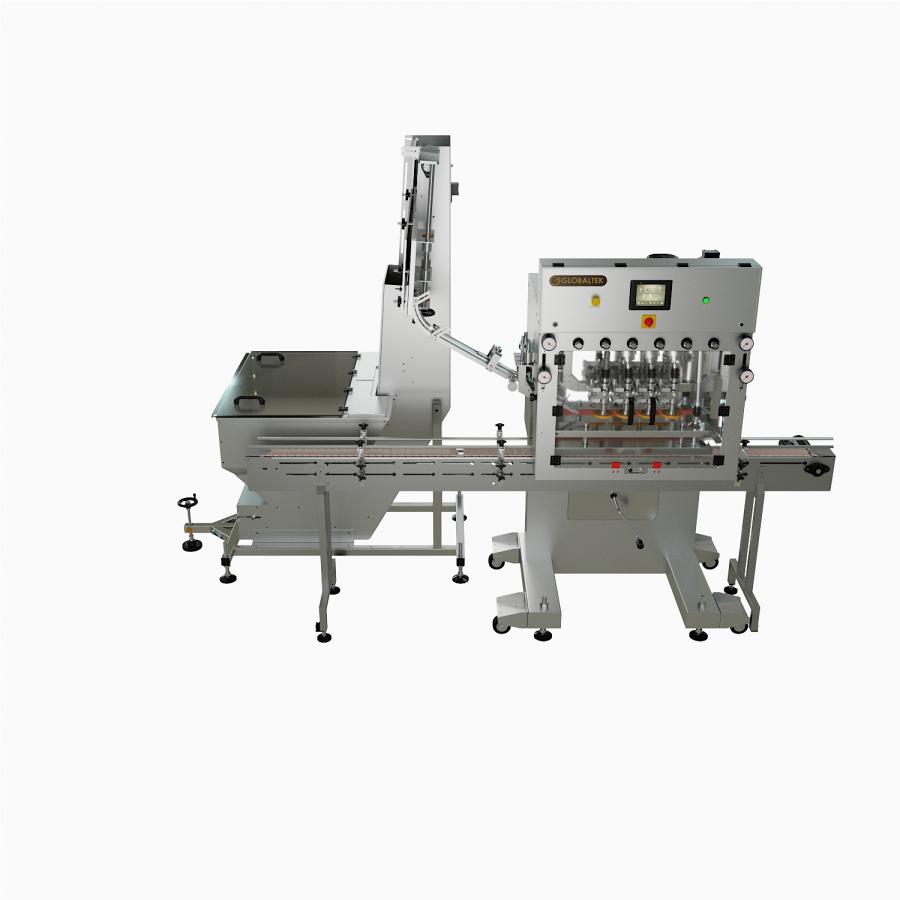
A capping machine, essential in the packaging industry, automatically seals containers to keep products safe and fresh. Efficient and accurate, this engineering wonder tightens caps with confidence, removing the possibility of mistakes. Imagine never worrying about product spillage or contamination again!
Whether you're packing food, pharmaceuticals, or cosmetics, there's a perfect model out there. From understanding different types to reaping the benefits of automatic cappers, choosing wisely based on your needs, innovations that change the game, crucial maintenance tips, enhancing productivity through automation, and adhering to safety standards, this guide covers it all.
In a process where timing is everything, it's essential to get every single piece of the puzzle just right. At this point, we need a professional capping machine that can seal the container tightly so that the product will never be contaminated or leaked.
Types of Capping Machines Explained
A capping machine is a must-have for securely sealing containers. This tool ensures your product stays fresh and safe from leaks or contamination. Let's break down how it functions. Manual cappers are straightforward, requiring you to place the bottle and cap by hand before clamping them together tightly using the device's handle. While ideal for smaller operations, these manual tools demand more elbow grease but do get the job done. Our automatic capper machines entirely automate this process—no human intervention is needed beyond setting things up! Bottles travel along conveyors, caps neatly arranged onto each one amid stability features, ensuring everything stays put until precisely twisted tight by spindle wheels.
Benefits of Automatic Capper Machines
Before we dive into the meaty part of our discussion, let's get a quick overview. Automatic capper machines are game changers in the manufacturing industry, offering not just speed but reliability, too. Here's how they can transform your production line:
- Product Safety and Integrity: Ensuring your product's cap is securely fastened means everything stays inside where it should be. This step keeps contaminants out and prevents leaks that could ruin your goods before they even reach consumers. Plus, with something like a torque verification feature, you've got an extra check to make sure every cap is just right.
- Boosted Productivity: Time is money, as everyone says, which holds true in production lines more than anywhere else, perhaps. Switching to automated systems cranks up your speed significantly; try letting you meet orders faster than ever before without sacrificing quality for speed or needing to push staff harder.
- Economic Efficiency: Talk about cutting down costs. Moving from manual, labor-intensive processes towards automation reduces staffing needs on the one hand and ramps up output rates on another, achieving more at reduced expenses and making each unit cost less overall!
Selecting the Right Capping Machine for Your Needs
Picking the right capping machine for your business boils down to understanding what you need. Start by considering your output volume. How many bottles do you plan to cap per day? This will guide you in deciding whether a fully automatic machine fits you best. Then, think about bottle and cap size variability. If your product line includes different sizes, look for machines offering easy adjustment features. Next up is speed. How fast do these machines work? Some can handle hundreds of bottles per minute, which is crucial for high-volume operations. Reliability matters, too; downtime means lost profit. Don't forget to integrate with existing production lines. It should seamlessly fit into what's already there without requiring major overhauls. Finally, consider after-sales support and accessibility of spare parts because things don't always go smoothly. And when they hiccup, quick fixes save days. In short, match the machine not just to today's needs but to see tomorrow's growth taking you as well.
Maintaining Your Automatic Capper Machine
After you buy your auto capper machine, make sure to train your crew on how it works. They need to know the right way to use and troubleshoot it. Also, keep individuals without technical skills from messing with the settings. Check the machine regularly according to a set schedule. Catching issues early can save you cash down the line. Always lubricate moving parts properly, or they'll wear out faster, increasing your chances of breakdowns. If parts like rubber wheels get worn out, replace them asap; otherwise, caps might not be put on tightly enough before and after using this equipment. Clear off any dirt with a soft cloth and proper cleaner. Keeping everything tidy matters more than we sometimes think! Plus, maintaining order helps things run smoothly in the long term. Keep in touch with experienced machinery suppliers for when troubles pop up—someone who knows their stuff inside out is priceless during crunch times.
Improving Efficiency with Automated Cap Placement
Before we dive into the specifics, let's understand how automated cap placement can revolutionize efficiency in production lines. This segment examines key benefits that these systems bring to your manufacturing process.
- Consistency and Quality Assurance: In every cycle, automatic cappers ensure caps are precisely applied, which eliminates product leakage or contamination risks. This consistency maintains product quality at high standards. As a result, customer trust strengthens alongside brand loyalty.
- Enhanced Production Speeds: Automation dramatically accelerates the capping process without compromising on quality. Products hit the market faster than ever before, meeting consumer demands efficiently and leaving competitors behind in speed.
- Cost-Efficiency Over Time: The initial investment may seem steep, but long-term savings from reduced labor costs and the minimization of waste due to errors should be considered. Such technology also dodges costly recalls by getting it right every single time it seals a container flawlessly.
A capping machine seals containers like bottles, ensuring they're tightly closed. Essential in packaging, it protects contents from spoiling or leaking during transportation and storage. This tool varies by the type of cap used. Screw caps to snap-on lids operate either semi-automatically or fully automatically, depending on production needs. For businesses looking to streamline their packaging process, a reliable capping solution is key. It boosts efficiency while maintaining product safety and integrity. A critical investment for any operation concerned with quality control in packing liquids or solids alike.
What is The Difference Between an Induction Seal and a Heat Seal?
01/03/2025
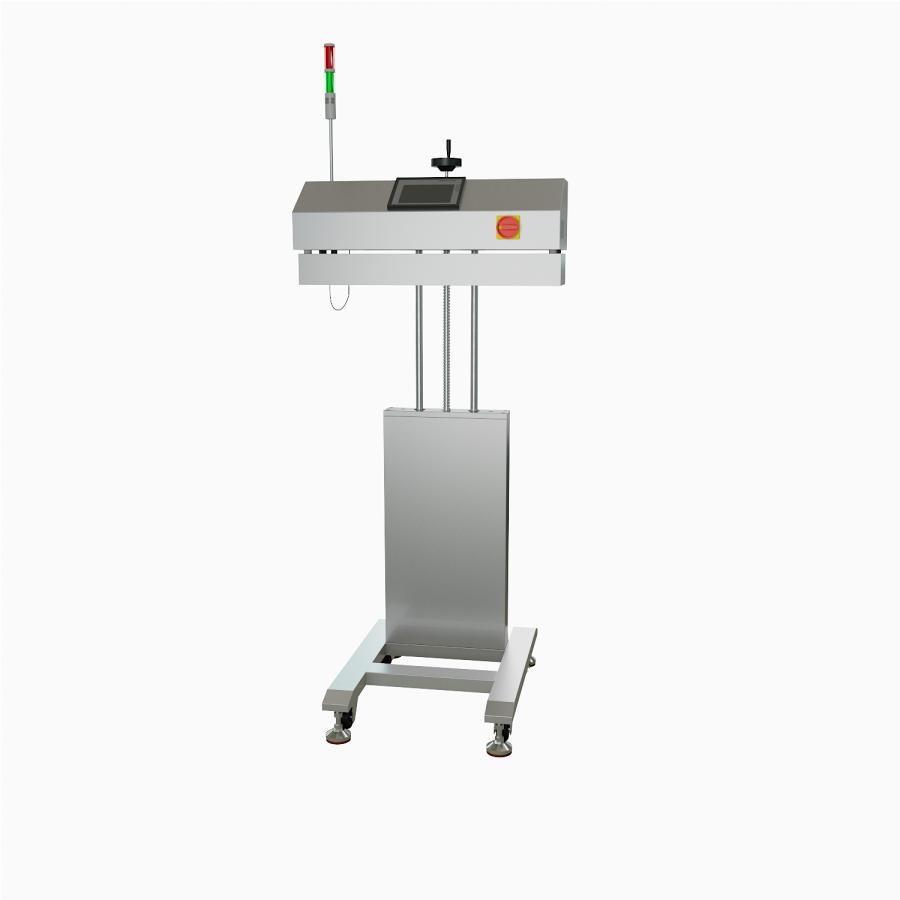
When packing something, how do you decide between an induction seal and a heat seal? Both methods have their own perks. Induction sealing involves using an electromagnetic field to bond the seal without direct contact. Heat seals involve directly heating materials to stick them together. Packaging pros know the secret to a secure seal lies in induction and heat technology.
Now we're down to the wire: which approach really delivers? Let's start with understanding what exactly induction sealing entails.
Exploring Induction Seal Technology
Induction seal technology uses an electromagnetic field to bond a liner, fitted inside a cap, to the container mouth. The process starts when the conductive material in the liner responds to the electric current from an induction sealer. This reaction generates heat that melts and then solidifies this lining, thereby sealing off goods with precision. Unlike direct methods like heat sealing, which physically contacts materials to bond them together, forming strong seals mostly seen on snack bags or pharmaceuticals. Heat sealers can be less safe due to high-temperature exposure risks. A heat induction sealer keeps products tamper-proof without exposing operators or sensitive contents to extreme temperatures. They're widely preferred across various industries despite higher initial investment costs compared to simpler thermal techniques.
Benefits of Heat Seals in Packaging
Before we get into the details, let's set the stage. We're exploring heat seals in packaging, an area where we've spent a good part of our career advising companies on how to use them for maximum benefit. This process might seem simple at first glance: Apply heat, press materials together, and voila—a secure package. But there's more to it than meets the eye.
- Versatility At Its Best: Heat sealing shines with its compatibility across diverse materials. From plastics to laminates, it bonds them all with ease. Each project could call for different material combinations; this method doesn't flinch. Flexibility is key in packaging designs, and here it excels—think pouches and sachets that stand out on shelves.
- Design Flexibility Unleashed: Innovation thrives when constraints are lifted. Custom shapes? Unique sizes? Heat sealing says, 'Bring it on.' This adaptability encourages creative minds to dream up new ways for products to grab the eye. Less rigid than some alternatives, its nature invites experimentation. So next time you think about standing out—remember flexibility can make your design dreams come true.
- Economic Advantage For You: You're watching those bottom lines closely; every penny counts these days. With lower upfront costs compared to complex systems like induction sealers, heat sealing machinery represents savvy investing. Simple operation cuts down training times as well—hence accelerating productivity ramp-up phases.
Comparing Durability: Induction vs. Heat Seal
When comparing the durability of induction seals and heat seals, one key point stands out. The process behind each method significantly affects their longevity and seal integrity. Induction sealing heats a liner via an electromagnetic field, creating a strong bond without direct contact with the container's mouth. This results in a durable seal that resists tampering and leakage well. On the other hand, heat sealing involves directly heating materials to form a bond. Although effective for many applications like snack bags, this method may expose products to potential damage during sealing or through rough handling since the bonds can be more easily punctured or torn compared to those made by induction sealing. Safety-wise, you've got less risk with induction because it doesn't require touching hot surfaces—think about not worrying about accidentally setting things on fire or burning your fingers! But trying to pack something in an odd shape? That might stump an induction sealer. And yeah, while both methods offer some level of tamper evidence (which is great), if we're talking about cost-effectiveness over time, especially concerning equipment investment upfront, Let's just say initial costs for getting into induction might pinch more but could pay off long-term thanks to its broader application range and stronger seals.
Efficiency in the Sealing Process
Before diving into the meat of sealing efficiencies, here's a quick snapshot. Sealing processes vary greatly, but understanding their efficiency can be pivotal for various industries.
- Heat Generation and Application: In an induction seal process, heat is generated through electromagnetic fields. This avoids direct contact with containers. For heat seals, though, machinery directly applies heat to materials needing fusion.
- Safety Measures Required: Induction sealing offers greater safety due to its non-contact nature. Heat sealing poses risks with potential overheating or burns from direct interaction with high temperatures.
- Versatility in Container Shapes and Sizes: Heat sealing shows flexibility across different material types, including films and foils; however, it struggles with irregular shapes that induction easily accommodates thanks to adjustable electromagnetic fields adapting as needed.
Cost Implications for Businesses
Choosing between induction seals and heat seals has serious cost implications for businesses. Induction sealing, while offering a tamper-evident seal, requires the purchase of an induction sealer machine. These units can be priced upfront but tend to have lower ongoing costs since they use energy only when sealing. On the other hand, heat sealers are generally less expensive initially but might lead to higher operational expenses over time due to continuous power consumption and the need for constant maintenance. Material costs also differ; induction-seal materials often come at a premium compared to those used in heat-sealing processes. Setups involving complex machinery like induction require specialized training and inflating labor expenses. Basic heat seal machines require minimal training, keeping labor costs lower. Lastly, product waste impacts your bottom line too; incorrect application using either method could see you discarding products that failed during improper sealing attempts, adding yet another layer into this financial balancing act businesses must navigate effectively.
Choosing Between Induction and Heat Seal
When deciding between induction and heat sealing, consider your packaging needs. Induction sealing uses electromagnetic energy for a contactless, tamper-evident seal, which is ideal for high-speed production lines and ensuring product integrity. It’s perfect for securing bottles and containers without direct heat contact.
Heat sealing, on the other hand, uses direct heat and pressure to bond materials, making it suitable for flexible packaging like bags and pouches. While it’s versatile and cost-effective, it may require more maintenance due to direct heating components.
For efficiency and precision, GLOBALTEK®’s Continuous Duty Air-Cooled Induction Sealer offers industry-leading sealing performance, ensuring consistent, secure packaging every time.
Meet Globaltek®’s New Pack-It Robotic Case-Erector & Packer
12/10/2024

Why Choose the Pack-It? A Machine Crafted for Precision and Versatility
Globaltek®’s Pack-It isn’t just another piece of equipment; it’s the result of meticulous research, advanced engineering, and a deep understanding of our clients’ needs. At its core lies a state-of-the-art 6-axis FANUC robotic arm, delivering precise handling and positioning for every box. Built with adaptability in mind, the Pack-It seamlessly adjusts to different box sizes, styles, and configurations, providing unmatched reliability for industries such as food and beverage, pharmaceuticals, nutraceuticals, personal care, and more. But the Pack-It doesn’t stop at functionality. It’s designed to represent the future of automation: streamlined, user-friendly, and performance-driven. From its robust construction to its energy-efficient design, the Pack-It aligns with Globaltek®’s ethos of combining cutting-edge technology with practical, real-world benefits.
Made by Globaltek®, Trusted by Industry Leaders
At Globaltek®, every product we develop is backed by years of expertise in industrial automation and packaging equipment. The Pack-It stands as a testament to our ability to innovate and deliver reliable solutions to production lines across the globe. Designed for small-footprint integration with existing systems, the machine offers customized options for clients who demand peak efficiency. Our in-house team has ensured that the Pack-It not only delivers performance but also maintains the durability and precision our clients have come to expect. With adjustable infeed gripper belts to smoothly transfer materials and an intuitive touchscreen control panel for real-time adjustments, the Pack-It is tailor-made to keep your operation running smoothly and efficiently. It’s this attention to detail that has made Globaltek® a trusted name in the industry.
Built to Perform, Built to Last
What sets the Pack-It Robotic Case-Erector & Packer apart?
- 6-Axis FANUC Robotic Arm: Industry-leading precision that ensures every box is packed accurately and efficiently, minimizing waste and downtime.
- Customizable Settings: Flexibility to meet your unique packaging needs, whether you’re running short or long production cycles.
- Advanced Touchscreen Control Panel: A user-friendly interface allows operators to monitor, adjust, and diagnose the machine in real time.
- Output Performance: Handles high production volumes effortlessly, increasing throughput while maintaining accuracy.
- Compact, Durable Design: Engineered to withstand the rigors of industrial environments while saving valuable floor space.
- Seamless Integration: Features like adjustable infeed gripper belts make the Pack-It an easy addition to your existing production line.
- Delivering More Than Automation—Delivering Confidence
Experience the Globaltek Difference
As a company dedicated to pushing the boundaries of what’s possible in automation, Globaltek® invites you to explore the future of packaging with the Pack-It. Contact our team today to learn how this innovative system can transform your production line and keep you ahead in an ever-evolving industry. Each Pack-It machine is backed by Globaltek®’s promise of quality and exceptional customer support, ensuring you’re not just investing in automation but in a partnership designed to help your business thrive.
What is an Induction Cap Sealer?
10/01/2024

An induction cap sealer is a revolutionary tool in packaging that ensures products are safe, fresh, and tamper-proof. Leveraging non-contact sealing technology offers superior hygiene during the sealing process. As containers move under the sealer’s head, an airtight bond forms without direct contact, preventing contamination and preserving product integrity.
Notably, it creates a seal that can only be broken by damaging it—providing clear evidence if tampering occurs. Moreover, this method effectively prevents contaminants from entering products' packages, thereby extending their freshness.
Discover Induction Cap Sealing
Induction cap sealing is all about keeping your products safe and fresh. Imagine this: As your container moves along a conveyor belt, it goes under a machine that doesn't even touch the top but seals it tightly. This magic happens with an induction cap sealer.
It uses a special liner inside the cap to create a secure seal without direct contact, ensuring everything stays clean—a big plus for anything you’re putting on or in your body. But there’s more; these sealed caps can’t be opened without leaving evidence behind. This means any tampering will be immediately noticeable, giving you added confidence in your product’s safety.
Plus, no worries about leaks during transport that could ruin boxes and labels or leave customers unhappy. These machines work fast enough to handle lots of containers quickly while using less energy than other types might require. Whether running small batches manually or large orders automatically, they fit just right into any production line size or speed need without skipping a beat—or spilling one either!
Benefits of Using an Induction Sealer
By using an induction sealer, you guarantee your products' safety and freshness. This tool skillfully seals caps onto containers, creating a robust barrier against contaminants. The seal acts like armor, blocking out moisture and air that can spoil contents or lead to contamination.
What's more impressive is its ability to extend shelf life significantly. Products last longer on shelves without losing quality—critical for ensuring customer satisfaction and trust in your brand. Moreover, the process of sealing with this machine is remarkably efficient; it speeds up packaging lines due to its quick operation time while minimizing product waste caused by leakage during transport or handling.
Thus, businesses see operational costs reduce as they save on both material wastage and potential recalls from spoiled goods.
How Does an Induction Cap Sealer Work
An induction cap sealer uses an electromagnetic field to create a high-quality hermetic seal on your product's packaging. This method is especially useful for jars and bottles in industries like food, health, or automotive. Here's how it works step-by-step: First, the bottle gets capped with its liner made up of three layers—backing, foil, and heat seal facing the jar top.
When you run this through an induction sealing machine under precise pressure (thanks to torque settings), it doesn't touch the package but uses electromagnetic waves to heat only the foil layer. This targeted heating melts down the crucial inner-most layer (heat seal), which then fuses firmly with the bottle or jar opening, creating an airtight lock against contaminants. It also preserves the contents from oxygen and moisture damage and stops leaks—essential during rough shipping stages.
Remembering key elements like proper cap pressure application ensures no room for errors leading to leakage issues later on. This affects product integrity from the factory floor to the consumer's hands, ensuring safety and extended shelf life.
Choosing the Right Equipment for Your Needs
The GLOBALTEK® Continuous Duty Air-Cooled Induction Sealing Machine offers a contactless system to tightly seal plastic and glass containers, with a sealing size from 15 mm to 120 mm and speeds of up to 200 bpm on 30 mm caps. Operating on 220 V / 1 PH / 60 Hz, it's perfect for high-volume lines, running continuously for up to 24 hours without overheating. Optional add-ons include a Bottle Jam Sensor, No Foil Detection with Reject, and Spacing Wheel.
Look into this model if you handle products requiring hermetic seals without direct touch—perfect for preserving freshness and preventing leaks. Its air-cooled feature means it can operate continuously without overheating, ideal for high-volume production lines where downtime isn't an option. Ensure your operation meets these criteria before making a purchase decision.
Safety Measures When Operating A Sealers
Safety is key to the use of the GLOBALTEK® Induction Cap Sealer. Always ensure your workspace is dry and well-ventilated to prevent any risk of electrical hazards or overheating. Before starting, double-check that each container cap matches its designated sealer head size; this avoids improper sealing, which can lead to product spoilage.
Wear protective gloves and eyewear to shield yourself from accidental splashes or debris during operation. Never bypass safety guards or attempt maintenance while the machine is powered on – always disconnect the power first. Regular inspections for wear and tear on seals and electrical cords are vital in preventing accidents before they happen.
Remember, proper training on equipment handling ensures everyone's safety.
Maintenance and Troubleshooting Tips
To keep your induction cap sealer in excellent condition, always address common problems quickly. If you notice a weak or missing seal, it might be due to a conveyor speed that is too fast or low machine power, preventing the foil liner from heating properly. Adjusting coil height can also help, as incorrect positioning affects heat transfer.
Ensure caps are tight enough and use liners compatible with your container material—misalignment leads to sealing issues. Contamination on the bottle's mouth could disrupt bonding; keep surfaces clean. When facing a water shortage alarm, replenish tank levels and ensure good pump operation by checking for blockages at inlet points and maintaining cooling fans effectively.
If an induction head fails, inspect solid-state relays for electricity conduction issues or consider replacing damaged heads altogether. Lower motor power settings to regulate temperature better during slower production speeds — adjust coil heights accordingly. Difficulty removing caps may indicate inadequate sealer power or improper coil placement affecting wax melting; adjusting capping torque helps prevent overtightening, which compacts foam against the liner, creating adhesion problems.
A high removal torque suggests insufficient wax suction, possibly caused by rapid conveyance or inappropriate application pressure--adjust these elements, including choosing correct-sized liners. Finally, if foil detection repeatedly fails, clear any sensor obstructions using thicker foils when necessary, ensuring reliable seals every time. Maintain regular cleaning lubrication part-inspection routines, extending equipment lifespan significantly following manufacturer's guidelines, ensuring consistent performance, preserving product integrity across batches safely and efficiently, and reaching customer satisfaction benchmarks seamlessly.