
Common Mistakes That Damage Products in Shrink Wrap Heat Tunnels
06/17/2025
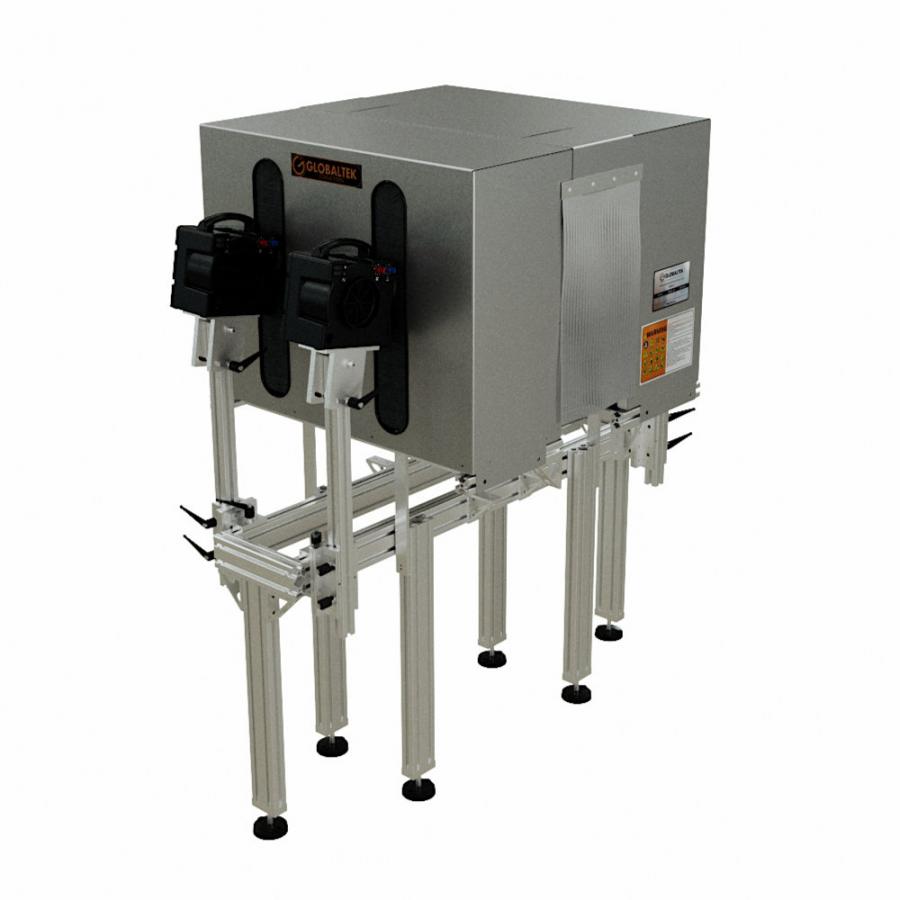
Shrink wrap heat tunnels are a great way to get products ready for shipping. They seal packages securely. However, simple errors such as setting the wrong temperature or selecting a mismatched product size can really impact efficiency. "Dog ears" are a minor problem, but more serious damage (like burn holes) is also possible.
Product safety and appearance suffer from these defects, leading to dissatisfied customers. Proper machine calibration is crucial to prevent these problems; it ensures the right amount of heat is applied evenly across each item's surface.
Neglecting Proper Temperature Calibration
Neglecting proper temperature calibration in a shrink wrap heat tunnel can lead to an array of packaging mishaps that compromise product integrity. One common consequence is the formation of "dog ears," where corners or edges crinkle due to uneven material distribution or excessive localized heat. This not only mars the presentation but also risks tears during transit, potentially exposing products to damage. Similarly, burn holes emerge when too much heat melts through the shrink wrap, destroying its protective capability and leaving items vulnerable before they even reach consumers. Moreover, improper calibration may cause ballooning: trapped air forming bubbles under the film, which distorts package appearance and threatens product security during handling. Managing these issues starts with meticulous temperature checks. This ensures your industrial heat tunnel for packaging operates within optimal heating parameters for flawlessly wrapped products.
Ignoring Film Type Compatibility
Ignoring film type compatibility can lead to several issues in the shrink-wrapping process. If you use a shrink film that's too large or of low quality, it won't seal correctly around your product. This mismatch causes what should be smooth packaging to show unsightly wrinkles or "fish eyes," indicating poor application. To fix this, ensure you're using the right size and gauge of shrink film for your items. Adjusting heat tunnel temperature, fan speed, and conveyor pace also helps tailor the process to your specific need for a clean look without holes or weak side seals. Remember, proper sealing ensures an attractive finish that enhances shelf appeal and protects your product efficiently.
Skipping Regular Maintenance Checks
Skipping regular maintenance checks on shrink wrap heat tunnels can lead to unpleasant surprises. Unexpected downtime, poor seal quality, and increased operational costs are just the start.
- Reduced Seal Integrity: Regular maintenance ensures that sealing components operate at optimal temperatures for different shrink films. Without this attention, seals might weaken over time. For example, polyvinyl chloride (PVC) shrinks under hot conditions but hardens when cold; without proper adjustments and checks, this characteristic compromises its integrity as a dependable wrapping material.
- Increased Down Time: Lack of regular upkeep often results in sudden machine failures or inefficient operations needing unscheduled repairs, eating into valuable production time significantly. Heat tunnels working with cross-linked polyolefin shrink film require precise temperature control to prevent damage to sensitive products due to high sealing and shrinking temperatures.
- Higher Operational Costs: Neglecting routine service can cause machines to consume more energy than necessary or even become completely unworkable, a direct hit on your bottom line, considering higher energy demands result in rising electricity bills plus additional expenses for emergency fixes or replacing parts damaged by negligence.
Mismatched Product and Tunnel Sizes
Mismatched product and tunnel sizes can lead to inefficient packaging processes. Here's how choosing the right size matters in shrink wrapping.
- Inconsistent Wrapping: Not matching products with the appropriate tunnel dimensions leads to uneven heat distribution. This inconsistency often results in poorly sealed packages that lack uniformity, making them look unprofessional on store shelves. The efficiency of your production line decreases dramatically when items are repeatedly passed through a tunnel not fitted for their size.
- Increased Waste: Using a tunnel that is too large or too small for your products typically increases waste. Shrink wrap tunnels such as our 1808-28 model efficiently handle medium-sized items, ensuring material is used optimally without excess waste or rework needed. Conversely, mismatching may require additional cycles, using more film than necessary, and impacting cost savings seen from improved labor time.
- Risk of Product Damage: Incorrectly sized tunnels place products at risk due to overheating or insufficient coverage. For instance, if a smaller item goes into our larger 1808-44 High-Speed Shrink Tunnel without proper settings adjustments, it could experience distortion or melting because of excessive exposure to high temperatures meant for bigger batches, thereby damaging what was supposed to be protected against contaminants and physical harm during transportation.
Failing to Train Operators Effectively
Failing to train operators effectively is a common mistake that can damage products in shrink wrap heat tunnels. Proper training ensures smooth operation and optimal packaging outcomes.
- Understanding Heat Tunnel Settings: Operators must know how to adjust the temperature, conveyor speed, and blower airspeed for different product types. For instance, if dog ears or fish eyes appear on the packaged product, these issues often stem from incorrect heat tunnel settings, such as too low temperature or inappropriate conveyor speed.
- Selecting the Right Shrink Film: Understanding the differences between PVC and POF shrink films matters greatly for quality control during packaging processes with industrial heat tunnels. An effective operator should be able to choose suitable film type based on product shapepless excessive width causing dog ears, demonstrating versatility in handling diverse packaging needs while reducing wasted resources.
- Recognizing Common Issues: Early identification of problems like insufficiently shrunk wraps due to inadequate airflow indicates well-trained personnel at work beat faster response times leadets better precisione Fixing such errors requires informed adjustments either through increasing heats lowering conveyor speeds nots adjusting airflow within the tunnel's system.
In summary, avoiding common mistakes in shrink wrap heat tunnels ensures product integrity and operational efficiency. Key errors like incorrect temperature settings, improper conveyor speeds, and mismatched film types can lead to damaged goods and increased waste. By applying precise control over these elements, such as those offered by GLOBALTEK® solutions, you significantly enhance production quality. Remember that success lies in understanding your equipment's capabilities and employing best practices for optimal outcomes.
Comments
No posts found