
Choosing Conveyor Manufacturers in the Southern U.S.: Key Criteria
07/13/2026
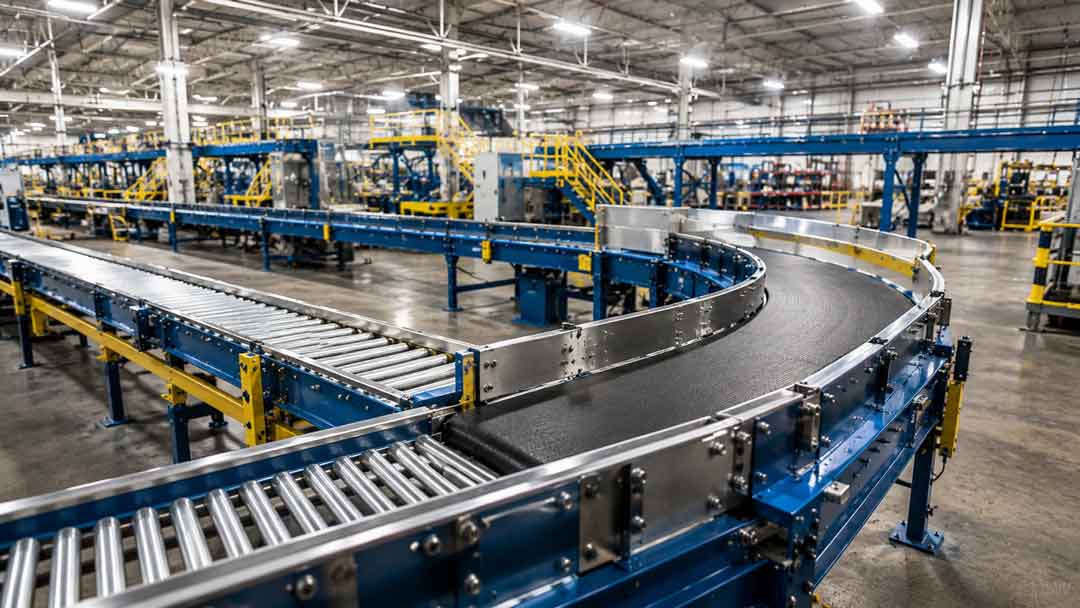
Choosing conveyor equipment manufacturers for packaging systems across the Southern U.S. requires careful evaluation of regional experience, engineering capabilities, and long-term support. Food, pharmaceutical, cosmetic, and nutraceutical manufacturers throughout the region often require systems designed around specific production requirements and facility layouts.
We focus on designing Conveyor Systems around actual operating conditions rather than one-size-fits-all configurations. Stainless steel construction remains important in production environments where sanitation, durability, and operational consistency are priorities.
Equipment performance depends on more than hardware alone. Technical support, maintenance planning, and communication all contribute to long-term operational success. In addition, lead times and delivery reliability remain important considerations for facilities managing seasonal demand, export schedules, or high-volume production requirements.
Regional manufacturing experience continues to play an important role when selecting conveyor equipment manufacturers that understand Southern production environments.
Regional Experience With Southern Industries
The Southern U.S. has a diverse industrial base where regional experience can provide valuable insight into facility requirements. Many food, beverage, pharmaceutical, and cosmetic manufacturers in Texas, Georgia, Florida, and neighboring states require systems designed around local operating conditions, sanitation requirements, and production goals.
As a result, regional knowledge helps us design conveyor systems for packaging that align with production workflows found in facilities throughout the South. These systems are often configured to support seasonal demand cycles, production fluctuations, and facility-specific requirements.
The U.S. Bureau of Labor Statistics notes that the Southern region accounts for a significant share of manufacturing employment nationwide. Many facilities rely on equipment designed for high-volume production while supporting sanitation and operational requirements.
We regularly work with facilities that require Conveyor Systems incorporating sanitary designs, stainless steel construction, and washdown-friendly features. These requirements are common throughout food processing, nutraceutical manufacturing, and beverage packaging operations.
Production requirements often differ between nutraceutical facilities in Tennessee, beverage manufacturers in Florida, and agricultural processors along the Gulf Coast. Regional experience helps support efficient project planning and system integration throughout these environments.
Many Southern manufacturers also operate near major transportation hubs and export ports, making delivery schedules and service accessibility important parts of equipment selection.
The result is conveyor systems for packaging that reflect both industry requirements and regional production needs. Our experience across Southern industries allows us to design systems that support long-term operational objectives while maintaining production efficiency.
Custom Solutions for Packaging Needs
Custom solutions in packaging are vital because every product has unique movement, spacing, and handling requirements. Facility layouts, production goals, and product characteristics often require equipment designed around specific applications.
- Tailored Conveyor Layouts: Custom Conveyor Systems support modular and cleated configurations that move bulk materials or irregularly shaped products efficiently, even within facilities that have space limitations or complex layouts.
- Product-Specific Handling: Custom features such as speed controls, guides, and guarding can be configured for fragile, heavy, or uniquely shaped products to support product handling requirements throughout production.
- Space Optimization: Incline conveyors, overhead configurations, and compact layouts can help maximize available floor space while supporting efficient product flow.
- Integrated Automation: We design systems that integrate with Liquid Filling Equipment, Rotary Equipment, and Capper Machine solutions to support coordinated production line operation and future expansion requirements.
Material Quality and Durability Standards
Material quality and durability standards play a key role in ensuring Conveyor Systems perform consistently throughout demanding industrial operations. Clear manufacturing standards support equipment longevity, sanitation, and operational reliability.
- Certified Materials: Primary conveyor components should meet recognized ANSI and CEMA standards applicable to industrial conveyor applications in the United States.
- Stainless Steel Use: High-grade stainless steel is commonly selected for frames and product-contact surfaces because of its corrosion resistance and cleaning accessibility.
- Fire and Heat Resistance: Conveyor belts and associated materials should satisfy applicable flammability and heat-resistance requirements when used in environments exposed to elevated temperatures.
- Wear and Tear Tolerance: Conveyor belts, rollers, and moving components should demonstrate tensile strength and abrasion resistance consistent with applicable industry standards.
- Structural Endurance: Frames, weldments, fasteners, and structural supports should withstand repeated production cycles while maintaining alignment and operational stability.
Comprehensive Service and Maintenance Options
Service and maintenance programs remain important considerations when evaluating conveyor equipment manufacturers. Well-structured support programs help maintain operational consistency and equipment reliability.
- Scheduled Preventive Maintenance: Routine inspections, alignment verification, and wear component replacement help support equipment longevity and operational consistency.
- Maintenance Planning: Structured maintenance schedules help facilities organize service activities and maintain equipment performance throughout production cycles.
- Emergency Response Support: Service teams should be available to assist facilities when unexpected maintenance requirements occur, particularly in regulated manufacturing environments.
- Compliance-Focused Inspections: Routine inspections help verify equipment condition, maintenance status, and operational readiness within regulated facilities.
- Operator Training Programs: Training programs support proper equipment operation, routine inspection procedures, and maintenance awareness throughout daily production activities.
Lead Times and Delivery Reliability
Lead times and delivery reliability directly influence installation schedules, project planning, and production timelines. Evaluating manufacturing and delivery capabilities helps support smoother project execution.
- Integrated Manufacturing Control: Centralized fabrication and assembly processes help improve production scheduling and coordination throughout equipment manufacturing.
- Predictable Lead Times: Controlled manufacturing processes can provide greater visibility into production schedules and shipment planning.
- Project Management Accountability: Dedicated project management helps coordinate production schedules, installation planning, and communication throughout project execution.
- Efficient Prototype-to-Production Transitions: In-house manufacturing processes can help streamline the transition from concept development to production-ready equipment.
Client Support and Communication Strength
Reliable client support contributes to successful equipment implementation and long-term operational performance. Consistent communication helps maintain project visibility and service accessibility.
- Responsiveness to Service Requests: Timely communication and support help facilities address operational questions and maintenance requirements efficiently.
- Project Status Updates: Regular project updates provide visibility into production schedules, installation milestones, and delivery planning.
- Dedicated Points of Contact: Assigned project representatives help coordinate installation activities, upgrades, service requirements, and technical communication throughout the project lifecycle.
GLOBALTEK® designs and manufactures Conveyor Systems, Packaging Equipment, Rotary Equipment, Liquid Filling Equipment, and Capper Machine solutions for regulated manufacturing environments. Our equipment incorporates UL-certified components and is built to support facilities operating under strict sanitation and production requirements.
We customize every system to match facility layouts, product specifications, and throughput objectives. This approach supports efficient integration, maintenance, accessibility, and future expansion requirements.
Facilities across the food, pharmaceutical, nutraceutical, and cosmetic industries continue to require equipment that balances compliance objectives with production efficiency. Our Miami-based engineering and manufacturing operations allow us to support projects throughout the Southern United States with Made in the USA equipment and technical expertise.
Through facility-specific engineering, responsive support, and integrated system design, GLOBALTEK® delivers Conveyor Systems built for long-term operational performance and manufacturing reliability.
Comments
No posts found