
Boosting Production Speed with Automated Bottle Fillers
01/11/2026
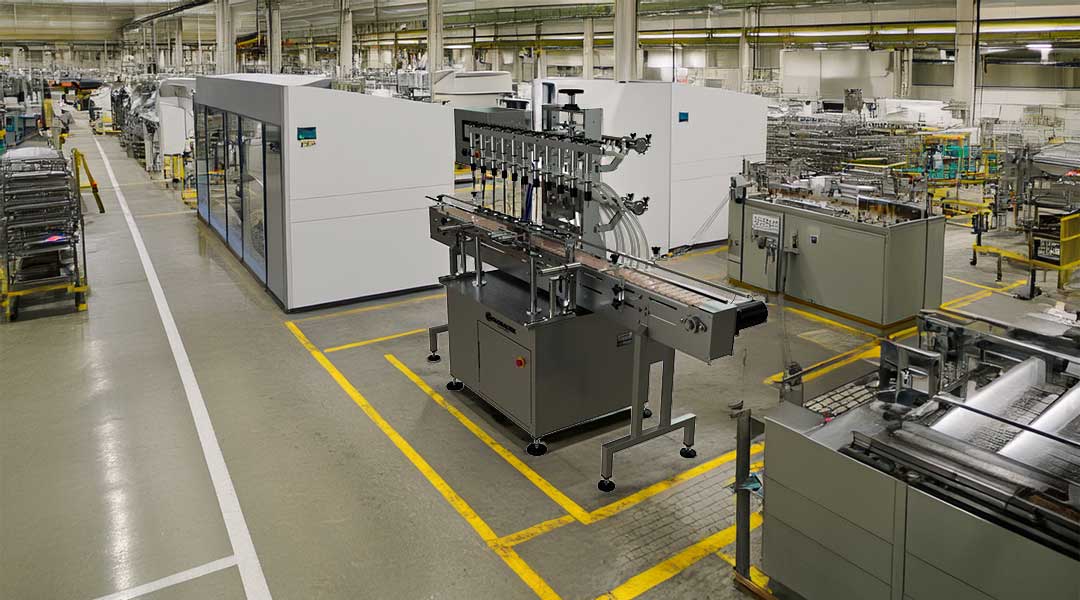
Automated bottle fillers are reshaping how modern production lines operate across food, beverage, cosmetics, nutraceutical, and pharmaceutical environments. As output demands increase, consistency and sanitation must keep pace without introducing complexity or downtime. At GLOBALTEK®, we design Packaging Equipment that supports higher throughput while maintaining predictable, repeatable operation across every shift.
Automation improves line speed by reducing manual handling and creating a more controlled filling process. When fill volumes remain consistent and containers move smoothly through the line, spills decrease, and rework becomes less frequent. Integrated Conveyor Systems further support sanitation requirements by maintaining orderly product flow from start to finish.
Beyond speed alone, automation allows facilities to scale production and adjust processes with less disruption. Changeovers become more manageable, downtime is reduced, and teams can focus on quality oversight rather than repetitive tasks. The result is a filling operation built for sustained performance rather than short-term gains.
Enhancing Production Efficiency with Automation
Improving line speed begins with the right automatic bottle filling equipment designed to support steady output and reliable operation. Automation removes variability from manual processes and replaces it with controlled, mechanical motion that aligns with production targets.
Improved Throughput Stability: Automated fillers maintain a consistent operating rhythm, allowing production lines to run at predictable speeds without frequent stops. This stability helps teams plan output more accurately across each shift.
Repeatable Fill Performance: Consistent fill cycles reduce variation between containers, which supports uniform packaging and minimizes downstream adjustments during capping or labeling.
Operational Scalability: Automated systems are engineered to adapt as production needs evolve. Line speeds can be adjusted within the equipment’s design range without reworking the entire process.
Reduced Interruptions: By standardizing filling actions, automation lowers the frequency of manual corrections that slow production and disrupt workflow.
Reducing Labor Costs through Automation
Automation shifts labor away from repetitive filling tasks and toward higher-value operational roles. This transition supports both productivity and workforce efficiency without compromising output.
Streamlined Staffing Needs: Automated filling systems handle repetitive actions consistently, reducing the number of operators required directly on the filling line.
Balanced Workloads: With fewer manual tasks, staff can focus on quality checks, material handling, and line oversight rather than constant intervention.
Lower Rework Requirements: Consistent filling reduces the need for corrective actions, which helps minimize wasted labor tied to reprocessing or cleanup.
Sustainable Production Scheduling: Automation supports steady output without relying on extended shifts or fluctuating staffing levels during demand changes.
Improving Filling Accuracy and Consistency
Consistency is essential for maintaining both speed and product integrity. A well-designed bottle filling machine supports predictable results across extended production runs.
Uniform Fill Volumes: Automated fillers are configured to deliver the same fill cycle repeatedly, helping maintain consistency regardless of container shape or production pace.
Stable Product Presentation: Uniform fills support smoother downstream operations, including capping, labeling, and case packing.
Reduced Manual Handling: Limiting hand interaction decreases the likelihood of variability introduced by human error.
Flexible Configuration: Filling components can be adjusted to accommodate different product viscosities or container sizes without extensive reconfiguration.
Minimizing Waste and Spillage
Higher speeds only deliver value when product loss is kept under control. Automated filling systems are engineered to support clean operation even as throughput increases.
Controlled Dispensing: Defined fill cycles help prevent overfilling and reduce excess product loss during each run.
Orderly Container Movement: Conveyor-guided transport keeps bottles properly aligned throughout filling, reducing tipping or splashing.
Cleaner Work Areas: Reduced spillage limits cleanup interruptions and helps maintain a more consistent operating pace.
Extended Equipment Life: Cleaner operation reduces residue buildup on components, supporting smoother motion and long-term reliability.
Ensuring Hygiene and Sanitation Standards
In regulated industries, sanitation must remain consistent even as production speeds increase. Automation supports hygienic operation through design rather than added complexity.
Stainless Steel Construction: Smooth, non-porous materials support routine washdowns and help maintain clean contact surfaces.
Simplified Cleaning Access: Equipment layouts are designed to allow straightforward cleaning without extensive disassembly.
Controlled Product Flow: Consistent container handling reduces exposure during filling and supports sanitary operation.
Process Discipline: Automated sequences encourage repeatable sanitation practices that align with FDA-, USDA-, and GMP-focused environments.
Facilitating Scalability and Adaptability
Production demands rarely stay static. Automated filling systems allow facilities to respond to growth without rebuilding entire lines. Well-designed automation supports controlled expansion while maintaining consistency, sanitation, and uptime.
Modular Construction: Many GLOBALTEK® fillers are designed with modular elements that support future expansion or reconfiguration as production requirements evolve.
Efficient Changeovers: Tooling and adjustments are engineered to support quicker transitions between container sizes or product types, reducing disruption between runs.
Broad Application Range: Automated fillers accommodate a variety of liquid products, allowing production schedules to remain flexible without added complexity.
Space-Conscious Design: Compact system layouts help maximize available floor space while increasing output capacity within existing facilities.
Together, these design principles allow producers to scale output methodically, adapt to shifting demand, and protect long-term capital investment without sacrificing line stability or operational control.
Integrating Automated Systems Seamlessly
Successful automation depends on how well new equipment integrates into existing operations. GLOBALTEK® systems are engineered with integration in mind.
Floorplan-Aligned Design: Equipment is specified to match available space and workflow requirements, reducing installation disruptions.
Unified Line Operation: Fillers are designed to operate cohesively with conveyors, cappers, and downstream equipment.
Consistent Line Coordination: Mechanical synchronization across the line supports smooth container transfer and steady speed.
Simplified Operator Oversight: Clear system layouts make it easier for operators to monitor performance and maintain consistent operation.
Automated bottle fillers from GLOBALTEK® are engineered to increase production speed while maintaining control, sanitation, and reliability. Our Packaging Equipment and Conveyor Systems support consistent fills and smooth container handling across regulated production environments.
We design each system around your floorplan, throughput goals, and compliance requirements so it integrates seamlessly into your operation. From tabletop fillers to complete automated lines, our solutions are built to scale with your business while supporting long-term uptime.
To learn more about GLOBALTEK® tabletop filling solutions and how they can support faster, more reliable production, visit: https://www.globaltekconveyors.com/packaging-equipment/tabletop-fillers/
By investing in automation designed for integration and durability, production teams gain the ability to move faster without sacrificing consistency or control.
Comments
No posts found