
Avoiding Contamination: Bottle Filling Solutions
01/10/2026
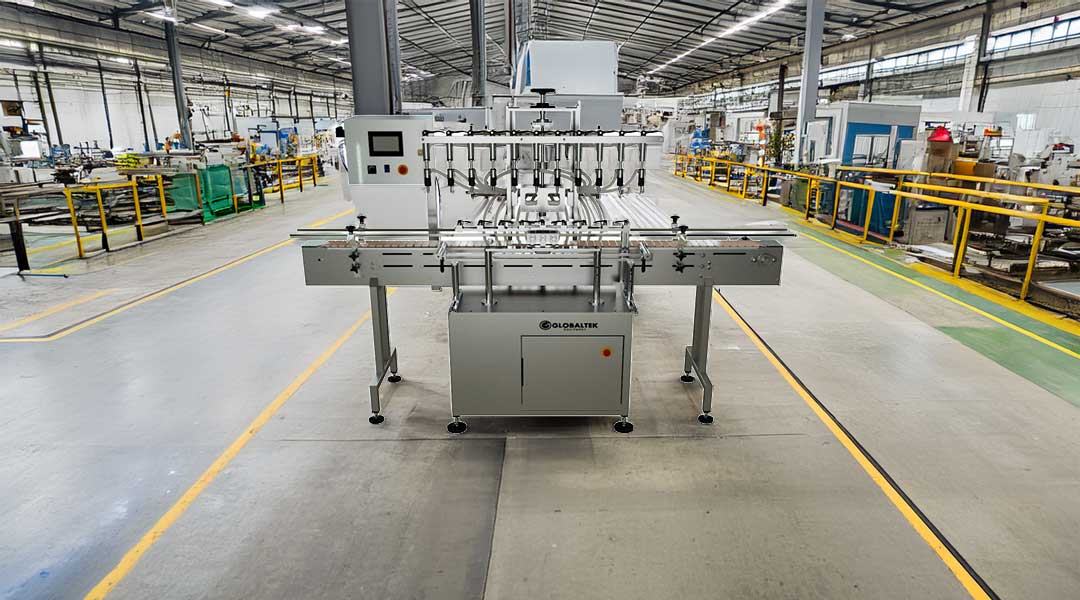
Product mix-ups can force costly recalls and interrupt bottling operations. When production volumes increase, maintaining consistent sanitation becomes a core operational requirement rather than a secondary concern. Automatic bottle filling systems are designed to support controlled, repeatable fills, while a properly specified bottle filling machine helps reduce handling variables at every stage of production.
At each touchpoint, liquids must be protected from foreign particles that can compromise product integrity or regulatory alignment. Our approach combines hygienic equipment design, disciplined material selection, and tightly integrated automation so operations remain consistent across food, beverage, pharmaceutical, and nutraceutical environments.
This process begins with practical engineering decisions that support sanitation by design, including automated wash solutions built for continuous, repeatable use.
Implement Automated Cleaning Systems
Automated cleaning systems play a key role in maintaining controlled sanitation across liquid filling operations. By reducing manual intervention, these systems help standardize hygiene practices while supporting consistent output and repeatable results.
Automated cleaning systems are configured to run scheduled rinse cycles across wetted surfaces and critical contact areas. This approach supports thorough coverage and helps reduce the likelihood of residual buildup between production runs.
With fewer manual touchpoints, opportunities for incidental contamination are reduced, which supports alignment with FDA- and GMP-focused production environments. In practice, automated cleaning also streamlines sanitation routines, allowing teams to focus on process consistency rather than repeated disassembly.
These systems further support faster product changeovers through clean-in-place routines. Reduced downtime between batches allows filling lines to maintain higher utilization without sacrificing sanitation discipline, improving overall line efficiency for automatic bottle filling systems.
Integrate Rinse-Fill-Cap Processes
Integrating rinse, fill, and cap operations into a single, continuous process supports cleaner transitions between stages and more predictable line performance. This configuration minimizes exposure during transfer and aligns with modern bottling throughput requirements.
Clean Transfer: Rinsing, filling, and capping are linked on one line, so containers move directly from one controlled step to the next. This reduces open-air exposure and supports consistent handling throughout the process. Our Packaging Equipment is engineered to maintain bottle control during each transition without unnecessary stops.
Controlled Application: Coordinated timing across filling and capping stations helps maintain uniform fill levels and consistent closure application. Multi-head Rotary Equipment supports synchronized operation that reduces variation and minimizes rework.
Operational Efficiency: When all steps operate as a unified system, adjustments are simplified, and output becomes easier to manage. Integrated lines reduce interruptions caused by misaligned containers or incomplete fills, supporting steady production at higher line speeds.
Utilize Aseptic Filling Techniques
Building on integrated rinse-fill-cap configurations, aseptic filling techniques further support contamination control in applications that require elevated sanitation standards.
Process Integrity: Aseptic filling environments are designed to limit exposure during filling and sealing, supporting cleaner product handling throughout the cycle.
Product Stability: By reducing external contact during filling, aseptic processes help maintain consistent product characteristics without relying on aggressive downstream handling.
Production Flexibility: These systems accommodate a range of liquid viscosities, allowing producers to adjust output as product demand shifts.
Operational Efficiency: Aseptic configurations can simplify downstream handling requirements, supporting streamlined workflows within regulated production facilities.
Employ Advanced Material Selection
Effective contamination control extends beyond process design into the materials used throughout the filling system. Proper material selection supports durability, cleanability, and long-term system reliability.
Corrosion-Resistant Metals: Non-porous stainless steel, including 316L where appropriate, is widely used in regulated environments due to its resistance to corrosion and compatibility with routine washdowns. These materials support consistent performance through repeated cleaning cycles and align with FDA, USDA, and GMP-oriented requirements.
FDA-Approved Seals and Gaskets: Seals and gaskets manufactured from FDA-compliant silicone or PTFE help reduce material interaction with liquid products. Their smooth profiles support easier cleaning and limit areas where residue can accumulate over extended production runs.
Smooth, Cleanable Surfaces: Equipment surfaces are designed to minimize pits, seams, and rough finishes. Smooth construction simplifies daily sanitation tasks and supports audit readiness by reducing areas where debris could persist.
Monitor and Control Environmental Factors
Even with well-designed equipment, the surrounding production environment plays a role in contamination management. Equipment design supports sanitation goals, while facility-level controls maintain stable operating conditions.
Air Quality: Limiting airborne particulates near filling zones supports cleaner operation, particularly for sensitive liquid products.
Temperature Stability: Maintaining consistent ambient conditions helps reduce condensation on containers and equipment surfaces during filling operations.
Humidity Management: Balanced humidity supports packaging material performance and reduces moisture-related disruptions during filling and conveying.
Preventative Zoning: Clear separation between filling operations and non-production activities helps maintain controlled airflow and reduces cross-area exposure.
Conduct Regular Equipment Maintenance
Planned maintenance is essential for preserving sanitation performance and maintaining consistent output from bottle filling systems.
Regular Inspection and Cleaning: Routine inspection of surfaces, contact points, and moving components helps identify residue buildup before it affects production. Maintaining clean sensors, conveyors, and mechanical assemblies supports smooth operation and predictable performance.
Timely Component Replacement: Seals, gaskets, and conveyor elements experience wear over time. Replacing these components on schedule helps prevent leaks and maintains consistent product handling.
Lubrication and Calibration: Following manufacturer-recommended lubrication and calibration practices protects mechanical components and supports accurate filling and capping performance across extended production cycles.
Implement Quality Control Measures
Quality control complements maintenance efforts by ensuring consistent fills and reliable operation throughout daily production. Within a GLOBALTEK® line, verification processes support adherence to internal specifications without disrupting throughput.
Each filling station is configured to support repeatable fill volumes aligned with product requirements. Consistent verification reduces variation and helps maintain uniformity across production runs.
Operator interfaces provide clear visibility into system status, enabling teams to identify deviations early and make adjustments before they affect output. This transparency supports efficient troubleshooting and minimizes unnecessary downtime.
By embedding quality checks into normal operation, filling lines maintain predictable performance while supporting sanitation objectives. Precision and cleanliness operate together as part of a unified system.
GLOBALTEK® Packaging Equipment is engineered to support these outcomes through durable stainless steel frames, UL-certified components, and integration-ready designs. Our tabletop fillers, Capper Machine solutions, and Conveyor Systems are built to maintain controlled product flow while simplifying sanitation routines.
From food and beverage to pharmaceutical and nutraceutical applications, we design, integrate, and commission each system to align with your production floor, speed requirements, and compliance objectives.
To explore how GLOBALTEK® tabletop filling solutions can support cleaner, more consistent bottling operations, visit: https://www.globaltekconveyors.com/packaging-equipment/tabletop-fillers/
This integrated approach allows production teams to scale output while maintaining confidence in sanitation, reliability, and long-term system performance.
Comments
No posts found