Preventing Spillage with Precision Overflow Filling
11/30/2025
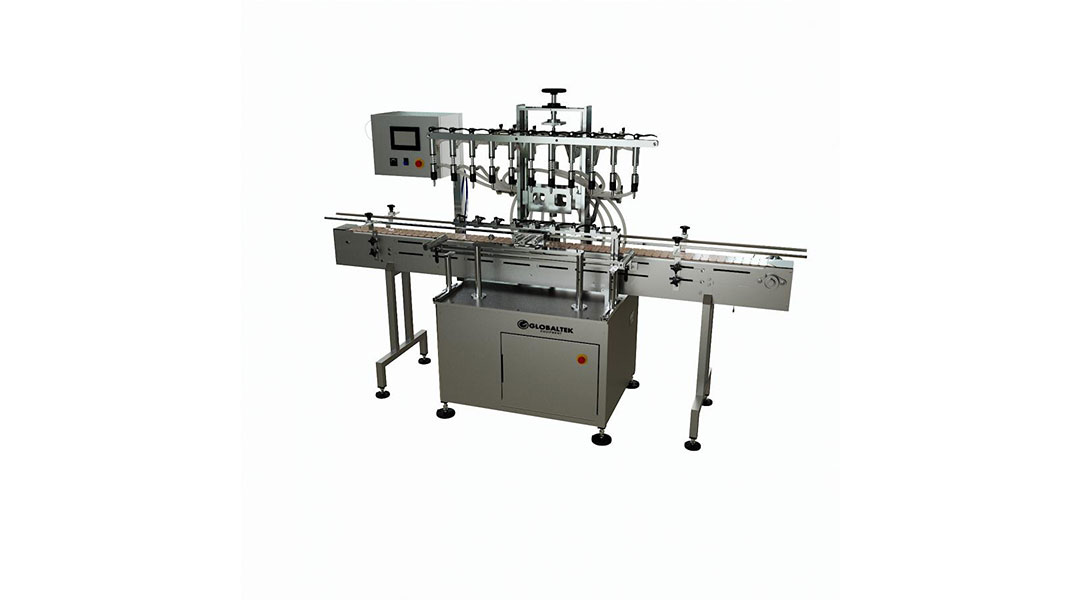
Precision overflow filling plays a critical role in reducing liquid waste and keeping production lines efficient. At GLOBALTEK®, our automatic overflow filling in packaging systems are engineered to deliver clean, repeatable results that meet regulatory compliance without sacrificing output. With advanced nozzle technology, level-sensing systems, foam control methods, and proper line configuration, you get faster throughput and consistent results, without overfills, messes, or costly product loss.
Let’s explore how each part of the system contributes to spill prevention and efficiency, starting with nozzle design.
Optimize Nozzle Design to Prevent Spillage
Optimizing nozzle design stops spillage before it starts. A precision-engineered nozzle forms a tight seal around each container, ensuring overflow liquid is recirculated back to the holding tank—not lost to the line. This approach delivers packaging that meets visual and volume accuracy standards without compromising cleanliness or efficiency.
Overflow filling nozzles from GLOBALTEK® are built to manage a wide range of product viscosities, with or without foam. They can recapture up to 0.05% of product during the fill cycle, helping reduce waste without slowing throughput. For larger containers, wider nozzles are available to maintain fast fill speeds while preserving accuracy and control.
The system’s recirculating tank ensures steady flow to every nozzle, minimizing pressure drops and maintaining uniform fill levels. Whether you’re running high-volume lines or small-batch production, our automatic overflow filling in packaging machines are designed to maintain consistency, reduce downtime, and eliminate spillage from start to finish.
Implement Accurate Level-Sensing Overflow Technology
Precision starts with knowing exactly when to stop the fill. That’s where accurate level-sensing comes in.
Smart Fill Height Detection: Sensors measure when each bottle reaches the correct liquid level, stopping fill operations in real time.
15% Waste Reduction: Compared to manual checks, sensor-based overflow systems cut waste and overfill costs significantly.
Container Variation Adjustment: Sensors compensate for minor variations in container height and diameter without halting production.
Product Compatibility: Whether you’re filling low-viscosity sauces or high-viscosity creams, these sensors adjust in milliseconds to product properties.
Minimized Rework: Fewer overfills and underfills translate into less time spent reworking or discarding faulty products.
Together with GLOBALTEK® automatic overflow filling in packaging technology, level sensors form the second line of defense against unwanted spills.
Utilize Foam Management Systems for Consistency
Foam is one of the biggest obstacles in high-speed liquid filling, and controlling it is essential for clean fills.
Anti-Foam Nozzles: Our nozzle designs send foam back to the tank, reducing overflow risk. According to Packaging Digest, these systems dramatically lower rework rates.
Bottom-Up Filling: This method lowers the nozzle into the bottle and raises it as it fills. Research shows a foam reduction of up to 35% in carbonated or aerated products.
Steady Liquid Flow: Keeping the liquid in motion pushes foam away from the bottle neck, ensuring level fills and clean caps.
Custom Machine Configurations: GLOBALTEK® machines allow for variable foam control settings depending on product thickness, temperature, or behavior.
Improved Shift Yields: With over 95% foam clearance success per shift, our systems prevent fill loss and bottle rejections.
Foam management is not optional; it’s a core requirement for consistent, spill-free packaging.
Ensure Proper Container Alignment and Positioning
Even the best equipment struggles if bottles aren’t in the right place at the right time.
Entry Orientation: Conveyor rails must guide bottles straight into the fill zone without rotation or lateral sway.
Clean Transfer Points: Misalignments between conveyor sections can jar containers, causing leaks during fill.
Even Spacing: Spacing guides and feed screws ensure every container is filled in the same position, every time.
Secure Hold Mechanisms: Bottles must be clamped or stopped in place during the fill cycle to prevent tipping or slipping.
Visual Inspections: Spotting a misaligned bottle before it reaches the nozzle prevents spills. Studies found that 8% of line spills came from alignment issues alone.
These simple yet vital controls help your overflow filling machine perform to its potential.
Maintain Consistent Filling Speeds to Reduce Foam
Steady speed equals steady flow. Disruptions in pace often lead to spills, foam buildup, and pressure fluctuations inside containers.
Uniform Line Speeds: Keep conveyor and pump speeds consistent across shifts. Tests show a foam reduction of up to 35% when speed remains constant.
Valve Synchronization: Fill valves must open and close in harmony with conveyor motion. This limits shaking and the formation of unwanted bubbles.
CO2 Pressure Control: For carbonated products, pairing stable fill speed with CO2 monitoring keeps foam under control and carbonation intact.
Real-Time Adjustments: Operators should have tools to adjust both speed and pressure mid-run without pausing the line.
Reduced Downtime: Steady speed translates into fewer jams, cleaner fills, and less operator intervention.
GLOBALTEK® systems are designed for synchronized speed and timing, keeping the line running smoothly and clean from start to finish.
Regularly Clean and Maintain Filling Equipment
Even the best-designed system needs regular upkeep. Skipping cleaning or letting buildup accumulate invites spillage and error.
Sensor Calibration: Dirty sensors drift over time, triggering early or late shutoff. Routine cleaning preserves their accuracy.
Clean Valves and Nozzles: Product residue can block flow paths, increase pressure, or affect fill weight.
Contamination Prevention: Cross-contact risks rise without strict cleaning procedures. Following a Standard Operating Procedure (SOP) is essential.
Downtime Reduction: Clean machines run faster and fail less often. A dairy plant study showed 32% less downtime and 55% faster shipments after increasing cleaning frequency.
Less Waste: Clean equipment delivers accurate, repeatable fills. This reduces product giveaways and loss across long production runs.
GLOBALTEK® machines are built with stainless steel and CIP-friendly features to support fast, hygienic cleaning cycles.
Monitor and Control Environmental Factors Affecting Filling
Lastly, the environment around your filling line can make or break your results. Everything from air drafts to humidity impacts overflow behavior.
Temperature Control: A 5°F temperature shift can raise spill rates by 11%, according to Packaging World. Our systems include options like insulated covers to maintain thermal stability.
Humidity Management: Relative humidity over 60% affects liquid viscosity and foam levels. We recommend built-in dehumidifiers in sensitive areas.
Air Filtration: Dust and airborne particles interrupt clean fills and contaminate surfaces. Plants using HEPA-filtered air saw a 23% reduction in fill-related spills.
Ventilation Zones: Localized airflow helps direct fumes and light contaminants away from the fill zone, protecting the product and equipment.
Packaging Area Layout: Keeping temperature-sensitive and foam-prone lines in separate spaces allows better control of environmental conditions.
A well-controlled line environment complements every hardware upgrade you make.
Precision overflow filling isn’t just about speed; it’s about preserving product, reducing waste, and meeting strict standards with confidence. GLOBALTEK®’s Fill-it In-Line Automatic Pressure Overflow Filler is engineered for all of the above.
With precision-engineered nozzles, stainless steel construction, and modular adaptability, our automatic overflow filling in packaging technology helps eliminate overfills, streamline cleanups, and meet compliance every time. When you’re ready to improve throughput and reduce liquid loss, contact us or learn more about the GLOBALTEK® overflow filling machine here.
Comments
No posts found