Hidden Costs of Ignoring Overflow Filling Machine Maintenance
11/29/2025
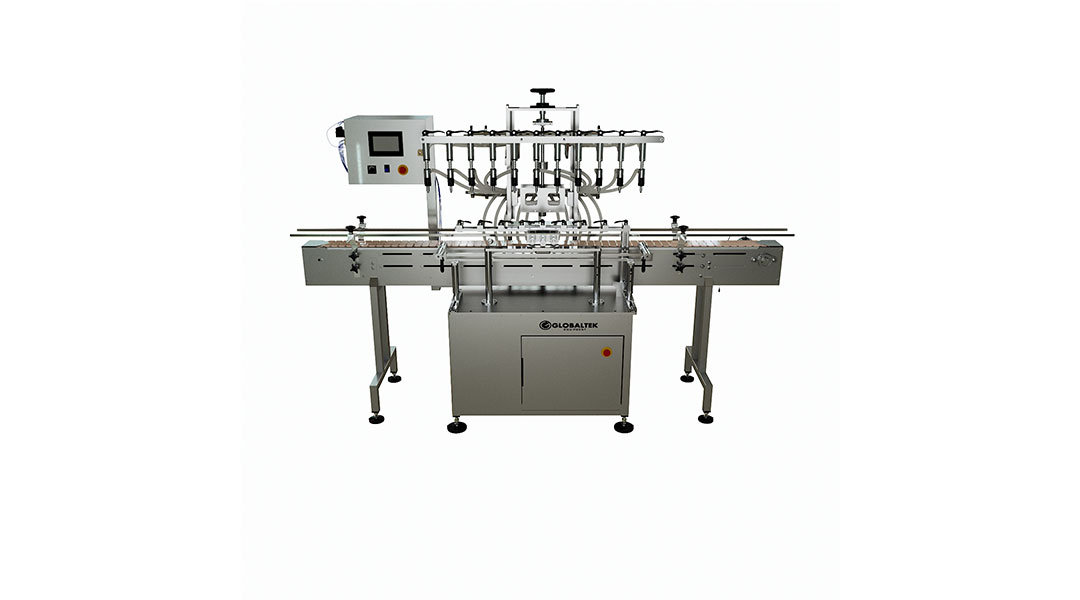
An overflow filling machine sits at the center of any efficient liquid packaging operation. Precision, consistency, and uptime are what keep your output competitive. Letting maintenance slip may seem minor in the short term, but the long-term financial impact builds quickly. Deferred upkeep affects performance, energy use, compliance, and the overall reliability of your equipment.
From emergency repairs and unplanned downtime to failed inspections and rising energy costs, the consequences of neglect extend far beyond simple wear and tear. For operations using an overflow filling machine for liquids, it’s critical to stay ahead of maintenance to avoid production setbacks and unnecessary costs.
Unplanned Downtime and Production Halts
When routine maintenance is ignored, unexpected equipment failure is inevitable. A downed filler doesn’t just pause operations; it disrupts multiple teams, schedules, and deliverables.
- Lost Production Time: Unscheduled downtime can reduce your daily throughput by 20% or more, directly cutting into your fulfillment capacity.
- Wasted Raw Materials: Mid-cycle failures often result in spills and spoiled product, increasing waste by 5–10% per shift.
- Idle Labor Costs: Line operators and technicians remain on standby during downtime, reducing total output per labor hour.
- Missed Delivery Deadlines: Delays can lead to missed ship windows, straining customer relationships and distribution commitments.
- Emergency Service Fees: Last-minute repairs require rush parts and labor, driving repair bills 50% to 100% higher than standard service rates.
Increased Repair and Replacement Expenses
Maintenance costs are predictable. Emergency repairs are not. Letting routine service slide leads to accelerated wear that can force costly equipment overhauls.
- Higher Component Replacement Costs: Without scheduled checks and lubrication, parts degrade quickly. For example, skipped fluid top-offs can lead to hydraulic damage, turning minor fixes into full replacements.
- Emergency Repair Rates Spike: When downtime forces an emergency service call, expect premium rates and overtime labor fees. These costs can exceed planned maintenance by 30% or more, according to industry sources.
- Multiple Machine Failures Multiply Costs: When multiple overflow filling machines are neglected, a single repair budget can spiral. Teams must stretch limited resources to cover simultaneous breakdowns, often at the cost of other scheduled upgrades or operational improvements.
Reduced Equipment Lifespan and Efficiency
Every missed maintenance cycle shortens the lifespan of your equipment. A well-maintained overflow filler runs smoothly, but one left unchecked loses performance rapidly.
- Loss of Production Rhythm: Sudden halts disrupt line rhythm, leading to production delays and workflow inefficiency.
- Accelerated Wear of Key Parts: Seals, bearings, and rings wear down, causing leaks and fill level inconsistency. These failures reduce machine life and push premature replacement.
- Efficiency Losses: As parts degrade, machines consume more energy and require more input to deliver the same output. This leads to higher operating costs and lower margins.
Higher Energy Consumption and Utility Bills
A neglected overflow filler draws more power to compensate for internal inefficiencies. These energy costs compound over time.
- Increased Motor Resistance: Debris buildup and worn lubricants create friction, forcing motors to work harder and longer per cycle.
- Delayed Heating or Cooling Response: Contaminated or clogged components prevent the system from reaching operating temperature efficiently, adding to utility bills.
- Power Spikes During Operation: As components wear, motors draw more power during short bursts. These spikes strain your power system and contribute to rising utility expenses, month after month.
Safety Hazards and Regulatory Compliance Risks
Compliance issues and safety breakdowns are among the most expensive and brand-damaging results of poor equipment care. For operations working with regulated products, the stakes are even higher.
- Workplace Safety Exposure: Worn or misaligned equipment may increase the likelihood of slips, strain, or operational hazards if not addressed.
- Compliance Violations: Unmaintained equipment can lead to deviation from FDA, USDA, or GMP requirements, resulting in failed inspections or corrective action notices.
- Contamination Control Failures: Overflow filling machines used for liquids must be kept clean to avoid cross-contamination. Poor maintenance increases the risk of noncompliance in sensitive production areas.
- Audit Failures: Visible equipment degradation can lead to failed audits, delaying batch release or triggering regulatory hold notices.
Environmental Impact and Waste Generation
Over time, neglected maintenance doesn’t just cost more in repairs; it creates more waste, requiring more energy, more cleanup, and more disposal.
- Product Spills and Scrapped Output: Leaks or underfilled containers are more common when fill heads or seals degrade, leading to higher disposal rates and scrap costs.
- Water and Chemical Waste: Poorly maintained surfaces require longer clean cycles and more chemicals to meet sanitation benchmarks.
- Excess Utility Use: Extended cycle times and overcompensating equipment increase your carbon footprint and drain power unnecessarily.
- Waste Disposal Costs Rise: Off-spec product, leaky containers, and cleaning residue all add to regulated disposal volumes, raising transportation, storage, and compliance costs.
Brand Perception and Customer Trust
The effects of poor equipment care eventually become visible to customers and partners. Even small disruptions can lead to brand trust erosion if recurring issues affect product quality or delivery consistency.
- Public Feedback Deteriorates: If equipment-related delays or inconsistencies reach end users, negative online reviews can follow. Research shows more than 80% of customers treat online reviews as seriously as direct recommendations.
- Buyer Confidence Drops: Frequent product hold-ups or recalls may push distributors or major clients to reconsider long-term partnerships.
- Lost Revenue Opportunities: A poorly maintained line limits your ability to scale and meet new contracts, especially when quality assurance concerns reduce your eligibility for high-margin accounts.
Preventive Maintenance Protects More Than Equipment
Maintaining an overflow filling machine for liquids is not just about preventing breakdowns; it’s about protecting uptime, meeting quality standards, and managing operational costs long-term. Whether you’re producing beverages, cosmetics, or cleaning products, staying ahead of maintenance reduces the risks that can erode your bottom line.
At GLOBALTEK®, we’ve worked closely with production teams across regulated industries to ensure our in-line overflow fillers continue running smoothly. Our maintenance-friendly systems are built with stainless steel frames, easy-access components, and integration-ready controls to support fast inspections and simplified servicing.
By prioritizing scheduled care, your team safeguards production targets, reduces compliance risk, and extends equipment life. Explore our overflow filling equipment at GLOBALTEK® to learn more about improving system reliability and reducing hidden costs across every shift.
Comments
No posts found